


The three film noirs that inspired Martin Scorsese movie ‘Shutter Island’

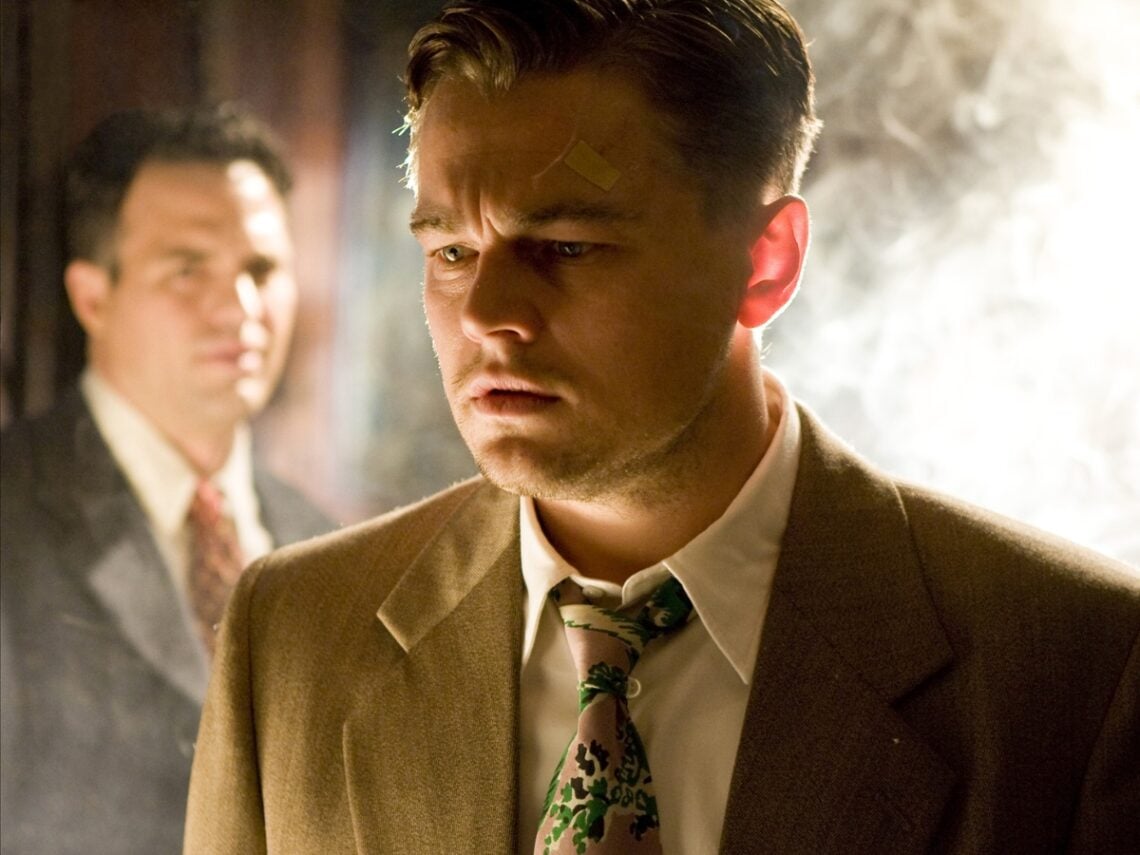
Martin Scorsese’s Shutter Island was a hit when it was released in 2010, netting nearly $300million at the box office. Set in the 1950s, the film stars Leonardo DiCaprio as a Deputy US Marshal who visits a psychiatric hospital on a remote island to investigate the disappearance of one of its patients. It is much more surreal and atmospheric than most of Scorsese’s films, featuring a pervading sense of dark unease and mystery.
Although the film is technically based on the novel of the same name by Dennis Lehane, Scorsese drew significant inspiration from three classic film noirs. During a conversation with DiCaprio for Letterboxd, the director listed those films and explained why they fit so perfectly with the narrative he was trying to tell.
“There were three films,” he said, “And it was Laura, Out of the Past, and Crossfire.”
1944’s Laura is often held up alongside Double Indemnity as the perfect encapsulation of the film noir genre. Directed by Otto Preminger, it stars Dana Andrews as a world-weary detective investigating the murder of a young woman named Laura Hunt (Gene Tierney). He discovers that everyone around her was infatuated with her and soon finds that he himself is falling under her spell simply by gazing at an oil portrait of her.
The key to the film for Scorsese was “the nature of the detective”. Andrews’ character is down and out, injured, emotionally detached, and hard-drinking, only to find himself falling in love with a dead woman. Comparing that weary resignation that turns into vulnerability to DiCaprio’s character, the director said, “It reminds me very much of Shutter,” adding hastily, “I mean, Laura’s a masterpiece, I’m talking about where we were aiming.” He loved the film so much that he even insisted DiCaprio’s character wear the same type of fedora that Andrews wore in the movie.
Scorsese didn’t elaborate on how he drew inspiration from 1947’s Out of the Past. Directed by Jacques Tourneur, it is another landmark entry into the film noir canon. It stars Robert Mitchum, a former private investigator who started over in a rural mountain. His life is idyllic at the beginning, but he soon discovers that he can’t escape his past. Jane Greer plays a classic femme fatale, an unscrupulous murderer who can turn any man into an accomplice.
Like Shutter Island, the film centres on the impossibility of outrunning the past. Like DiCaprio’s character, Mitchum believes he’s in control right up until he realises he’s fallen right into the trap that has been laid for him. The relentless nihilism of Out of the Past must also have influenced Scorsese, who created an ending that was almost (though not quite) as bleak as one Tourneur opted for.
Of the three films the director mentioned, 1947’s Crossfire has the most obvious narrative parallels. Directed by Edward Dmytryk, it centres on the antisemitic murder of a Jewish man and the ensuing investigation. As Scorsese pointed out, one of the characters is framed for the killing and begins to wonder if he might actually be guilty. During one scene, the actor Paul Kelly performs a constant bait and switch, giving him information only to reveal immediately that it was false.
“There’s an imbalance, like in Shutter Island,” Scorsese explained. “He doesn’t know where the truth is or what he’s looking at.” It appears that DiCaprio’s character is going to the island to investigate the disappearance of a patient, but it becomes apparent that he is being manipulated on a grand scale as if he were in a play, and only he was unaware that it was all a performance.
As an auteur, Scorsese makes movies that bear his unique style, but throughout his career, he has always paid credit where credit is due. In the case of Shutter Island, he was going for pure noir rather than the neo-noir that the film is often categorised as, and it’s easy to see how the films he highlighted were translated into the bleak, unsettling story he created.
