


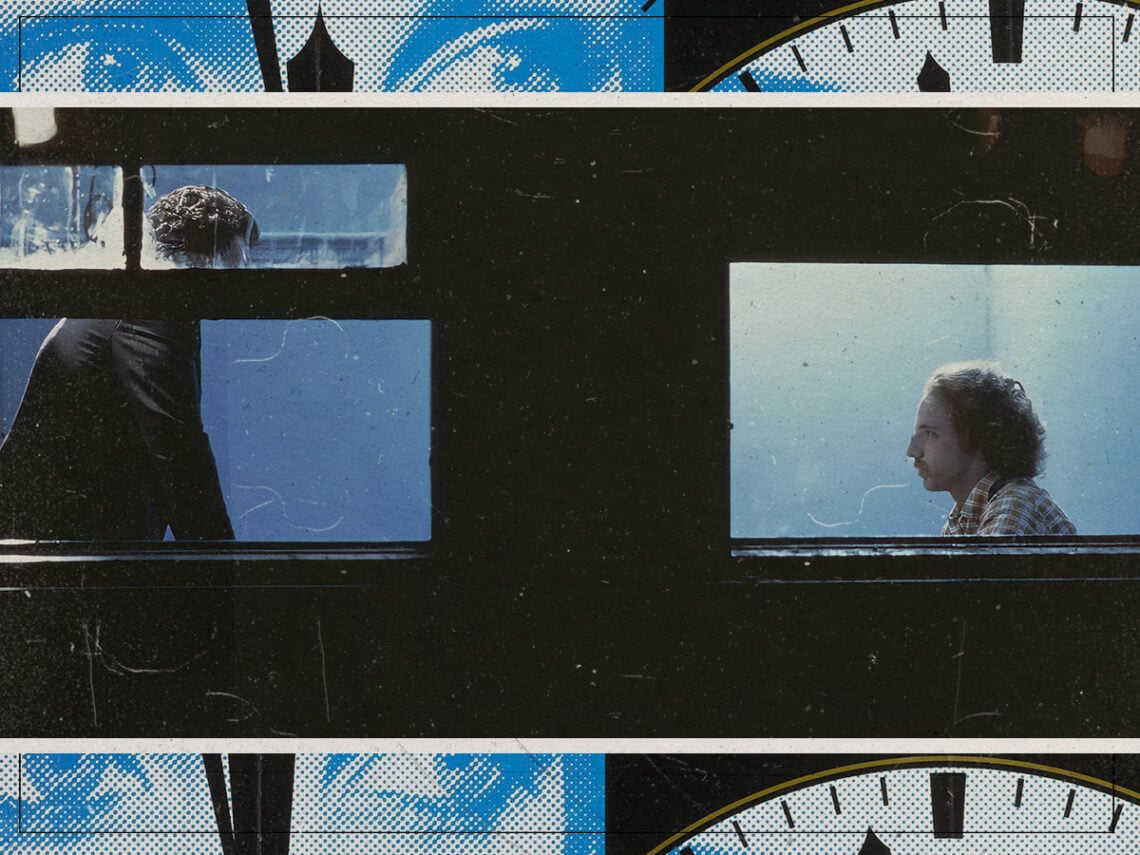
‘The Thin Blue Line’: The true crime documentary that changed the world

There’s a deep power in the medium of documentary film in that it can bring light to facets of our societal life that might not have been initially considered. As far as impactful documentaries go, few have proven to be as significant as Errol Morris’ 1988 film The Thin Blue Line, a work of cinema that not only pushed the boundaries of documentary film but played a vital role in examining the criminal justice system.
Through a process of careful investigation and weaving a narrative using ground-breaking techniques, Morris exposed the inherent flaw in the American legal system, which led to the exoneration of its subject, Randall Dale Adams, who had been convicted of the murder of a Dallas police officer in 1976.
Morris had become interested in Adams’ case when researching Dr James Grigson, AKA Dr Death, a psychiatrist known for testifying with a guarantee whether a person on trial would likely commit the offence again. The filmmaker proceeded to examine the evidence surrounding Adams’ conviction, and he found a series of inconsistencies, lies and contradictions in the testimonies of many of the trial’s witnesses.
By combining interviews, re-enactments and visual storytelling methods, Morris set about putting together an alternate narrative that questions the reality of Adams’ guilt. Not only did Morris come to a different conclusion, but he actually obtained an admission of Adams’ innocence from the case’s original suspect, David Harris, revealing the biases and systemic failures of American law, particularly the facets of eyewitness accounts, which are proven to be liable to manipulation.
The Thin Blue Line featured dramatic re-enactments, which were the subject of controversy, with some figures in the film industry claiming that they had no place in the documentary medium. There’s a blurring of the lines between fiction and reality, which brought criticism from some corners of the cinema landscape, although the film largely gave rise to the modern true crime genre as we know it today.
Besides that criticism, though, the fact remains that Morris’ film showed how documentaries can be used as a vehicle for social change. By revealing the injustice that had taken place in the case of Randall Dale Adams, Morris demonstrated the power that documentaries possess in holding governmental institutions accountable for their mistakes.
Most importantly, perhaps, is that The Thin Blue Line incited genuine change in the need for criminal justice reform. The new verdict on Adams’ case prompted several other re-evaluations of cases where the eyewitness accounts did not quite add up in a sound and logical manner. Adams was released from prison after serving 12 years on death row, which largely came about following the public outcry following the film’s release.
Morris’ legendary documentary serves as a monolithic achievement in the medium of documentary film. With a meticulous process of investigation and a ground-breaking method of narrative progression, the film wove together art and truth in a way that any other work of its kind could only ever aspire to, and it remains one of the most important and world-changing films, not only of the 20th century but perhaps of all-time.
