


“I was completely wrong”: The story of Emmylou Harris’ most touching duet

The country canon is full of people giving each other legs up. Johnny Cash helped launch the career of Dolly Parton, just as Gram Parsons shot Emmylou Harris into the spotlight.
While Parton’s first impression of Cash was one of a certain sexual awakening, the experience that her fellow country counterpart had with her own mentor was far different. The first thing worth saying was that Harris was already a fledgling musician, trying to make her way in the Greenwich Village scene, when she first came into Parsons’ orbit.
When the former Byrds musician had put out the feelers for a singer to help him on his new solo career, and Harris’ name emerged from the fray, he was immediately struck by the sound of her voice and sent her on a plane to LA so she could work with him in the studio. While there, she recorded the backing vocals for his album GP.
While the record itself struggled to find its footing, Harris was enamoured by the experience of working with someone she viewed as an idol, and seemingly the ultimate consummate professional. But things were much darker behind the scenes. Only just over a year later, Parsons would be dead from an alcohol and drug overdose, thus bringing the glare of his hidden addictions into full view.
It shocked the world, as the former Flying Burrito Brother had lost his life in one of the most tragic circumstances possible, but it also left Harris grappling to make sense of the memory of the man she thought she once knew. “I think I was pretty naive, and I didn’t see that side of Gram,” she later confessed. “I must’ve known about it, but I will say that when we were working together, he was on. He was so focused.”
Left behind was the saddening truth that Harris was so far off the mark in her perceptions. “So I guess I thought whatever trouble he might have been getting into, he was now on the right road,” she added. “And I was completely wrong about that.” The fact that the image she had of the start of her career ended up being a ruse to what actually transpired must have been difficult to process, but she never let it stop her.
Instead, Harris touchingly committed herself to honouring Parsons in whatever way she could, appearing on his posthumous album Grievous Angel and never forgetting the legacy of the man who gave her a chance when so few others did. She still owes everything to him, even when their time together was devastatingly short.
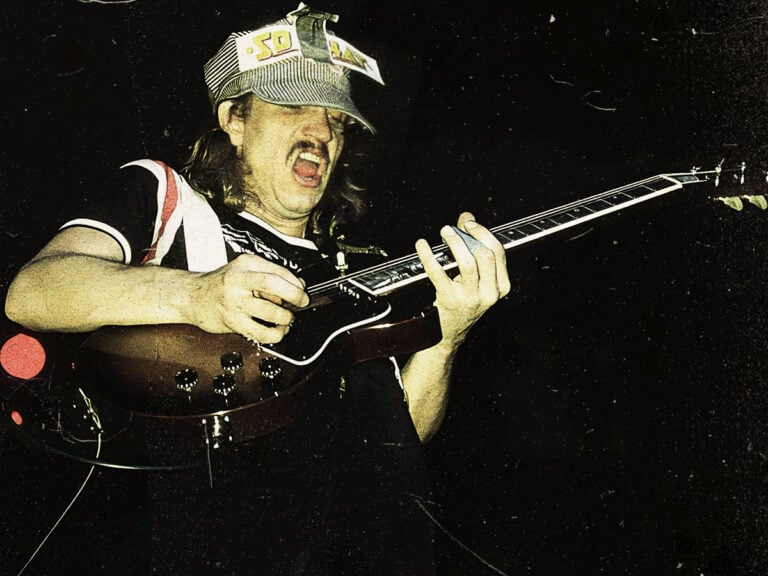

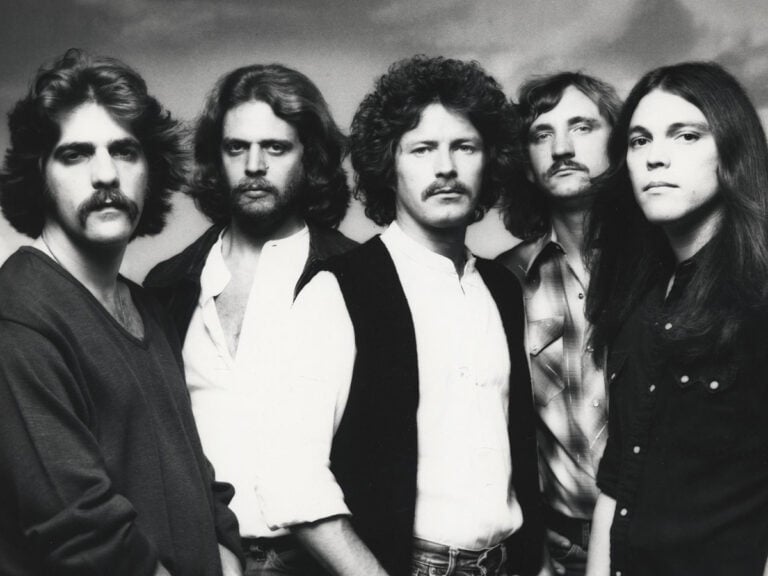
The music industry is littered with such similarly tragic cases, but the fact that Harris did not fade into the background in the face of Parsons’ death was testament to the gift he left behind in showcasing her to the world. As she simply put it, “Once I started singing country music with Gram, there was no turning back for me,” and so she had no other choice but to keep moving on.
In many ways, it was just as well that she did, because the world would not have been granted one of its most diverse country legends without it. Parsons has inspired so many artists from every corner of the music spectrum, but in terms of Harris, it’s always the case that all roads lead back to him.
