


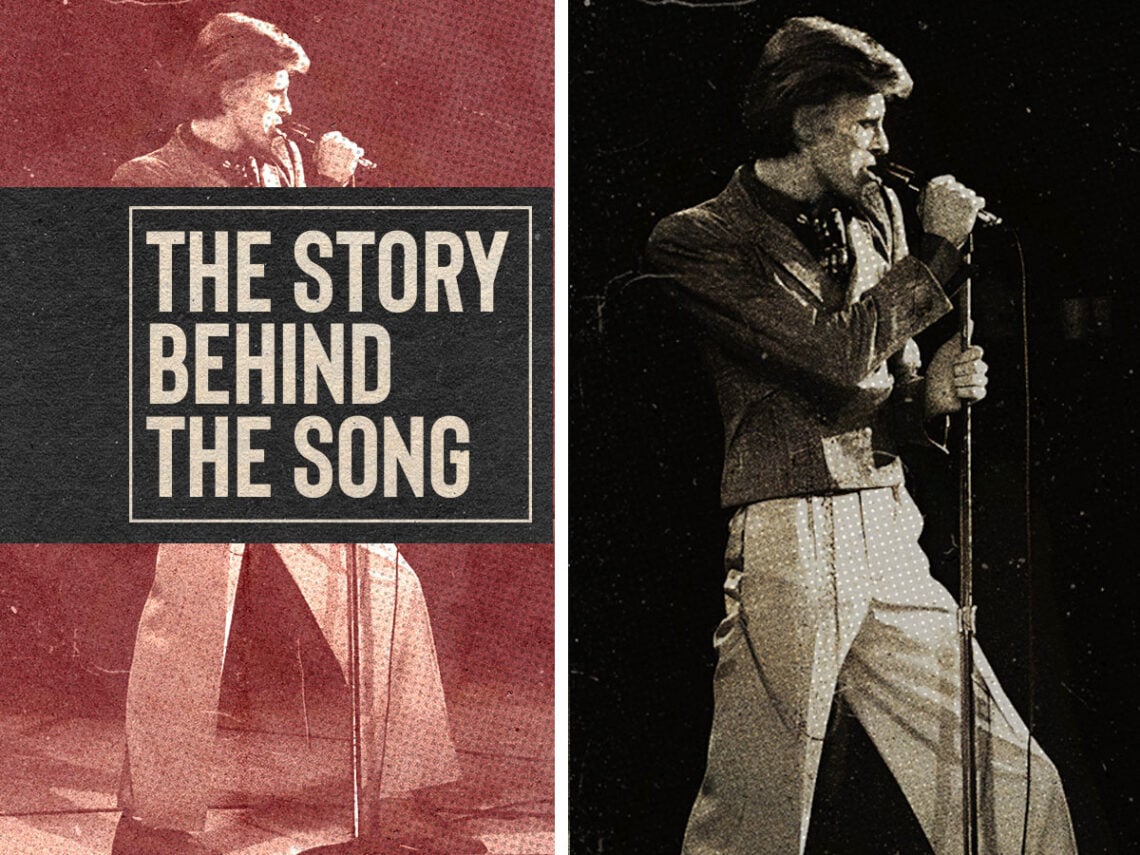
The Story Behind The Song: ‘Rebel Rebel’ defines the dangerous David Bowie

By 1975, David Bowie could have written glam rock bangers in his sleep if he wanted to. After becoming a glorified one-hit wonder in the late ‘60s with the success of ‘Space Oddity’, ‘The Starman’ reimagined himself as one of the most charismatic frontmen of the glam era, making different personas like Ziggy Stardust and Aladdin Sane to hide behind as he delivered albums to make the world salivate. While Bowie could have easily ridden the wave of both personas for the rest of his days, it was time to transition to yet another glam rock chameleon.
When putting together the album Diamond Dogs, Bowie was making his glam rock version of a dystopian future, originally wanting to create a concept album centred around the book 1984. Once those plans fell through, though, Bowie still pressed on with his warped version of the future, with the title track being an ode to the hangers-on that populated the nightclubs Bowie would frequent every night.
Though the makeup was laid on pretty thick, Bowie hadn’t forgotten the rockers when it came to the song ‘Rebel Rebel’. Sporting a blues guitar line, Bowie was inspired to turn in a new persona, creating ‘Captain Jack’ for all of his TV appearances where he played the song. Though there have been many different accounts about who Bowie is referring to, some of his interview explanations have given fans clues.
During his performance of the song on VH1 Storytellers, Bowie talked about meeting Marc Bolan for the first time before performing the song. Bowie had met the young T Rex frontman in the late ‘60s when he was still playing folksy music. Bowie and Bolan both seemed on parallel tracks at the time as they began working out different approaches to hard rock music from their folksy roots.
The T Rex influence is also apparent in the guitar riff, with just the right combination of glam rock excess and bluesy flair to draw someone’s ear in. Bowie remembered coming up with the riff as something that he could use to show off, telling Performing Songwriter, “When I was high school, that was the riff by which all of us young guitarists would prove ourselves in the local music store. It’s a real air guitar thing, isn’t it?”.
Though Bowie maintains the innocent origins behind the tune, guitarist Alan Parker knew that the guitar line had a few nasty implications. Since lead guitarist Mark Ronson had just left Bowie’s backing band, Parker thought that the song was a deliberate way for Bowie to get back at him, recalling to Uncut, “He said, ‘I’ve got this list, and it’s a bit Rolling Stonesy – I just want to piss Mick off a bit.’ I spent about three-quarters of an hour to an hour with him working on the guitar riff – he had it almost there, but not quite”.
After setting it in stone, ‘Rebel Rebel’ became one of the biggest anthems of the glam rock movement, making fans embrace the glam aesthetic by not making them pay attention to their parents, wondering whether they were boys or girls. Although glam rock had hit its peak on this song, it wasn’t a phase that Bowie wanted to stay in for too long.
As Bowie shook off the shackles of the glam scene, his next album would be a bold new reinvention, moving towards the sounds of Philadelphia soul on Young Americans before making yet another pivot on Station to Station into kraut rock. Even though Bowie changed styles more frequently than his contemporaries, ‘Rebel Rebel’ always stood its ground in the setlist.
With nearly 50 years removed from its origins, ‘Rebel Rebel’ has taken on a mantle far greater than just a classic from the glam generation. In a world where rock and roll loves to keep the most tried and true bands at the top, some of the biggest rock stars in the world should take Bowie’s call to embrace their unique features to heart.
