


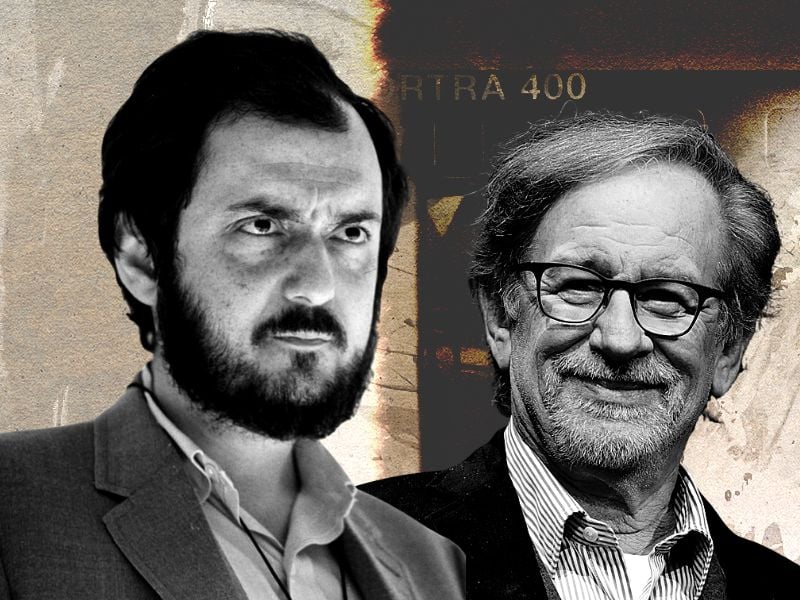
The Steven Spielberg film that was dedicated to Stanley Kubrick

In the expansive canon of Steven Spielberg‘s directorial accomplishments, one film stands as an emotional testament to an enduring friendship and a shared artistic vision. An epic 2001 science fiction drama proved to be not only a stunning example of Spielberg’s cinematic prowess but also served as a homage to his late friend and fellow filmmaker: Stanley Kubrick.
The relationship between Spielberg and Kubrick was one of mutual admiration. Spielberg revered Kubrick as “the best filmmaker in history”, while Kubrick recognised Spielberg’s knack for creating films that resonated with audiences worldwide. This bond paved the way for the collaborative spirit that eventually brought A.I. Artificial Intelligence to fruition – a project Kubrick had been developing since the early 1970s.
Adapted from Brian Aldiss’s short story Super-Toys Last All Summer Long, A.I. Artificial Intelligence was a project that Kubrick had been contemplating for years, captivated by the tale’s exploration of artificial intelligence and human emotion. As demonstrated by HAL in 1969’s 2001: A Space Odyssey, the concept of computer sentience wasn’t unfamiliar to Kubrick and was something he was keen on diving into further. However, the technology to realise his ambitious vision didn’t exist then, and the project languished in pre-production limbo.
In the late 1990s, Kubrick approached Spielberg with the idea of directing the film, feeling that Spielberg’s sensibilities better suited the material’s emotive qualities. Despite initially declining the offer, Spielberg was deeply involved in the conceptualisation and writing process of the film, thus strengthening the collaborative dynamic between the two filmmakers.
Tragically, Kubrick’s sudden death in 1999 abruptly halted the project. Spielberg, however, was determined to realise their shared vision and keep it from fizzling out forever. Stepping into the director’s chair, he sought to blend his distinctive wholesome storytelling style with Kubrick’s more cerebral, conceptual approach. By marrying both of their sensibilities together, he created a bold sci-fi film that appealed to a huge mainstream audience.
AI tells the story of a highly advanced robotic boy named David, the first artificial child programmed to love. When David’s human ‘parents’ abandon him, he embarks on a quest to become a real boy, inspired by the tale of Pinocchio, to regain their love. Posing provocative questions about the nature of love and whether it can exist outside of the biological realm, the film simultaneously offered a family-friendly adventure and a millennium-spanning allegory about the nature of consciousness.
It combined Spielberg’s emotional depth with Kubrick’s intellectual provocativeness. To preserve the legacy of a filmmaker whose influence transcended his lifetime, Spielberg made sure to formally dedicate the final film to his friend, collaborator and mentor, and the final film is a testament to a unique friendship and an enduring homage to Kubrick’s monumental impact on the world of cinema. With Spielberg’s upcoming revival of Kubrick’s Napoleon project in the form of a series, it seems to be a collaboration that’s still going.
