


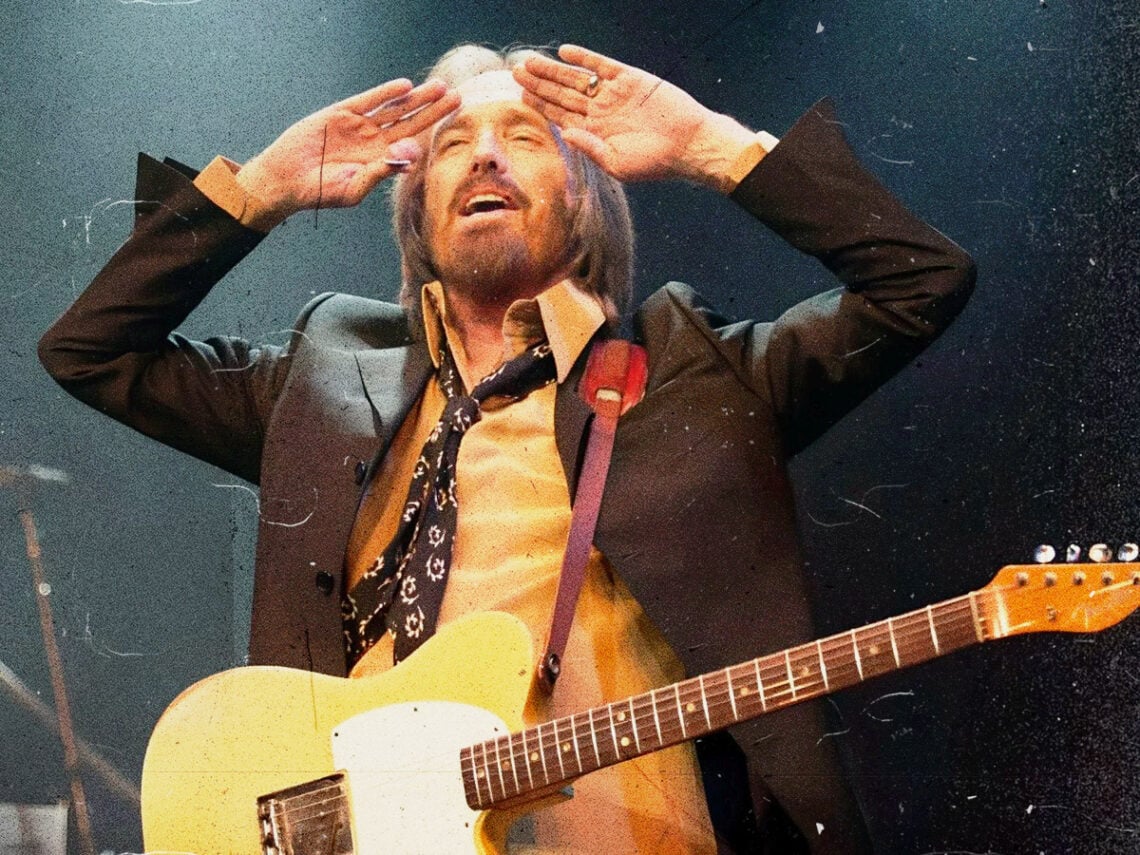
The songs that Tom Petty called “anthems for underdogs”

Blending defiance with the insecure energy of the underdog is a hard task, but if there was anyone to do just that, it was the great Tom Petty. Whether it was with Mudcrutch or The Heartbreakers, Petty managed to capture the spirit of rock and roll with the relatable changeability of the perpetual underdog.
Petty’s stellar third album, 1979’s Damn The Torpedoes, did this masterfully on tracks ‘Even The Losers’ and ‘Refugee’. In the year following the release of Damn the Torpedoes, after the album had become a smash hit, Petty explained his motivation for penning the songs during an interview with NME.
“I wanted to write anthems for underdogs, songs like ‘Even The Losers’ and ‘Refugee’,” he declared. “The theme of the album wasn’t self-conscious, but when I put it together afterward I could see it was about standing up for your rights, the ones that everyone has – which can’t be fucked with or taken away.”
As the sole writer for ‘Refugee’, Petty used his frustration with backdoor deals in the music industry to tell his own story of being a triumphant underdog when his rights were threatened. His thorny situation with MCA Records inspired much of the fiery mood on Damn The Torpedoes, given that legal issues nearly thwarted the entire album.
After the band’s record company, Shelter, was sold to MCA, they refused to move. This quickly led to an onslaught of lawsuits, which Petty suppressed with the genius move of declaring bankruptcy. A deal was eventually reached, however, and Petty joined MCA Backstreet, but his show of defiance left a lasting imprint on the album. “I was so angry with the whole system that I think that had a lot to do with the tone of the Damn the Torpedoes album,” he explained.
“I was in this defiant mood,” he added. “I wasn’t so conscious of it then, but I can look back and see what was happening. I find that’s true a lot. It takes some time usually before you fully understand what’s going on in a song, or maybe what led up to it.”
However, not all of the influences on the tone of the album were that immediately obvious. Across all of Petty’s work, from ‘Refugee’ to the likes of ‘I Won’t Back Down‘, a consistent theme is standing up for yourself, which Petty picked up from his no-nonsense father. As he reflected in the Conversations with Tom Petty book, he learned the significance of advocating for yourself when faced with the stark differences between him and his father.
“My dad was a hard man, hard to be around,” he explained. “He was really hard on me. He wanted me to be a lot more macho than I was. I was this real sort of tender, emotional kid. More inclined to the arts than shooting something. I didn’t want to be trapped in a boat with him all day.”
The various underdog experiences that informed the album made it universally cherished because it spoke to the universal experience of being an outcast in a way only Petty could.
