


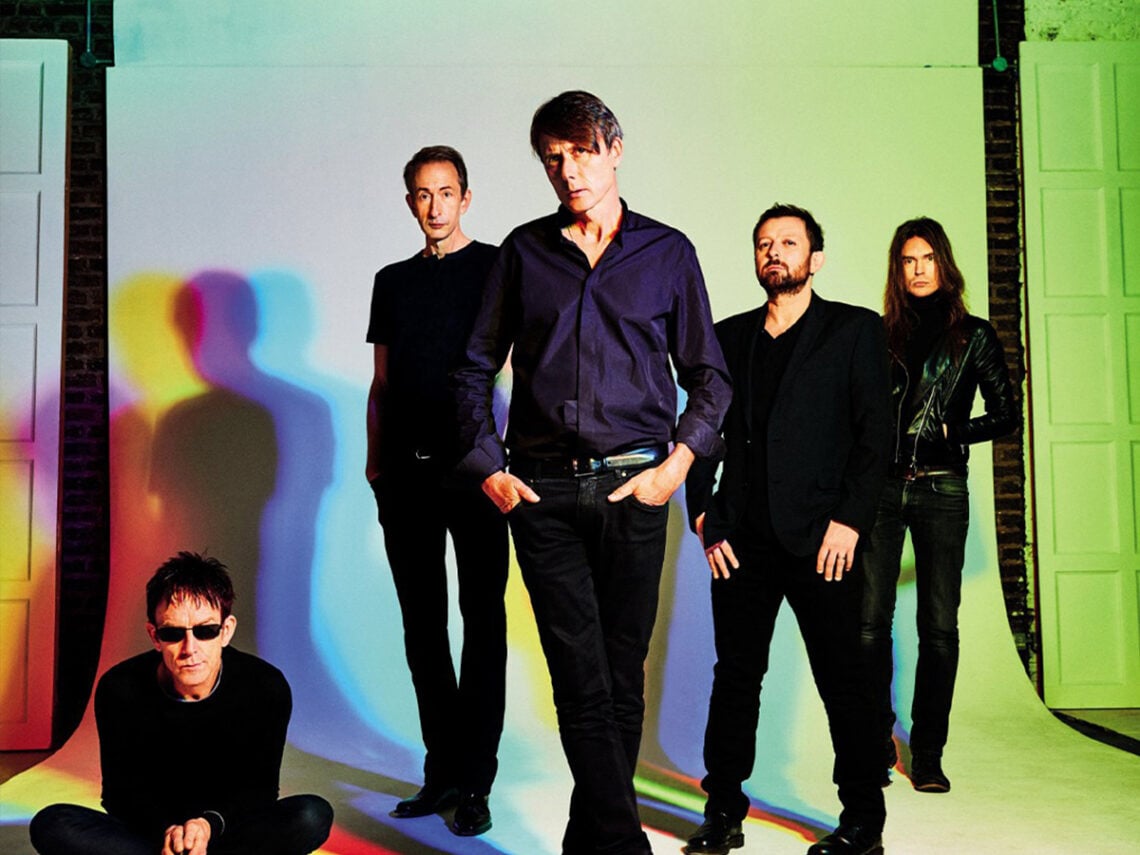
The song Suede wish they had written: “So perfect”

It takes an artist to recognise the work of an artist singing about an artist, and that’s exactly what Suede’s lead singer, Brett Anderson, had to say about “the artist’s loving hand” on Don McLean’s most loved song, a pioneer in music about the untold threat of mental illness.
Breaking taboos and owning so melancholic a melody as the one in ‘Vincent’, the ‘American Troubadour’ of folk is the one artist whose work Anderson envied.
“The melody is beautiful, and the lyrics are just so perfect: ‘The silver thorn of bloody rose, Lie crushed and broken on the virgin snow’. It gives me a shiver just thinking about it,” Suede’s founding member told NME in 2014. The song he wishes he could have written is “so sad and beautiful and manages to find that bittersweet holy grail the songwriter is always looking for”.
Mastering the balance between plucking at a listener’s heartstrings without plunging them into an unforgiving despair is aided by a simple acoustic instrumentation, with McLean’s voice being accompanied by a stripped-back guitar and nothing more cinematic than that.
The lyrics are the song’s most prophetic effort, making no attempt to beat around the bush on the not-so-Starry Night life of Dutch post-impressionist artist Vincent Van Gogh. “And how you suffered for your sanity, And how you tried to set them free,” McLean sings, rousing tears in anyone from Suede to Snoop Dogg (probably, likely).
Akin to a lot of Suede’s music, McLean takes his listeners along for a story. The track, which was a UK number-one hit when released with his 1971 album American Pie, tells a story that not many artists were prepared to reference at the time.
In 2022, McLean told American Songwriter about the epoch ‘Vincent’ was conceived in, noting, “I was brought up in a day when absolutely nobody had therapy, and the only person who talked about therapy in the early ’60s was Woody Allen. There was a word people used: ‘analysand’,” and so he proceeded to paint the painter’s woes and depict a human being beyond his mythical tellings of ear mutilation and erratic behaviour.
Following his suicide, many believe the 19th-century artist to have had bipolar disorder, and its narration in music would have brought many to think about the possibility of mental illness as a normalised fact of their everyday lives. “I sat down with a print of [Van Gogh painting] Starry Night and wrote the lyrics out on a paper bag,” said McLean, as his simple song remains fondly remembered because of its humble simplicity.
The glam rock British band had a softer side than a lot of their lively post-punk endeavours, and their latest album Antidepressants has a lot to show of influences like McLean’s. The pure, touching lyrics struck a chord with many in and out of the music industry, and the poetic effects of their lyrics have stunned many beyond Anderson.
