


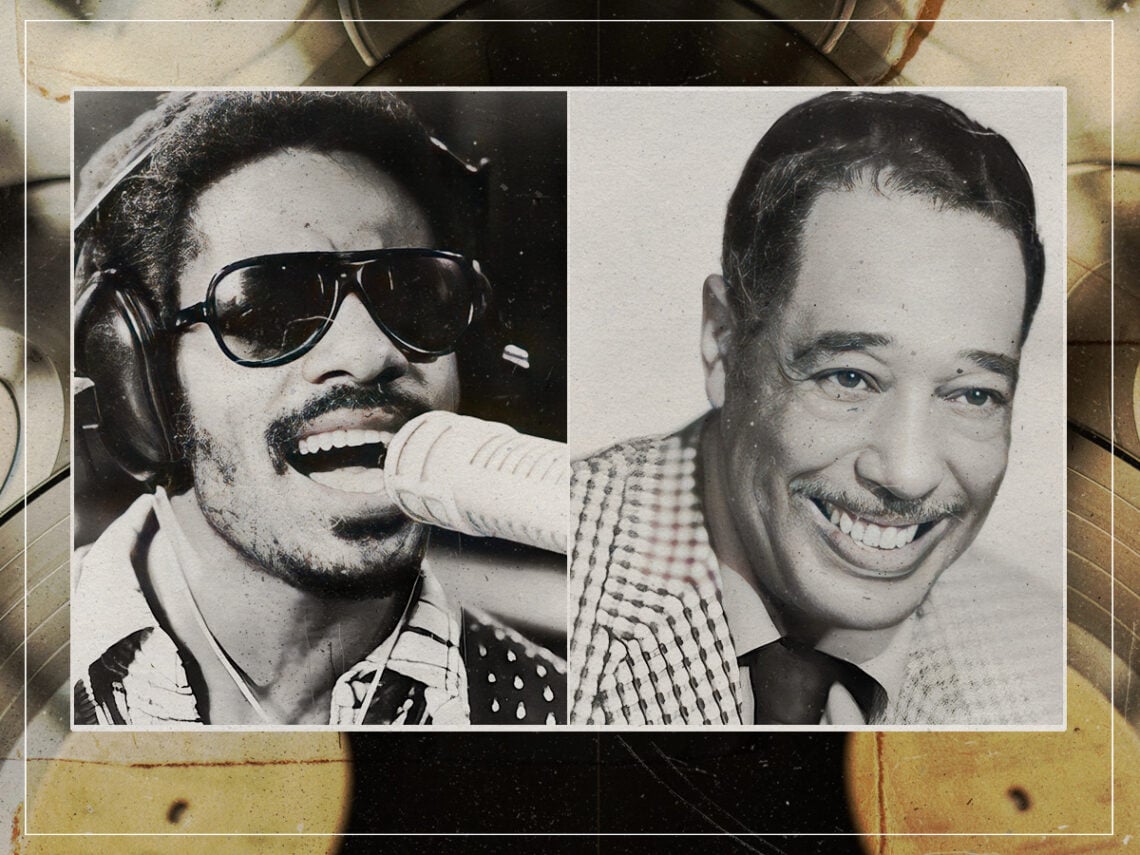
The song Stevie Wonder wrote about Duke Ellington

Every artist is inclined to pay homage to the music that influenced them as a young musician. No musician develops in isolation, and those who pick up an instrument often have a few artists who inspired them to transform their musical hobby into a lifelong passion. While Stevie Wonder frequently expressed what was in his own heart when he stepped up to the microphone, one of his most famous songs involved paying tribute to one of the greatest artists ever to touch a piano.
By the time Wonder was free from Motown, though, he was about to go on a hot streak of some of the most celebrated R&B records of all time. Starting with albums like Music of My Mind, Wonder would create songs that kept the listener’s attention without sacrificing any of his musical dreams, eventually turning later tracks like ‘You Are the Sunshine of My Life’ into the most sophisticated pop songs of all time.
Whereas Innervisions and Talking Book showed Wonder developing further as a solo artist, Songs in The Key of Life was when he had solidified himself as a musical juggernaut. Taking the basis of his sound and sprinkled in every genre he could get his hands on, nearly every track on the double record would become a classic on its own, from the foreboding sounds of ‘Pastime Paradise’ to the innocent sounds of Wonder playing with his daughter on ‘Isn’t She Lovely’.
Aside from the links to the traditional sounds of pop and soul, Wonder also had a healthy respect for the major players of the jazz world. Unlike the traditional blending of pop harmony, the distinct sounds of artists like Duke Ellington led Wonder to immortalise the great bandleader in the song ‘Sir Duke’.
Taking the elements of his favourite records, most of the song serves as a love letter to the music Wonder loved as a kid, complete with different jazz harmonies in the song’s chorus. Ellington isn’t the only one that Wonder calls out, either, namechecking Count Basie and Glenn Miller as the fellow titans, alongside the aching voice of Ella Fitzgerald.
Even though the song may have come off as cheesy in less capable hands, Wonder’s way of internalising the sounds of influences led to some of the most ingenious changes in pop music. When looking at the chorus, Wonder takes two chords that would sound from entirely different songs and turns them into musical perfection when putting his melody across it.
The song is also one of the few modern pop songs to feature a shout chorus in the mid-section. Although the chorus is set in stone from the minute that Wonder starts singing, the post-chorus features every instrument locking in on the horn line before going into the next verse, akin to what the jazz greats would do to close out their biggest sets.
While Wonder may have just been looking to make a song celebrating the geniuses of days gone by, ‘Sir Duke’ is a composition strong enough to stand alongside the jazz greats that came before it. Wonder may not have considered himself a jazz player throughout his career, but given his advanced knowledge of harmony, he could very well hold his own next to all of his influences today.
