


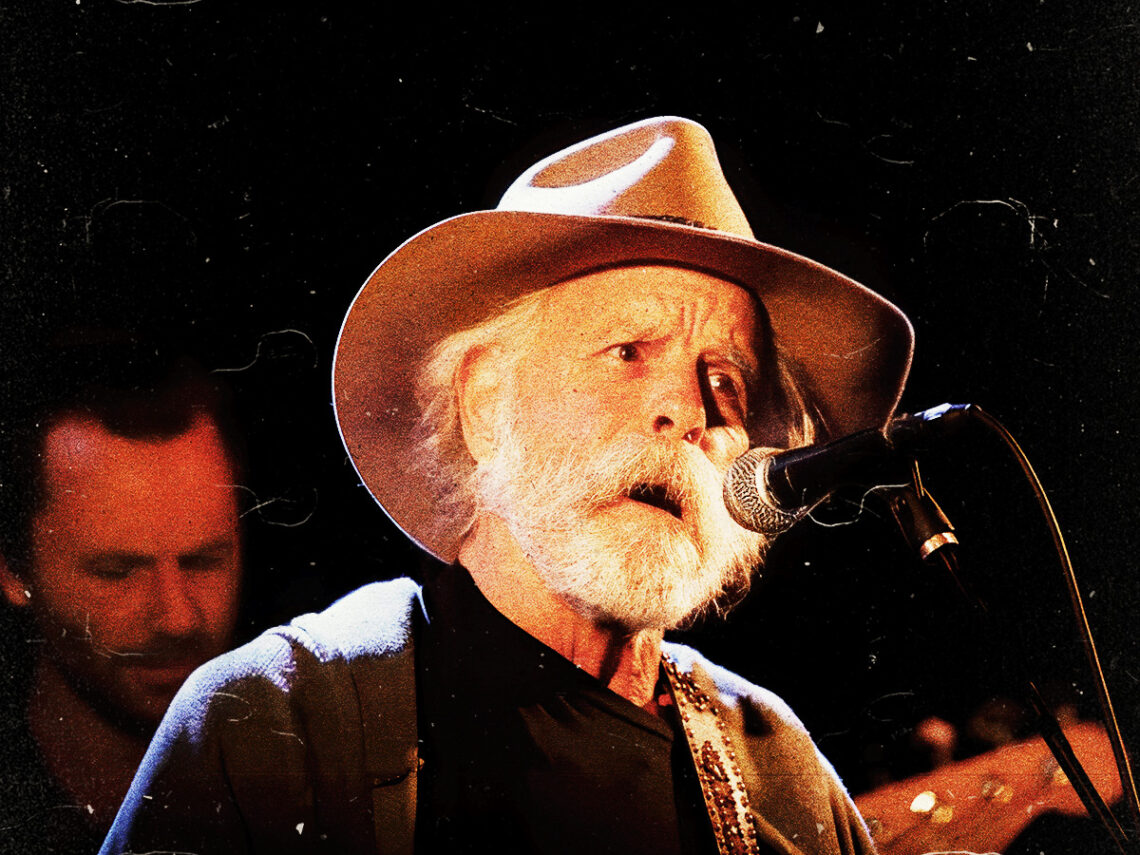
The song sequence Bob Weir called “instructional for me”

No songwriter can simply start writing masterpieces overnight. While it might take some less time than others to create a song out of nothing, it usually takes years of experience for a songwriter to go from mindless noodling in their studio to walking out with the crowned jewel of their discography. Even though Bob Weir may have been able to expand what the term ‘masterpiece’ could mean in a rock context, he admitted that one of classic rock’s forefathers served as his musical teacher.
Throughout his work with the Grateful Dead, though, Weir never catered to the same parameters other rock songs used. Whereas most people may have been looking to make songs centring around a catchy hook and getting everything wrapped up in three minutes, the best moments of the Dead’s career involved slowly stretching their muscles across long sections, usually involving elongated solos.
Although many may have claimed to be bored watching bands jam mindlessly for hours, the heart of the piece usually revolved around shuffling musical ideas. Rather than just jam on the same riff for however long they wanted, Weir often created different musical moments that couldn’t be replicated anywhere else, often playing off of Jerry Garcia’s guitar or adding different textures to make the mix sound full.
Before The Dead began working on their celebrated jams, The Beatles were going through their creative reinvention. Having been burned one too many times by their own creative disagreements, Abbey Road was when everyone put down their boxing gloves and started collaborating like a unit again, resulting in the most celebrated moments of their career.
Although songs like ‘Come Together’ and ‘Something’ stood up as revered pieces of their catalogue, the second half of the record was beyond anything a rock band had attempted. Sprawling across 16 minutes, the final side involves various songs weaving in and out of each other in a medley, all while changing keys and ending with Paul McCartney’s final thought for his audience: “The love you take is equal to the love you make”.
While John Lennon had said that most of the songs had nothing to do with each other, Weird was mesmerised by what he heard. As opposed to following any linear storyline throughout the piece, the guitarist was thinking about how he could use that kind of adventurous mindset in his own work.
Speaking to Rolling Stone later, Weir said that the song taught him what could be done with the rock format, saying, “The medley on the second side was enormously instructional for me. They put together something that flowed from song to song as one long piece that turned a bunch of corners. I remember wondering, ‘Wow, will I ever be able to do something like that?’. It’s something I’m still working on”.
Outside of the traditional jam band scene, it’s easy to see how this approach to songwriting made its mark on the progressive rock scene to come as well. Throughout the 1970s, the epics by bands like Yes or Genesis that took up entire sides of an album were practically the offspring of what The Beatles had already done. The Fab Four may not have been around for much longer after putting this medley together, but artists like Weir are carrying on their tradition of musical innovation.
