


“More connected emotionally”: The song Madonna felt captured her legacy

As much as we like to appreciate some of the more typically far-out pop acts like Chappell Roan, Lady Gaga, and Miley Cyrus today, there’s no denying just how much Madonna seeped into their bones, breaking new ground with a fearless composure with all knowledge about just how much she’d be scrutinised along the way, even by some of her equally as established female peers.
While there are many historical highlights that prove as such, one of the more obvious ones is undeniably Sex, released alongside the Erotica album. Now, aside from the fact that Sex, as the name suggests, was one of the more provocative things a pop artist could have done at the dawn of the 1990s, it also bravely signalled her new techno-leaning position with an obvious deviance, championing (and celebrating) sex and sexuality during a time still very much in the throes of a collective trauma when it came to the topic itself.
After all, despite coming out in 1992, Sex tapped into the kind of societal anxieties emanating from the tail-end of the 1980s and the “threat” of sexual liberation, sexual health, and anything misconstrued and tabooed by the HIV/AIDs epidemic. Unfortunately for Madonna, these “controversies” made Sex and Erotica too bold, or brash, a consensus which entirely overlooked the broader importance of the project’s messaging and the brilliance of the music itself.
As she explained in 1994 to Paul Du Noyer, the biggest disappointment during this time wasn’t anything other than “the fact that my Erotica album was overlooked because of the whole thing with the Sex book.”
She continued: “It just got lost in all that. I think there’s some brilliant songs on it, and people didn’t give it a chance. That disappointed me, but I’m not disappointed in the record itself.”
After this, she sought to go through a significant reinvention, the kind that would pull people back in without losing sight of everything she wanted to communicate with her audience. One of the first moves in this direction was ‘I’ll Remember’, a deliberate contrast to everything she did with Erotica, and a song that Madonna said captured everything she wanted to do in music. Most notably because she was at the helm when it came to the writing.
“I think most of the time when my records come out, people are so much distracted by so much fanfare and controversy that nobody pays attention to the music,” Madonna said in 1997. Adding, “I can’t tell you how painful the idea of singing ‘Like a Virgin’ or ‘Material Girl’ is to me now. I didn’t write either of those songs, and wasn’t digging very deep then. I also feel more connected emotionally to the music I’m writing now, so it’s more of a pleasure to do it.”
While it’s interesting how iconic or popular songs like ‘Like a Virgin’ or ‘Material Girl’ remain, even today, it’s even more interesting to see how much they seemingly haunted Madonna long before even the release of Erotica, albeit for similar reasons. Though seen as revolutionary to the many of us who see Madonna as the champion of sexual liberation and pushing those kinds of boundaries in music, songs like ‘I’ll Remember’ saw her exercising more creative control, even if they shunned the “controversy” in favour of something a little more sensible, perhaps.
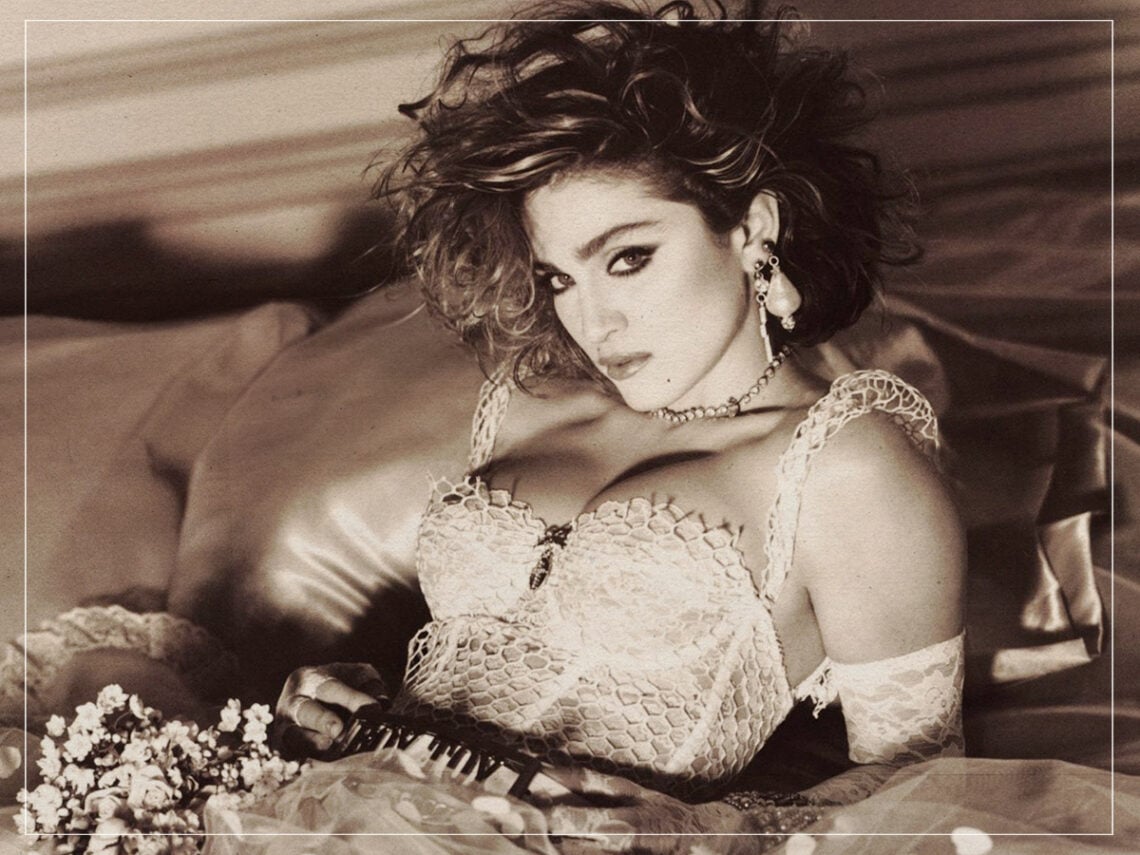
Still, no matter Madonna’s tensions towards those works, it doesn’t distract from how important they became, especially to the eras in which they were born. Like A Virgin, especially, was the difference between a burgeoning singer and an innovative artist, even if the songs weren’t all written by her. This is where the modern paradigm for far-out pop acts took a turn, pushing a different kind of bravery that wasn’t just all about image for image’s sake.
