


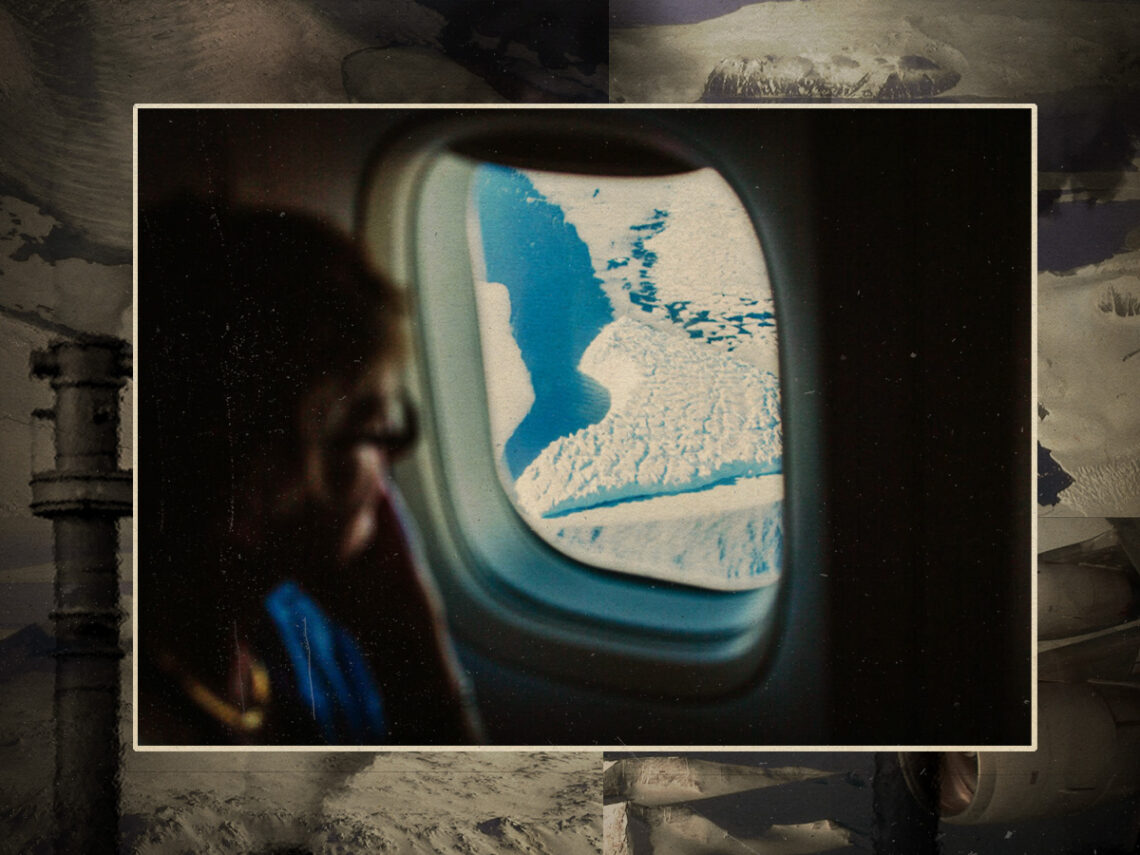
The selfish Antarctica viewing trips that make a mockery of sustainable travel

Sustainability is a keyword in tourism these days, with ethical travel both an attractive proposition for tourists but also an essential way to see the world without contributing to its decline through climate change.
It’s not our job to police how people spend their holidays, but there’s a sadness to seeing one of your friends post their Southeast Asia travel pictures on Instagram, only to see them posing with a drugged-up tiger that’s chained on a short leash to the floor. Then you have the trophy hunters, the rich, entitled tourists who think it’s impossible to vacation without shooting a big cat dead on some African prairie, and posing with it like a prize akin to bagging the World Cup final.
To add another group to the list, today we’re talking about the people who take sightseeing flights of Antarctica, without a hint of self-awareness or irony. It’s hard to believe, but there are some people who are so oblivious to the climate crisis and the impact of carbon emissions that they pay thousands of pounds for a seat on a flight to go and watch the ice caps melt in real time.
These Antarctica-in-a-day experiences take off from a variety of different major Australian cities, the nearest landmass to the continent, including Melbourne, Sydney, Brisbane and Perth and then fly, without stopping or landing, to Antarctica, before returning them to back to the city.
For your thousands of pounds, you get a seat on a Qantas Boeing 787-9 Dreamliner, but you’ll have to switch halfway through, so everyone gets the view from each side. You get a full in-flight service including meals and drinks, and commentary from an expert. It’s a 12 to 14-hour flight, of which three to four hours is spent above Antarctic territory, and then you have the big event, which is the beautiful aerial views from the cabin windows, allowing you to see the continent that you’re helping to destroy with your selfish travel choices.
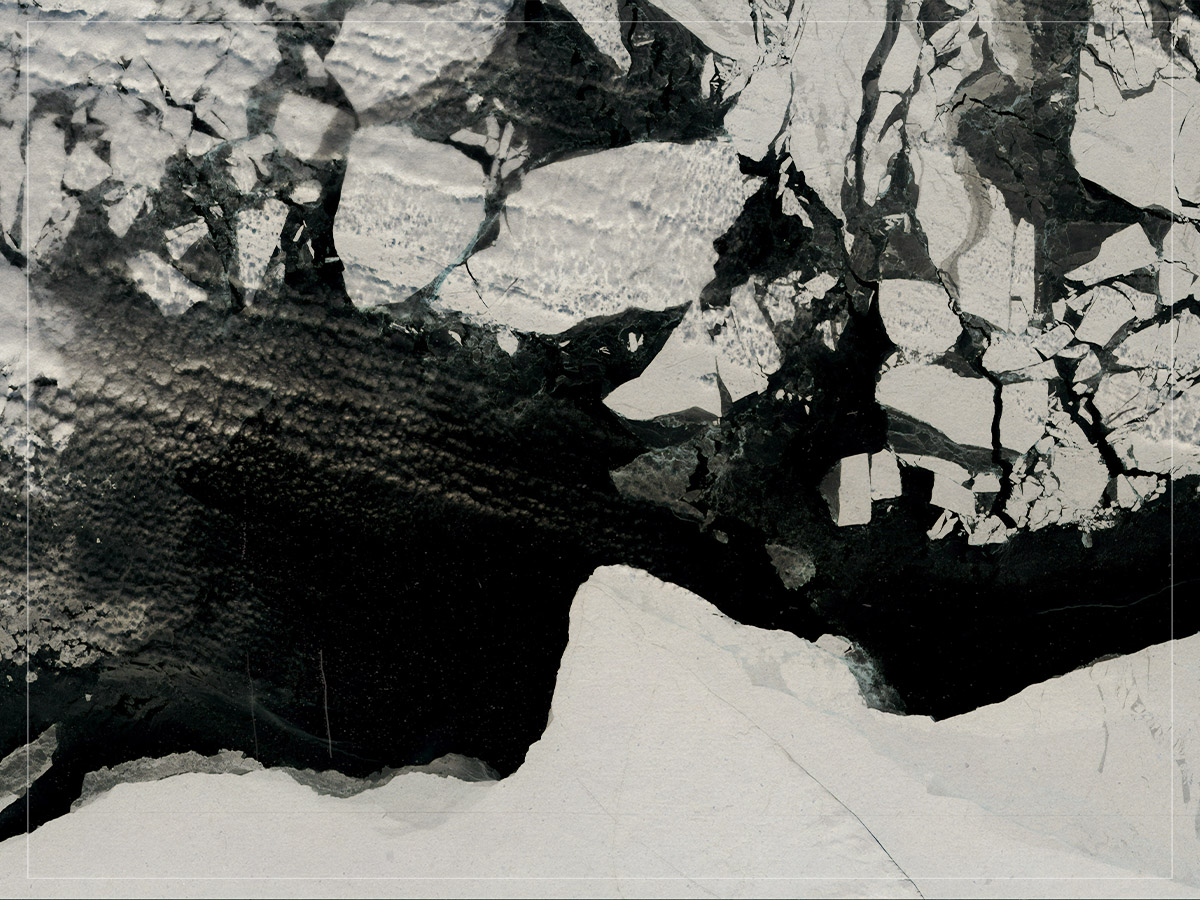
This isn’t a new invention, with the first trips beginning in the 1970s, before a decade-long break following an Air New Zealand crash into Mount Erebus in 1979. After they restarted, they’ve grown from a niche novelty into a legitimate business, wherein private tourism operators partner up with major airlines to offer a view of the shrinking continent.
It can’t be denied that these trips are more accessible, safer and easier than weeks-long voyages to the continent, offering exclusivity via a chance to see something that not many other humans in history have. It’s also impossible to deny that seeing the untouched ice sheets from above would be a striking and emotional experience, but the real question is why you’d want to do something that has a direct impact on destroying what you’re witnessing.
These tourists are one of two things: they are either incredibly naïve and haven’t read a newspaper or watched the news in the past 20 years, or they want to see the devastation of climate change first-hand, as if they were watching Lionel Messi at the Nou Camp or Michael Jordan at the United Centre.
Sure, the operators will be the first to point towards some of the attempts they make to offset carbon emissions, but Antarctica is one fragile ecosystem and the emissions, even with planes so high above land level, have been proven to contribute to changes in the environment.
Ultimately, you can choose to travel and explore how you want, but much like visiting a holy site or a different culture, it’s important to have an understanding of how your actions can impact that environment, and while we are blessed to live in an era in which every continent is just a short flight away, it’s our responsibility to treasure that and ensure that future generations can experience it too.
