


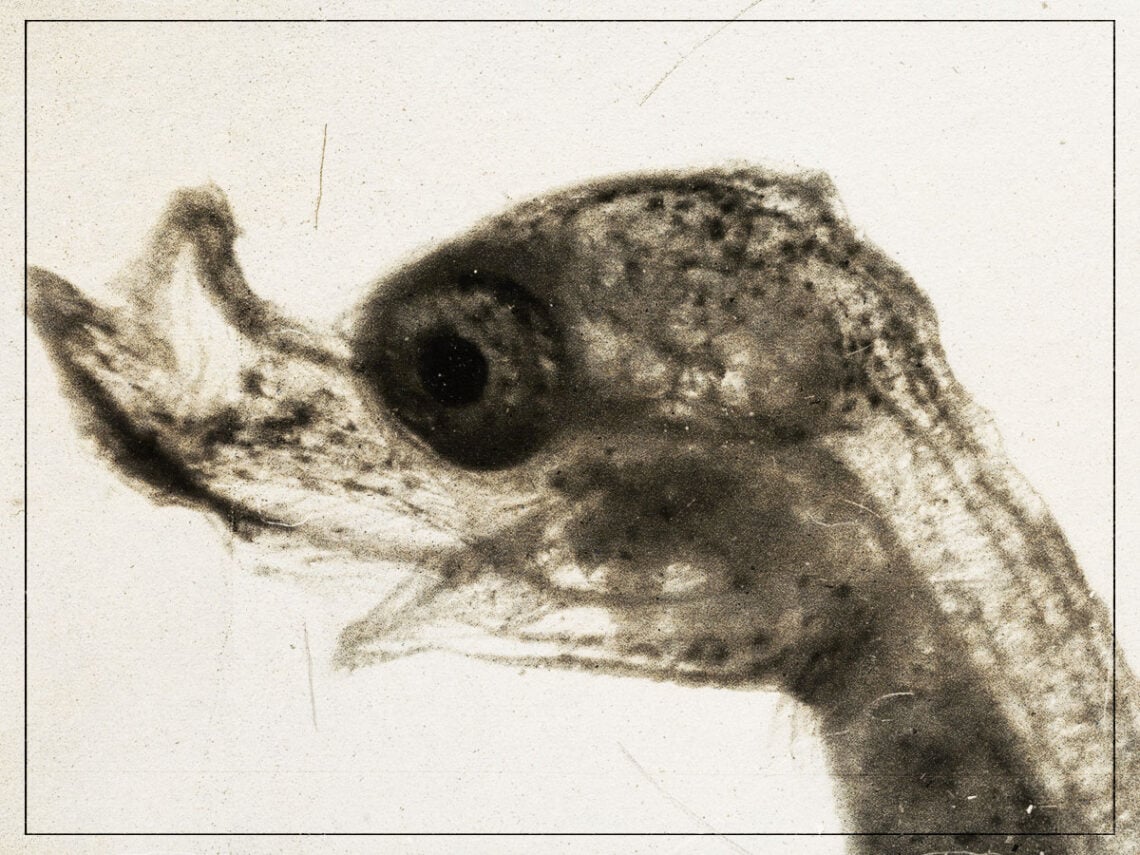
‘The Sea Horse’: Jean Painlevé’s remarkable images

When we think of the representation of animals in cinema, our minds are immediately drawn to the anthropomorphic visions popularised by Disney. While those uniquely cinematic fantasies definitely have an air of magic to them, there are other extraordinary films about the lives of animals that predate the animated works we are familiar with. Within this niche field, one pioneer whose legacy is simply inescapable is Jean Painlevé.
Known for his incredible portraits of underwater ecosystems, Painlevé developed a lifelong interest in biology during his academic pursuits, which shaped his cinematic works to a great extent. Like a documentarian with an undying curiosity for the unknown, the French auteur captured fascinating footage of various animals, and it is these artistic projects that have become the defining elements of his filmography.
One of the greatest examples is his 1927 gem, The Octopus, a surreal study of the strange animal and its behavioural eccentricities. Despite being routinely mentioned in the same breath as other primary figures of the surrealist movement, Painelevé’s art is a more interesting case because it exists outside the formal domains of surrealism. It is the director’s unusual gaze that transforms images from our planet into segments that resemble extraterrestrial vignettes.
The Sea Horse, Painlevé’s 1934 film, demonstrates this highly complex phenomenon through its depiction of the titular animal. Almost incorporating sci-fi genre frameworks, the bizarre creatures on screen appear to be beyond our limited understanding of what is “normal”. Swimming vertically through water, reversing traditional gender roles and releasing babies like dormant spores, the sea horse is an anomaly whose majesty is perfectly translated by Painlevé.
Oscillating between the erotic dance of mating and the horror of clinical dissection, The Sea Horse easily transcends the animal documentaries that are produced by nature channels because its subtext is in conversation with the human condition. By looking closely at the infinitely varied forms of life that co-exist on our planet, Painlevé tried to understand more about who we are and what we are. Almost a century later, those questions still haunt us.
Even in a world that is inundated with endless images, modern audiences cannot help but be awed by the picture of a rapidly beating heart inside the body of a translucent baby sea horse. Cinema is a revelatory medium, and Painlevé is undoubtedly among its greatest magicians, always retroactively influencing the ways in which his successors have tried to make sense of the chaos that surrounds us.
Watch the film below.
