


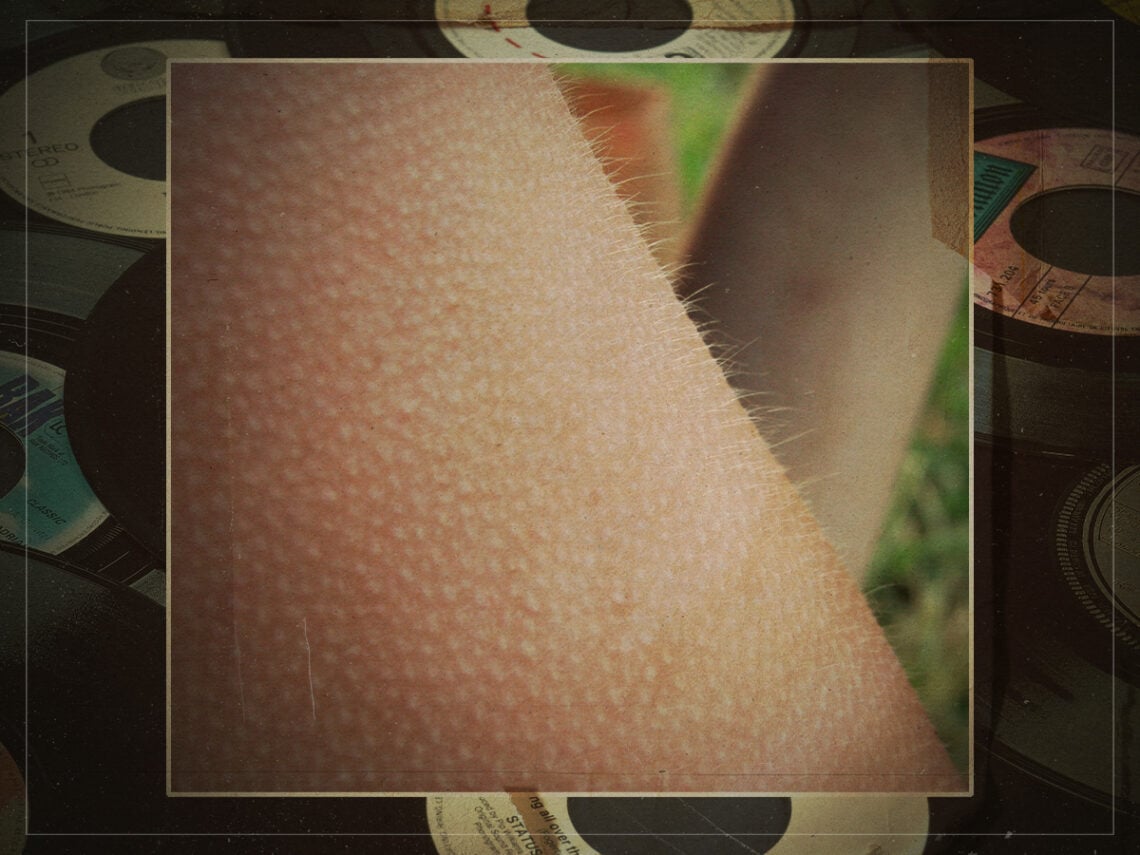
The science behind why music gives some people goosebumps

The human brain is a curious thing. Why do ASMR videos hit just the right spot in our ears? And why have I suddenly become hooked on those TikTok clips that flash up eight rhyming objects, daring me to say them in order – sock, rock, clock – faster than my tongue can keep up? Somehow, I now spend my evenings trying to master them like it’s life or death.
Much like Talking Heads, sometimes I too wonder how did I get here, and while what the root of our collective addiction to TikTok and reels isn’t a question I can answer in fewer than 600 words, something I can answer is why our favourite music makes us feel so good, or, more accurately, it’s something that Thibault Chabin and his colleagues at the Université de Bourgogne Franche-Comté can answer.
It’s pretty incredible that music has the power to give us actual chills, to make the hairs on our arms stand on end, wherein a great song can flood our system with pleasure, trigger joyful memories, or overwhelm us with nostalgia. Now, this plucky bunch of researchers has been using EEG, a painless test that records the brain’s electrical activities, to figure out just why we get chills (that multiply) when we listen to music.
The study involved 18 French participants who regularly experienced chills while listening to their favourite songs, and they were asked to indicate when those chills occurred and to rate how pleasurable they felt. Chabin said, “Participants of our study were able to precisely indicate ‘chill-producing’ moments in the songs, but most musical chills occurred in many parts of the extracts and not only in the predicted moments.”
So, it turns out it’s not just the obvious moments, like a Don Henley chorus or a Jimi Hendrix guitar solo, that give us chills, but Chabin and colleagues found that dopamine release happens not only during the musical peak, but just before it too. As our brains anticipate the crescendo, it begins to release dopamine, creating intense pleasure and (yes) chills.
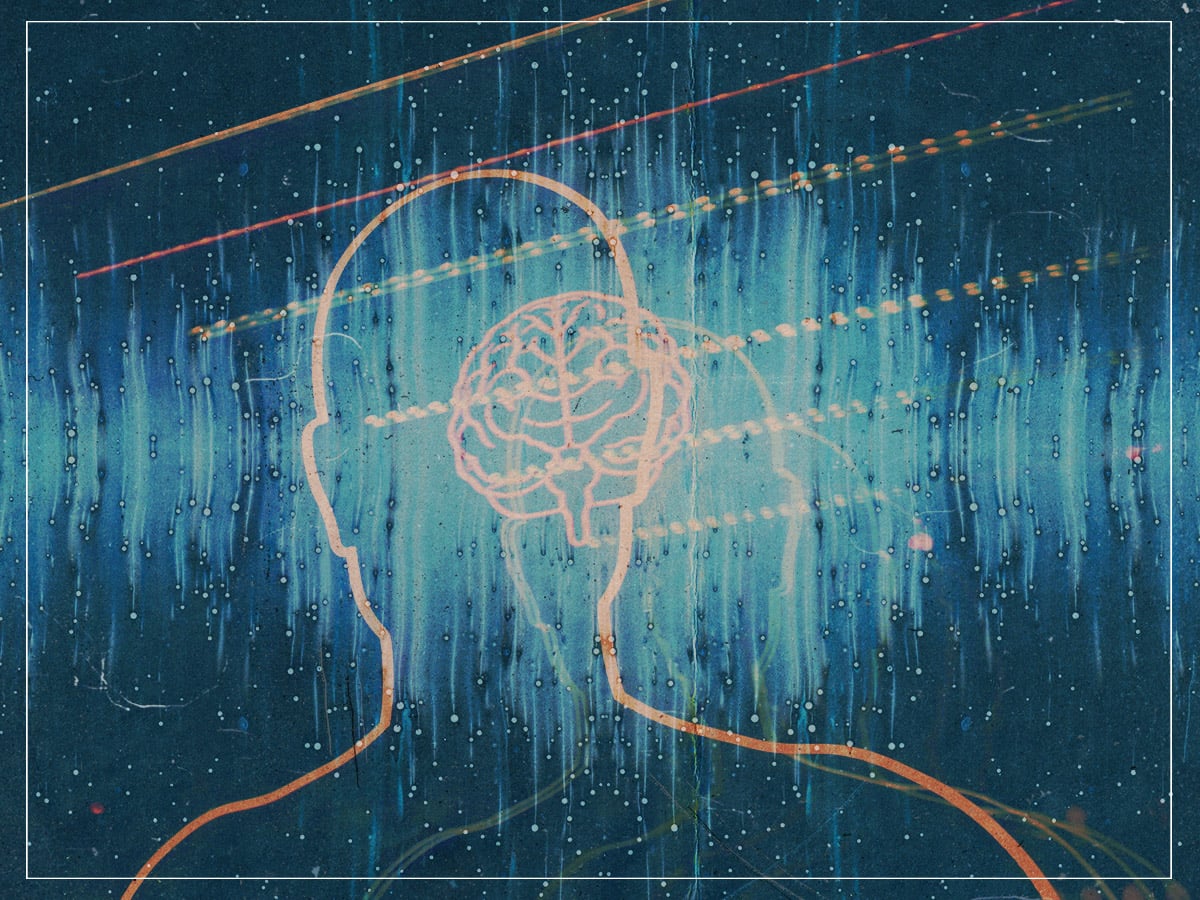
Essentially, if you know your favourite part of a song is coming up (for me, halfway through the Foals track ‘Sunday’ when the arrangement shifts), your brain starts anticipating that “chill-inducing” moment and releases dopamine in advance. These chills are often referred to as ‘frisson’, the French word for ‘shiver’ or ‘chill’, but the good kind, and not the forgot your coat on the way to the shops kind.
When participants experienced a chill, Chabin observed specific patterns of electrical activity in the orbitofrontal cortex (involved in emotional processing), the supplementary motor area (a mid-brain region linked to movement control), and the right temporal lobe (associated with auditory processing and musical appreciation), thus learning that these three regions work together to process music and trigger the brain’s reward systems, releasing dopamine, and ultimately producing these tingly feelings we experience when listening to a proper banger.
Additionally, this physiological response is thought to indicate greater cortical connectivity in our brains, which I’m told is a good thing.
While music hasn’t historically been thought to have any intrinsic biological benefit, Chabin suggests that this discovery, that music directly influences dopamine levels and the brain’s reward system, points to a possible ancestral function. Putting our Darwinian hats on, this basically suggests there may be something integral inside some of us that actually needs music to thrive.
“Musical pleasure is a very interesting phenomenon that deserves to be investigated further, in order to understand why music is rewarding and unlock why music is essential in human lives,” says Chabin, so the next time you ask yourself whether you should spend that money on a gig ticket, the answer is yes, because science says you need it to be happy.
