How trailblazing erotic photography forever changed how we see desire

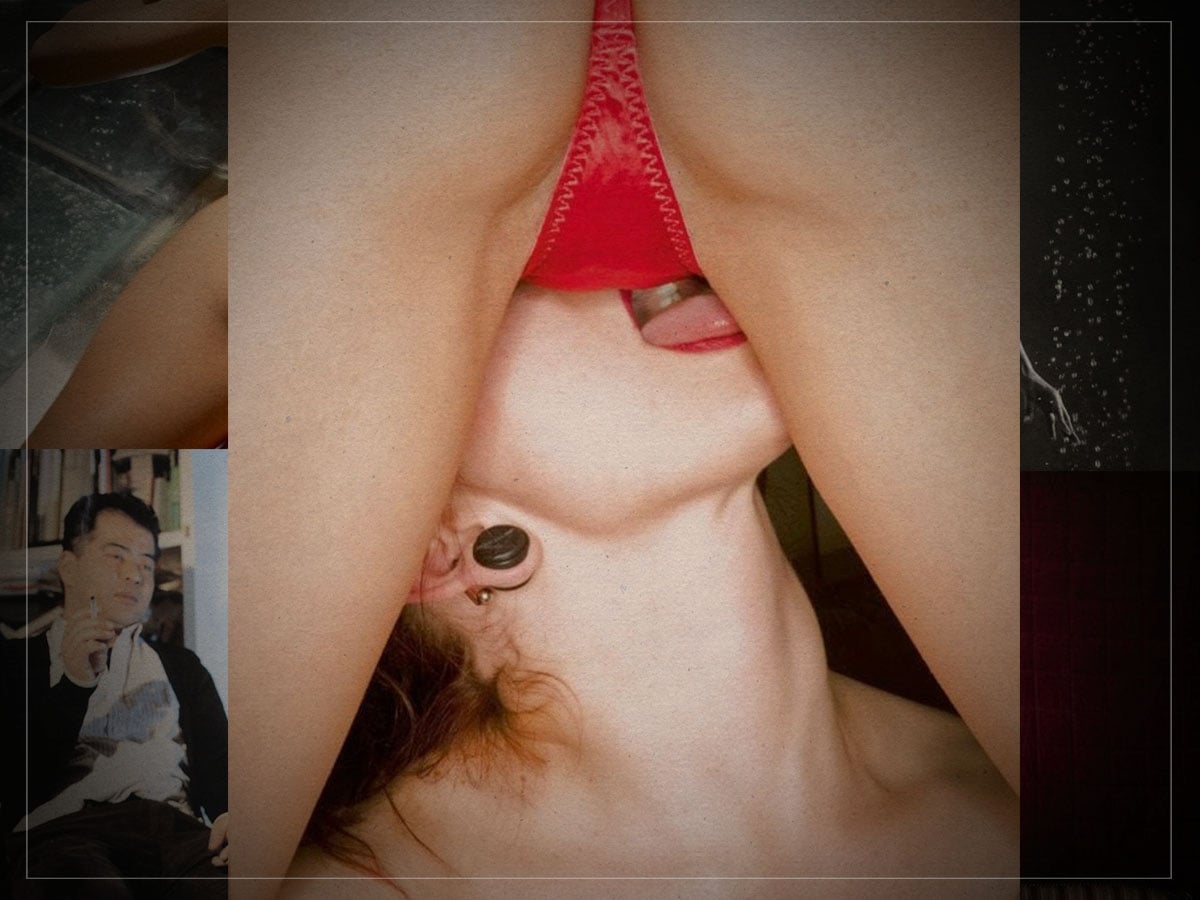
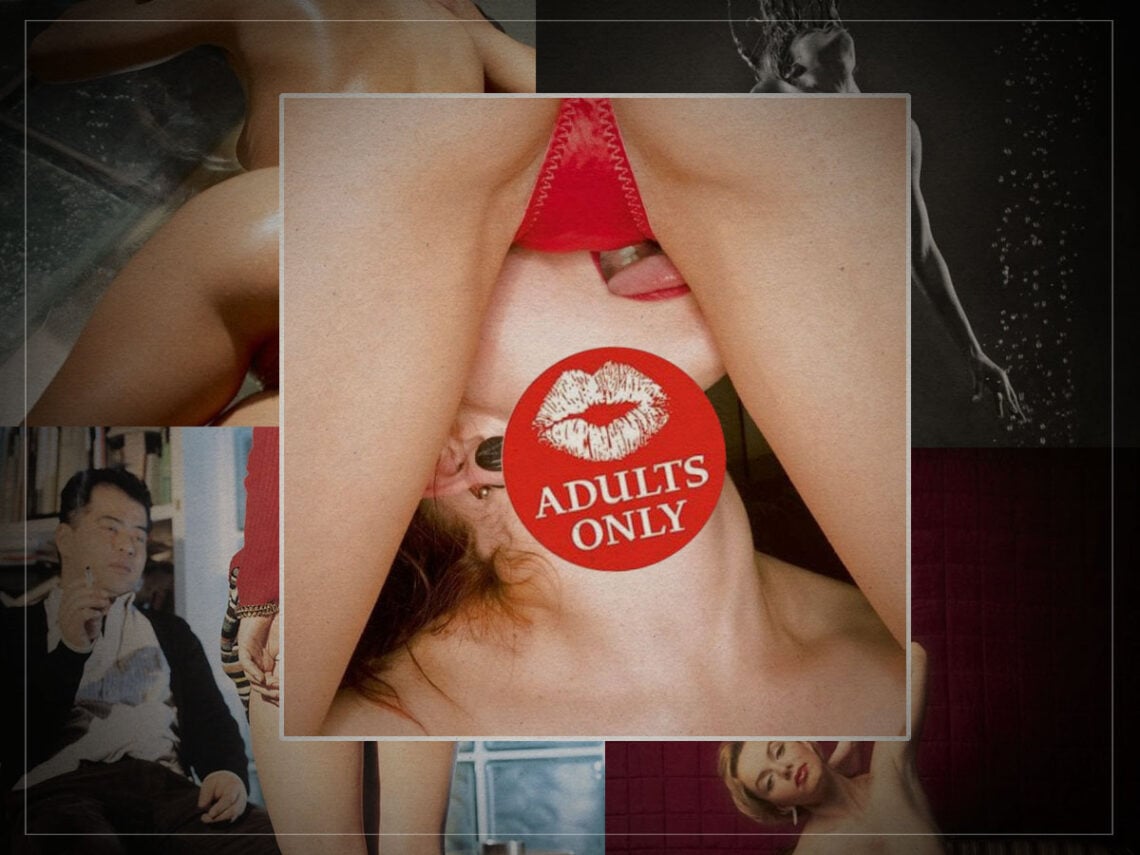
The French photographer Laurent Benaïm explains, “I have no criteria for aesthetic selection, only the expression of human desire interests me”.
For years, before Louis Daguerre presented the world with the first high-quality camera capable of producing images that didn’t fade in 1839, the world mused over the best way to present this. Now, the world of erotic photography has gone so far that those behind the camera are trying to subvert the trailblazing art form in subversive new ways.
Naturalism is central to Benaïm’s new approach of contrasting the air-brushed ways of modern sex depictions. “I’ve always been fascinated by sex, the diversity of practices, the will and perseverance of people to realize their fantasies,” Benaïm explains. “These moments of pleasure captivate me in all their forms: the beautiful, the ugly. I have no criteria for aesthetic selection, only the expression of human desire interests me.”
Somehow, using the camera to not only capture sex with fidelity but also preserve some sort of essence has always been part of erotic photography. When the camera was first invented, traditional artists feared that they would be made redundant. Thus, they ventured off into more abstract and expressionist forms of art, trying to present things that a camera couldn’t. However, early photographers followed suit, vying to place something beyond the frame in their work.
As the great Helmut Newton explained, “I am a professional voyeur”.
His own operandi was to somehow make it look like you weren’t viewing a photograph at all, you were merely gazing through a frame at some marblesque beauty sunning themselves in the backyard of a condo. The thrill, however, was not some peeping-tom fantasy; it was finding a way to make art feel inadvertent, a feat that was all but impossible before the camera, when canvases had to be pored over for hours.
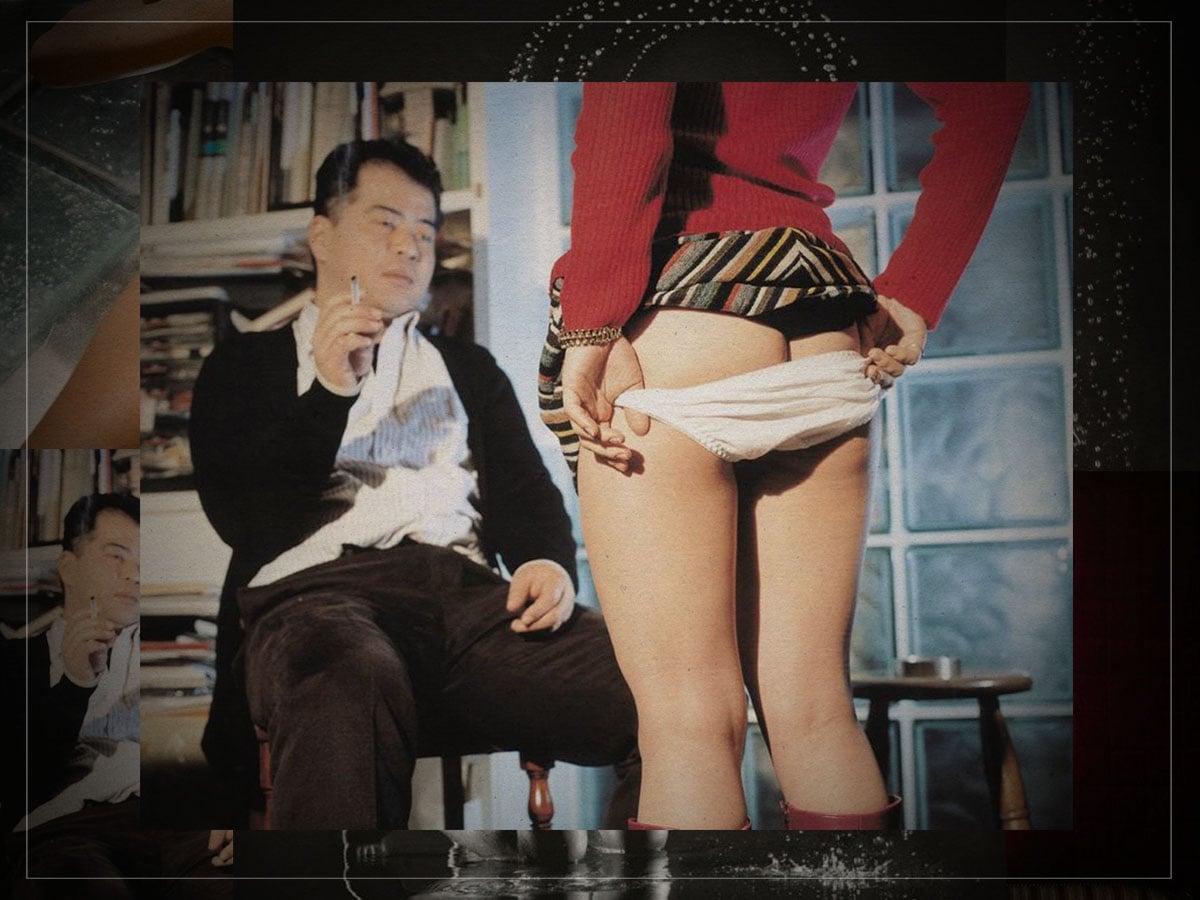
Thereafter, photography became a tool of empowerment for artists looking to make a very blunt point in print. Nobuyoshi Araki was one of those. When Nobuyoshi Araki attended film and photography school at Chiba University in 1959, Japan was undergoing a tempestuous period of radical change. Stationed between the old ways and the new, students began to partake in the historical Anpo Protests, as the left tried to sway a more neutral path for Japan in the ensuing Cold War.
Araki looked to capture the transition of his country. “Photography is about a single point of a moment,” he said. “It’s like stopping time. As everything gets condensed in that forced instant. But if you keep creating these points, they form a line which reflects your life.”
He viewed the medium of eroticism to be the perfect liberating vehicle on this front.
“I would say my sex drive is weaker than most. However, my lens has a permanent erection.”
Nobuyoshi Araki
The latest advancement sees women, who have often been the exploited victims of erotic photography, reclaim the art form as their own. The preface for this came from a daring move by Marilyn Monroe. Despite the howling press, she did not regress into herself, even when nude images hit the headlines in the staunchly conservative era she arose, she proudly took ownership of them and brought about further progression.
It was a mark of a woman reclaiming her own sexual dominion, and it proved trailblazing. Although there had been plenty of precursors, in America, this was a pivotal moment when the world of erotic photography rightly had the subject’s names alongside the photographers, and stars were born from this pioneering frontier of liberated flesh.
From then on, counterculture developed its own take on the libertine ways of 1920/30s Berlin. The art of the pin-up now combined with the daring age of pop culture. Now, stars like Bettie Page were pushing boundaries, combining sex appeal, charm, and dignified individualism.
As her official biography states: “Without imagining the consequences on any conscious level, Bettie found that her provocative cheesecake photographs during the period of 1950 through 1957 violated all manner of sexual taboos and finally invoked a United States Senate Committee investigation.” This ‘Queen of Pin Ups’ spawned many more, and they changed the gaze of how erotic art was viewed.
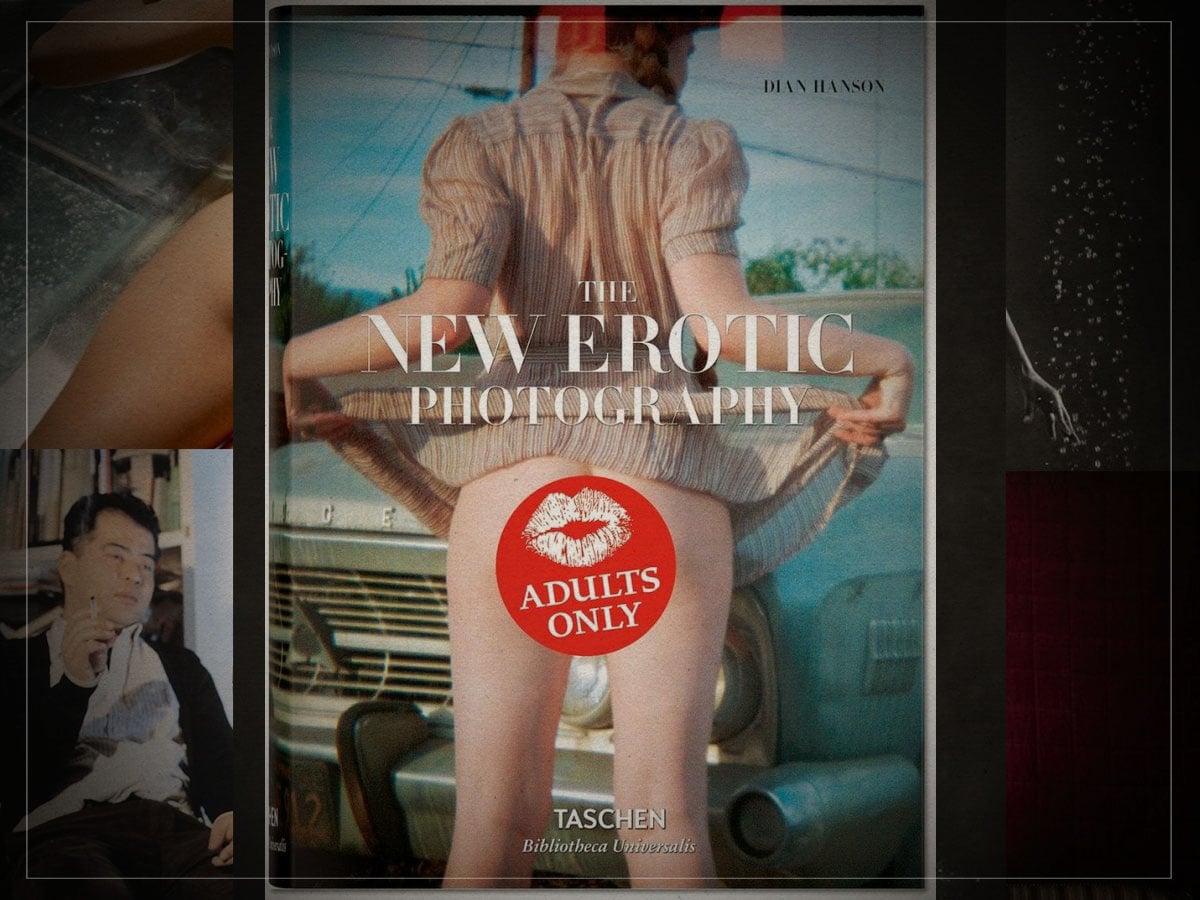
This is just one of the many approaches that modern photographers have taken as the art continues to develop. The Taschen publication, The New Erotic Photography curated by Dian Hanson has collated this unfurling journey and collected the finest examples of erotic photography in recent times.
As the book’s summary explains: “The featured photographers include new names Gregory Bojorquez, Jo Schwab, Tomohide Ikeya, Frédéric Fontenoy, Andrew Pashis, and Jan Hronsky, as well as established artists Guido Argentini, Bruno Bisang, Eric Kroll, and the late Bob Carlos Clarke. Several outstanding women are also featured in this edition, including erotic film star Kimberly Kane, digital pioneer Natacha Merritt, heavy metal skateboarder Magdalena Wosinska, self-portraitist Jody Frost, and cover artist April-lea Hutchinson.” The book perfectly depicts how art and sexual liberation are indelibly interwoven.
The New Erotic Photography is available by clicking here.
The new frontier of erotic photography: