


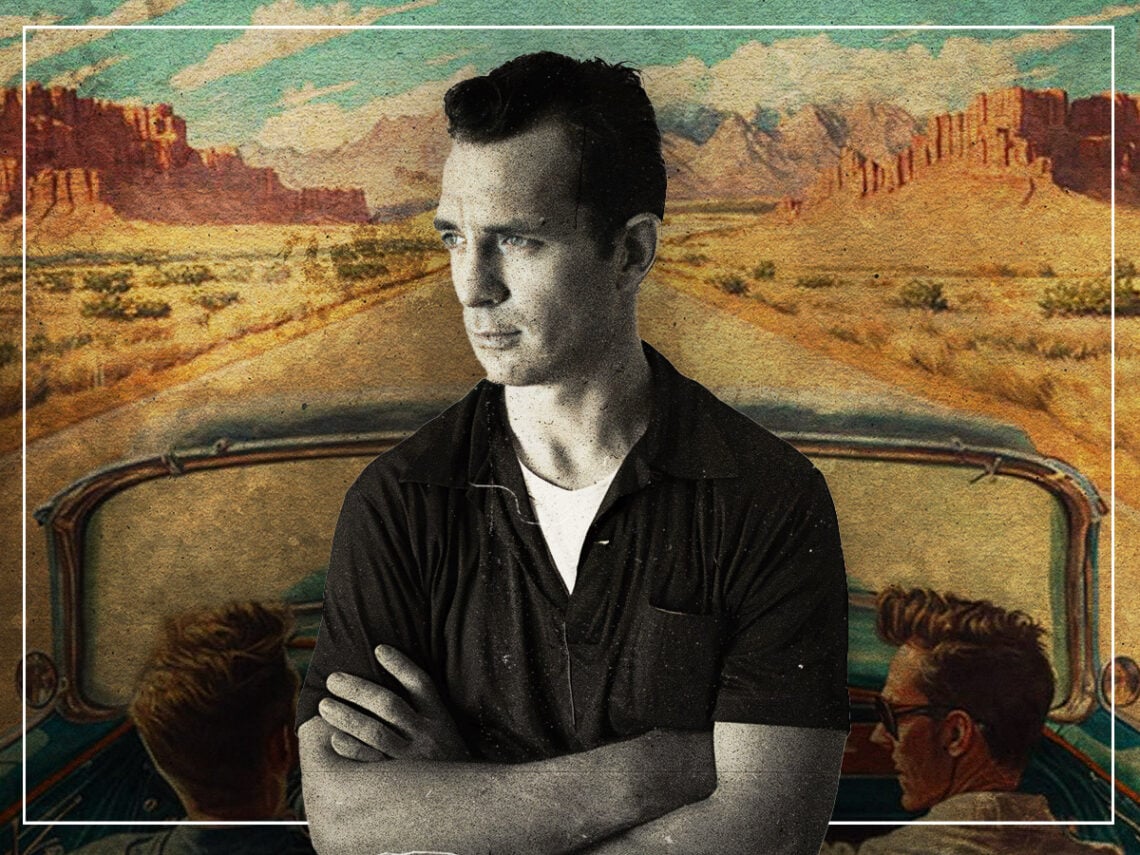
The San Remo Cafe: the bohemian hub immortalised by Jack Kerouac

In 2013, a plaque was put up to commemorate the San Remo Cafe in New York’s Greenwich Village, honouring it as a meeting place for the finest creatives to come out of the Beat movement. “In its post-war heyday, the San Remo was a meeting place for an unparalleled array of figures from the Beat movement, the New York School of poets and painters, and The Living Theatre,” it reads. Its regulars included the likes of Allen Ginsberg, William S. Burroughs, Miles Davis, Frank O’Hara, Gore Vidal, and Jack Kerouac.
Many of them met each other there and opted to immortalise the café-cum-bar in their work. It was an esteemed venue, a place where an avant-garde assembly of misfits could collaborate and share their upcoming works. Judith Malina, co-founder of the experimental group The Living Theatre, was there almost every night, and it was there she met Tennessee Williams and Maya Deren. As well as the plaque marking the cafe’s significance, Kerouac, one of the Beat movement’s most prominent artists, had written his dedication years earlier, in 1958’s The Subterraneans.
In the novella, a semi-fictional account of his brief romance with Alene Lee, the jazz clubs and bars of the Beat scene were inspired by Kerouac’s real haunts. In the book, he writes that the San Remo goers were: “Hip without being slick, intelligent without being corny, they are intellectual as hell and know all about [Ezra] Pound without being pretentious or saying too much about it. They are very quiet, they are very Christlike.”
As well as using the San Remo Café for inspiration, other well-known Beat figures were featured in the book. Adam Moorad’s character was based on Ginsberg, Frank Carmody’s on Burroughs, and Arial Lavalina on Vidal’s, with Kerouac renaming the café “The Black Mask”. In Visions of Cody, Kerouac explained that he often based his fiction on real-life figures, but because of the objections of his early publishers, he “was not allowed to use the same personae names in each work”.
The infamous bar was actually the feature of two Beat-era books. Aside from Kerouac’s rambling prose, the Remo also appeared in John Clellon Holmes’ Go. Also half-rooted in reality, his characters were all based on the artists he rubbed shoulders with in Manhattan throughout the ’40s and ’50s. The drug-fuelled, dimly lit nights in places like the Remo were explored as Paul Hobbes, the character inspired by Holmes himself, worked his way through New York’s clubs. But the sense of community that characterized the New York Beat scene might have been best summed up by Kerouac, in the seminal On The Road.
“New York gets god-awful cold in the winter,” he wrote, “but there’s a feeling of wacky comradeship somewhere in some streets.”
