


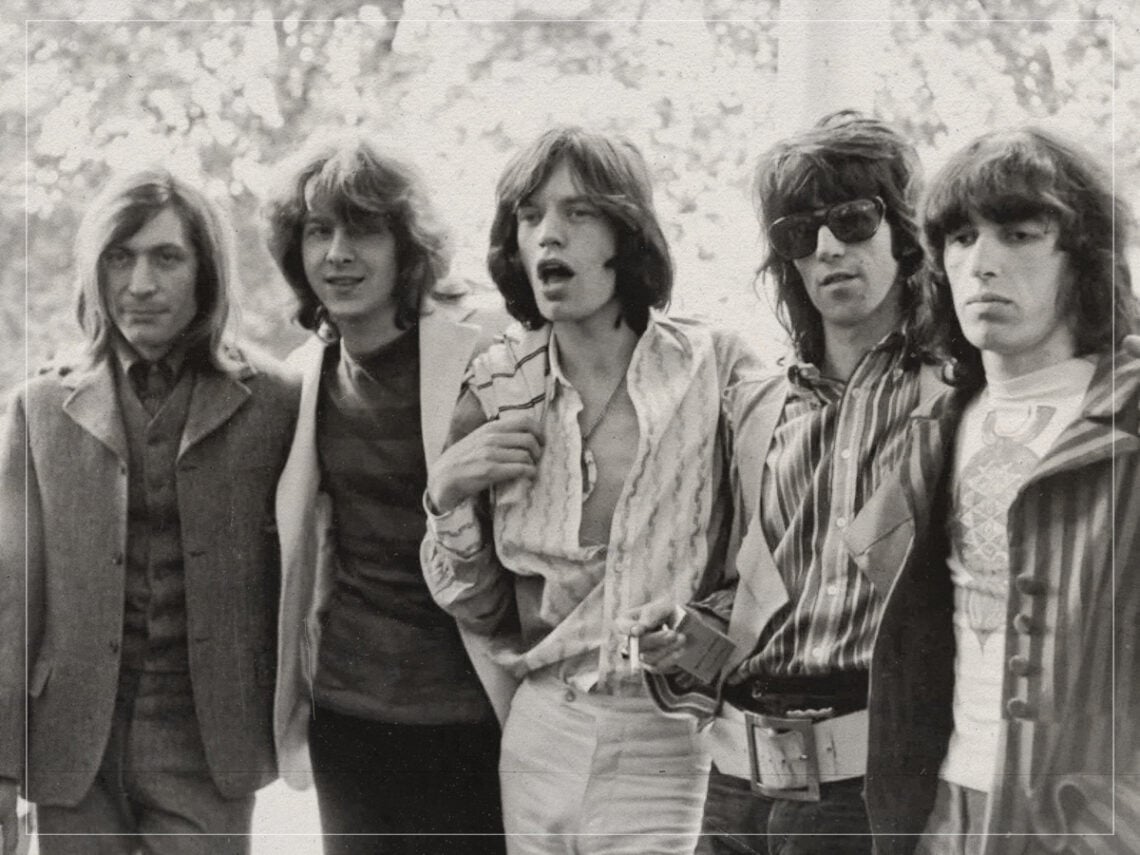
The story of The Rolling Stones, Hawaii, and Japanese exile

Hawaii: the serene tropical paradise, where life is calm, and peace can never be disturbed. Then The Rolling Stones came along.
In fairness, it’s hard to imagine the band in the condition they are now causing much of a raucous scene. Some Werther’s Originals and a nightcap might well be as far as their level of indulgence stretches behind the scenes, lest they break a hip before taking to the stage. But back in the day, of course, this was all very different.
Picture the scene – the year was 1973, the band were comfortably at the height of their fame and in the process of making the iconic Goat’s Head Soup, and they were touring all over the world. This was the greatest rock and roll band in the world, don’t forget. They were, quite literally, flying high. Then there was a crash back to Earth with a bang.
As part of the Pacific leg of their tour, the Stones had planned to visit Australia, New Zealand, and Japan, for which their appearance was a rarity. The countries Down Under hadn’t seen them since 1966, and Japan had never seen them at all. It was set to be a turn-up for the books, and certainly, a string of concerts for the ages.
But in reality, the band had no one else to blame for the tour falling flat on its face other than themselves. They caused such a riot in Australia and New Zealand that they were almost unceremoniously kicked out, and then, when trying to head to Japan, they weren’t even allowed in. Oh dear. However, those crafty English rockers had a plan.
You see, as much as being denied entry to Japan was unfortunate, it wasn’t exactly unexpected. Mick Jagger had been convicted in 1966 of a marijuana offence, and, as Paul McCartney can testify, the Japanese didn’t take kindly to drugs. Having one of the biggest bands in the world without the lead singer is kind of a fatal flaw.
As such, they had already anticipated this and cleverly hatched a plan to re-route to Hawaii if this were the case, invariably much to the frustration of the Japanese fans. However, Hawaii was sent into meltdown, with people camping through the night on Christmas, of all days, to secure tickets. The band took to the stage at the Honolulu International Center towards the end of January a few weeks later, and all was well.
Yet that diversion to paradise proved to be more significant to the Stones than just a handy travel booking. It later transpired that they would mark the final time Mick Jones ever appeared live with the band in America, a moment stacked with history if not the grandeur to go with it had they realised the salience at the time.
So Jagger and Co left Hawaii satisfied in the knowledge that they had truly put on a show, even if it wasn’t in the same country or even continent as they had first expected. With the crashing of the waves and the tranquillity of the sand dunes slowly heading back to normal, tropical life resumed – but with a dose of rock and roll shake-up forever in its heart.
