



The rise of extreme geocache

The world has been gamified, and every little thing you can do has been turned into some sort of microgame to keep you returning to the app or website again and again.
Whether that’s logging your runs on Strava, Apple Fitness telling you to get your steps in, trying to learn Mandarin on Duolingo, or uploading every pint you have to Untappd to try and achieve the impossible task of tasting every beer on the planet: if there’s a hobby or interest, then somebody has already gamified it.
Nothing is safe from this phenomenon, especially the world of travel and exploration, one of the world’s favourite pastimes. We’ve seen the GeoGuessr boom, a game that shows your random locations on Google Street View and makes you guess where it is using any clues in the image, from language on signs, to road markings or the fauna.
It turns any player into an amateur intelligence agent, trying to get a high score as if they were counter-terrorism, trying to track down a shady sleeper cell, and has made stars of its players, such as Rainbolt, who has millions watching him play on YouTube.
Alongside GeoGuessr is geocaching, similar in vein, but more exploratory in reality. This pursuit, which started in May 2000, is effectively a real-life treasure hunt, where you get coordinates to a hidden cache, which might be tucked away behind some bark on a tree or wedged between some rocks, that you need to travel to the location to find, which once you do, you can sign the logbook inside before putting it back for the next intrepid adventurer.
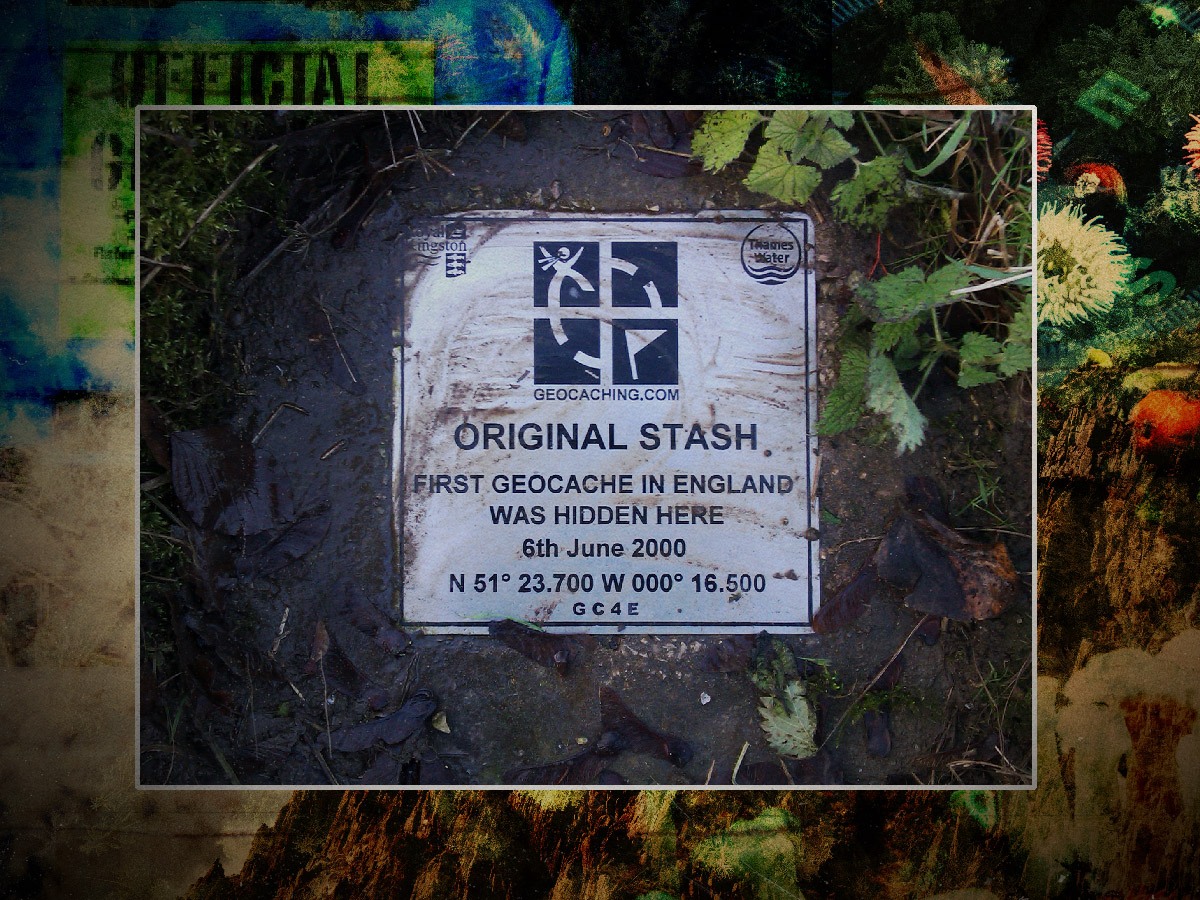
I spent many hours with an old housemate in Bristol looking for coordinates via our phones and searching for caches, as if trying to spot the Ark of the Covenant, and it’s a fun way to spend an afternoon, soaking up the sun, all while training your observation skills, but for some, it’s become more than that; it’s become a passion, and like all passions, there are people to take it to the extreme. Step forward, extreme geocaching, the wilder, more dangerous brother of geocaching, and where traditional geocaches are rated between one and five on a mixture of difficulty and terrain, extreme geocaches are all five out of five.
This isn’t your typical pleasant weekend treasure hunt; it’s dialling up the fundamentals of geocaching, such as navigation and puzzle-solving, and often adding extra physical difficulties. We aren’t talking about finding a cache under a neighbouring park bench, but you might need to hike for hours to reach the coordinates, or climb up a cliff face to find that elusive log.
This is one for serious adventurers, where the treasure hunt becomes an expedition. You might need to know how to rock climb, kayak, cave, and at times you could deal with high-altitude, and all the dangers that come with that. Thus, it’s not uncommon for these caches to involve going to areas devoid of phone signal and across terrain that would make rescue by emergency services very difficult.
Reddit is awash with stories of some wild and extreme geocaches and the near misses that occurred there, such as the cache on a volcano at the Bay of Plenty, one that was perched on the top of a ruin, and one that ended up with the explorer getting arrested by the Bosnian border force.
Ultimately, what makes extreme geocaching such an exciting and rising phenomenon is a mixture of thrill, exclusivity and a desire to return to nature. Respect for nature is something that’s intertwined with the activity, where players are told to always leave things as they were and to treat nature well.
In a world in which we’re increasingly online, there’s something inside us that makes us want to get out there and explore like our forefathers did, and touch grass, if you will. Take that sense of adventure and combine it with the high-stakes, sweaty-palmed adrenaline of doing something potentially risky, and the exclusivity that achieving these hard-to-get caches provides, and you’ve got a winning formula on your hands.
