


The reason why Factory Records rejected Oasis

At one point, Factory Records was the only place to be for any band from Manchester. In theory, Oasis would have been the perfect act for their roster, and Tony Wilson knew it too, but he still rejected the chance to secure their signature.
When Wilson first became aware of Oasis, they were yet to appear on the radar of Alan McGee, who later snapped up their signature for Creation Records. Despite having a clear run at signing the band to Factory, Wilson was unable to fulfil his wishes due to poor finances following the vast expenses spent on making the Happy Mondays album Yes Please!
During the making of the album, Shaun Ryder was struggling with addiction issues. Therefore, Wilson felt it was appropriate to isolate the band on a remote Caribbean island to make the album. Foolishly, the location that they sent the band was rife with crack cocaine, which the Happy Mondays duly devoured.
The future of Factory Records depended on the success of Yes Please!, which cost a dizzying amount more than the label ever anticipated. Unfortunately, they were left with no choice but to declare bankruptcy after the album only reached 14 on the UK Album Chart.
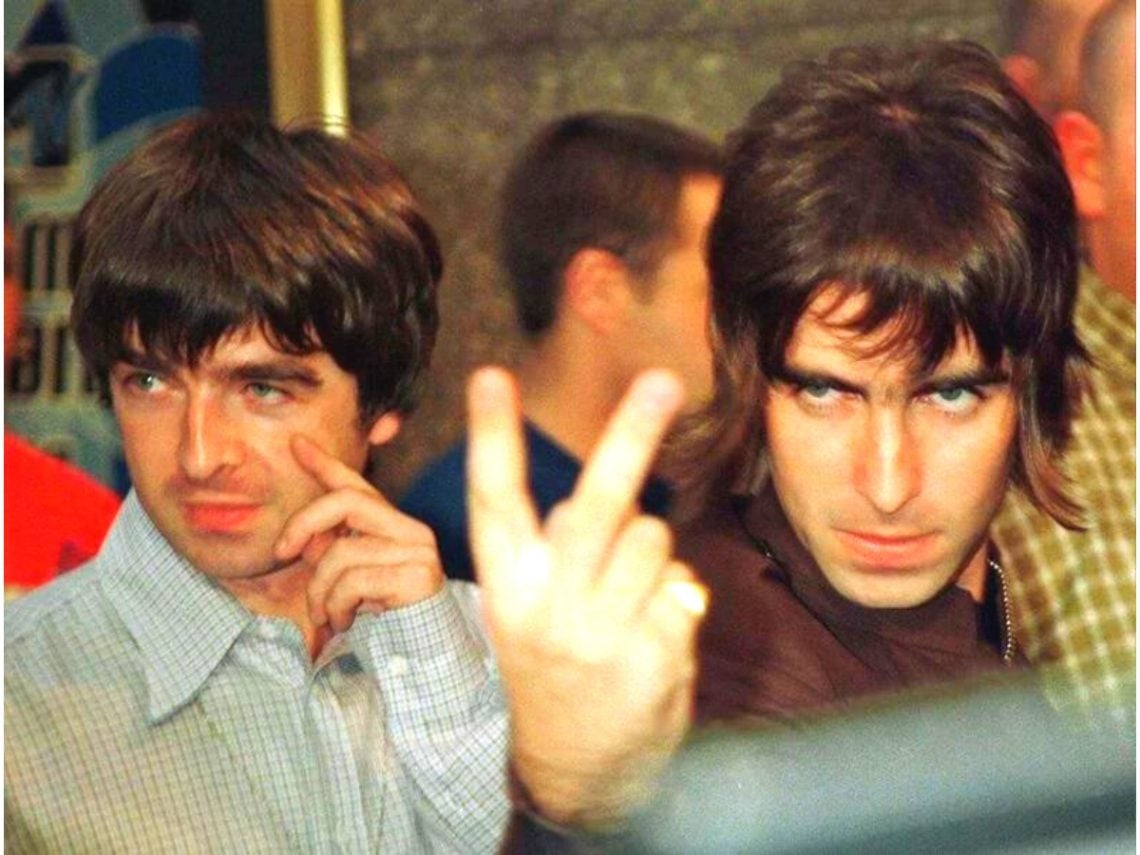
If Bez and the gang hadn’t drained Wilson’s pocket, the fortunes of Factory and Oasis could have been a wildly different story. Wilson stumbled across the Gallagher brothers when they played at the inaugural version of his Enter In The City music conference in 1992. Wilson immediately knew they were destined for greatness, but tantalisingly, they were out of reach.
During an interview with Metro (via Morrissey Solo) in 2002, Wilson mentioned the incident when he looked back upon the biggest regrets of his career. Although he understood Oasis would have likely secured the financial future of Factory Records, that was never his motivation.
He explained: “One of my biggest mistakes was going round to Morrissey’s house, sitting in the bedroom and hearing him announce he’d decided to become a pop star. I thought he’d be our greatest novelist, but pop star? As for Oasis – I feel sorry for Phil Saxe, who was our A&R man and was desperate to sign them and Pulp. There he was in 1992 with two great bands, and we were too busy going bankrupt. He went to London to get some backing and all the majors told him to f**k off. The arrogant answer to both though is the Smiths and Oasis are brilliant but they didn’t change music – my bands did.”
While most in Wilson’s position would have cried themselves to sleep watching Oasis and Pulp become two of the most influential bands of the 1990s, the Factory founder had no regrets. Ultimately, they were a label that operated like no other, which helped them lead from the front in the ’80s, but it also explains their faults and eventual demise. Wilson’s unconventional approach to managing a label was Factory’s greatest asset and their most gaping frailty.
