


As I Want You To Be: The quintessential guide to Kurt Cobain’s albums

While he may have only graced the planet for a tragically short amount of time, it’s evident that, despite having been gone for over 30 years that the impression Kurt Cobain left behind on rock music is still being felt to this day.
Despite grunge having emerged from Seattle and its surrounding cities in the mid-1980s, long before Cobain decided to form Nirvana, it was his work that propelled the act into the mainstream, garnering attention from far beyond its humble origins in Washington state. With a diverse pool of influences coming into what had previously been perceived as a raw, sludgy and abrasive sound, Cobain’s songwriting was a cut above that of his peers, and this was evident from the earliest releases put out by the band on Sub Pop.
While they rapidly outgrew the label after their debut, Bleach, going on to release one of the most critically acclaimed albums of all time in Nevermind, it also quickly became evident that Cobain wasn’t the sort of individual built to handle fame, and he began to exhibit signs of crumbling under the immense pressure of performing to the highest standards. He was clearly capable of producing incredible works, but on a human level, his internal struggles with being perceived as an icon were too much for him to cope with.
The band’s third and final studio album, In Utero, could be seen as a victory lap by some, but it also comes with a harsh reminder of Cobain’s fractured state of mind, and is read by many fans in retrospect as a cry for help from a man on the brink. His suicide in 1994 was not just a tragedy for the grunge scene he’d come from, but for the legions of fans he’d amassed in a short span of time, and for the wider world of rock music that he’d managed to state his influence upon.
There may only be three official studio albums attributed to Nirvana, but the band also saw their work compiled on a multitude of different releases, which are just as important for getting the full picture of Cobain as an artist. For the uninitiated, we’ve assembled something of an essential guide to his work and how it can all be tied together to illustrate all of the different facets of his output.
The quintessential guide to Kurt Cobain’s albums:
Kurt Cobain’s statement of intent: ‘Bleach’
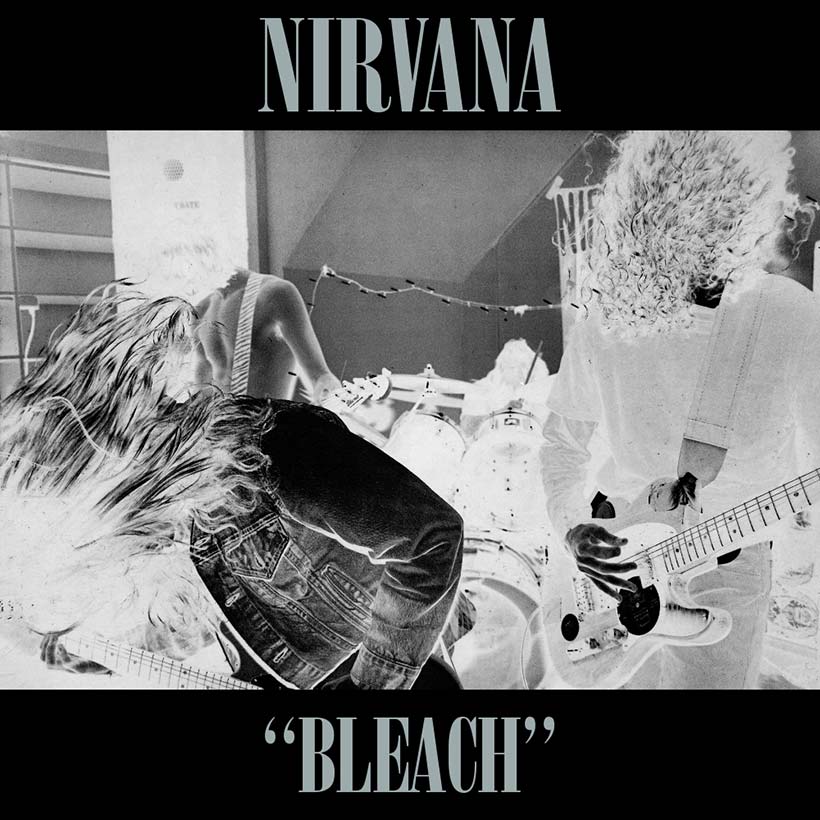
Rather than calling it Nirvana’s weakest album, it’s probably best to see Bleach as their third-best album instead. Far from being underwhelming, the record introduced Nirvana to the world in spectacular fashion, outlining just how Cobain was able to merge together elements of what had previously come from the grunge scene with aspects of post-punk, ‘60s pop and rock, and intelligent lyricism that wasn’t constantly drowning in reverb.
Sure, songs like opener ‘Blew’ are perhaps as abrasive and fuzzed-out as the band ever got, but it shouldn’t have come as a surprise to learn that Cobain was fond of incorporating melodicism into his songwriting from the fact that they chose to have a cover of Shocking Blue’s ‘Love Buzz’ as the lead single from the album. While it can be hard to cut through the noise in places, the melodic reprieve that songs like ‘About A Girl’ provide underlines just what Cobain intended to offer with the band, and he’d only go on and further capitalise on that on future releases.
Kurt Cobain’s flirtation with fame: ‘Nevermind’
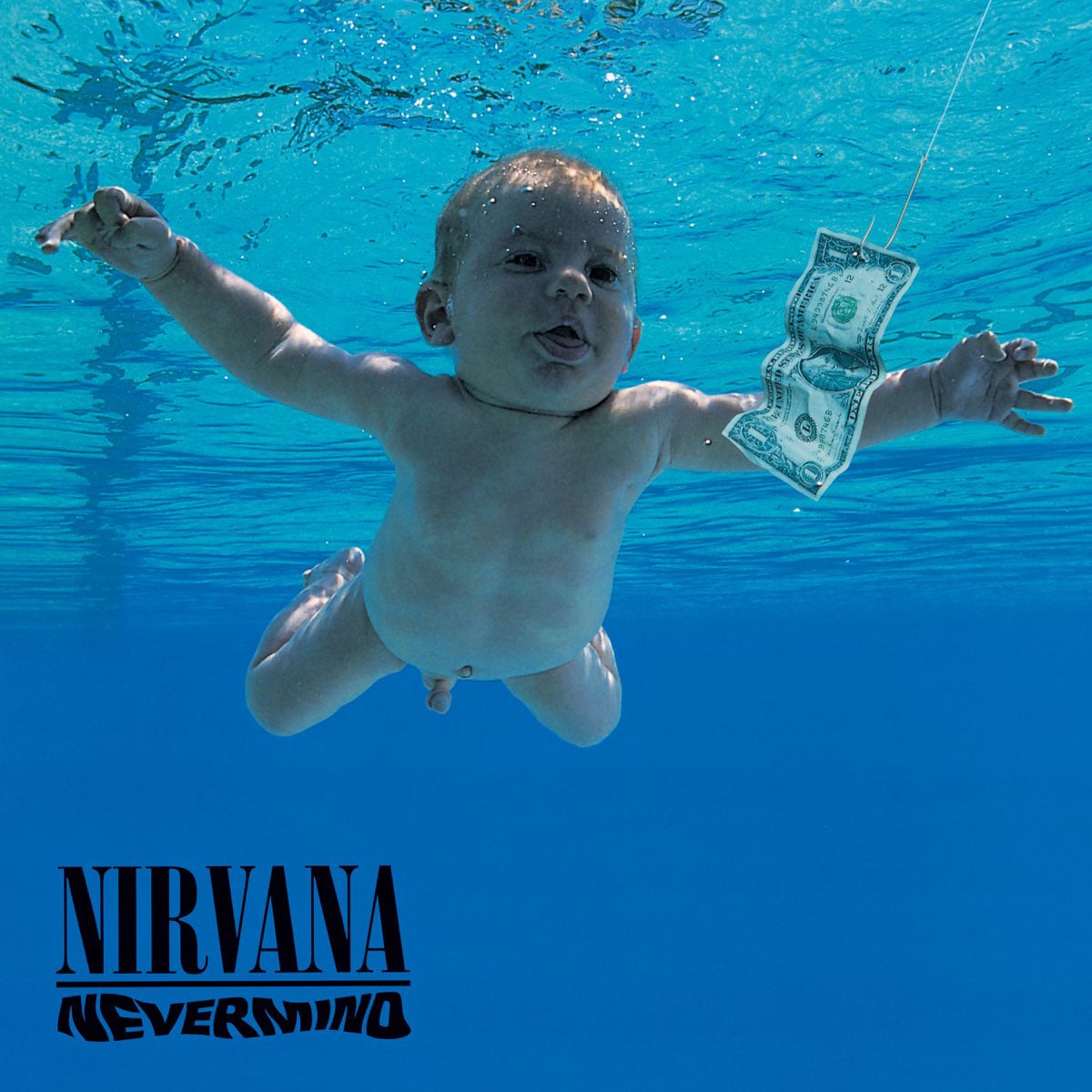
If ‘About A Girl’ gave us a glimpse of what Nirvana were capable of producing in terms of raucous rock anthems with pop hooks thrown in for good measure, then imagine what an entire album in this vein with more polished production and mixing would sound like. Well, you don’t need to – Nevermind is exactly this. Boasting the band’s most well-known songs in ‘Smells Like Teen Spirit’, ‘Come As You Are’ and ‘In Bloom’, it was hardly surprising that this album hit stratospheric levels of success and notoriety, and became the blueprint for what rock music could sound like in the 1990s.
Some might argue that Nevermind strays too far into commercial territory and does too much to stray away from the noisier roots displayed on Bleach, but it’s clear that Nevermind has come from the same creative mind as its predecessor. It’s more polished, and therefore more accessible, and while that came at a cost for Cobain’s overall attitude towards the music industry and celebrity status, it also makes for one of the most masterful leaps from relative obscurity into international stardom ever witnessed in music history.
Kurt Cobain’s masterpiece: ‘In Utero’
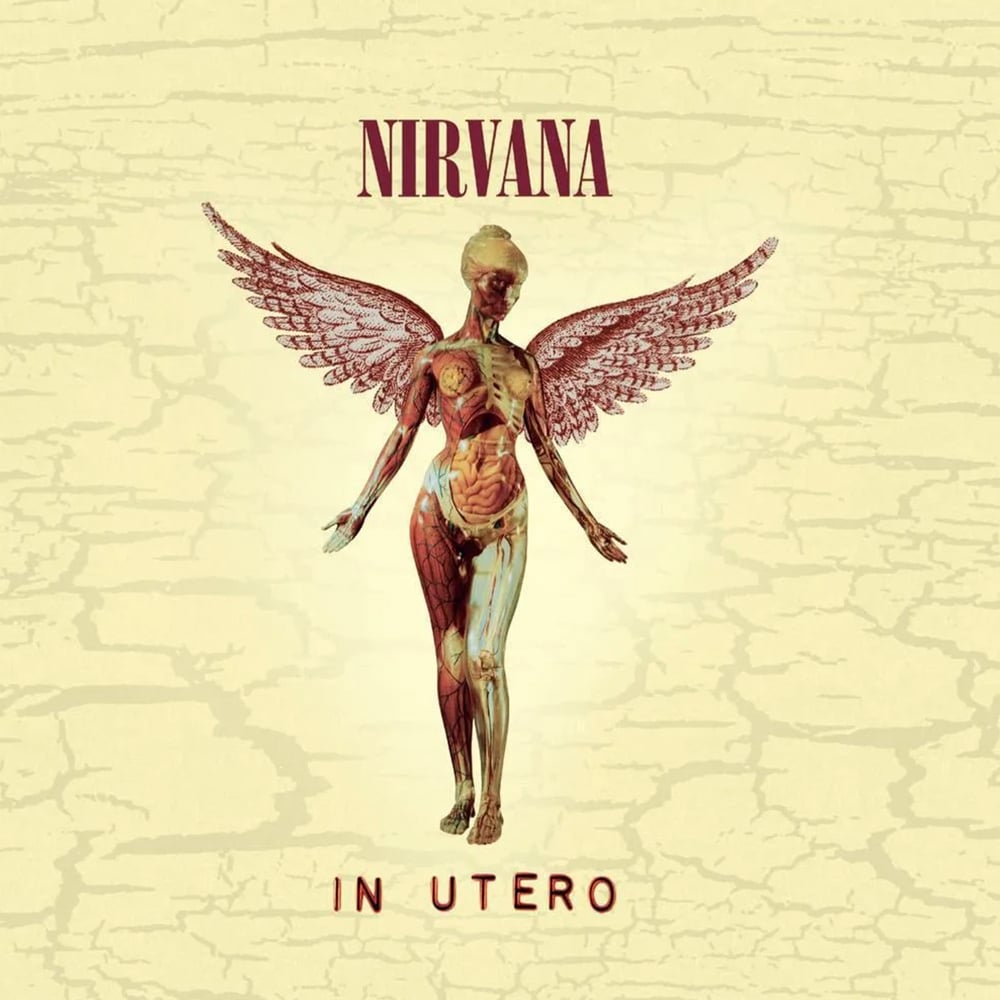
In Utero doesn’t have the same instant charm as Nevermind does, I’ll give you that. What it does manage to do is find that special equilibrium between dissonance and melody that the first two Nirvana albums could be accused of straying too far into, respectively, and this is exactly what makes it such a special yet heartbreaking record to listen to. Recruiting Steve Albini as producer was perhaps the perfect move for the band to make, as his touches brought out the very best elements of Cobain’s songwriting and put them front and centre, which is exactly where they deserved to be.
With hindsight, it’s a gigantic shame that a band who had evidently found that sweet spot and hit their creative stride were torn apart so soon after, but if we’re to look at the positives of the album in isolation, we get the clearest picture of what made Cobain such an exceptional songwriter, and one who could frankly do it all. You’ve got the brashness of ‘Scentless Apprentice’, the subversiveness of ‘Rape Me’, the ability to produce a hit in ‘Heart-Shaped Box’ and the ability to produce a tearjerking finale in ‘All Apologies’. In Utero has it all, and Nirvana had it all too, but unfortunately, this was at complete odds with how Cobain saw things.
Kurt Cobain’s hidden gem: ‘Incesticide’

While it could be seen as a shameless cash grab when most bands release a compendium of lesser-known material for fans to lay their hands on, it should be noted that Nirvana were not ‘most bands’. Even though it wasn’t recorded as an official album, the 1992 release of Incesticide that arrived between their second and third albums collects B-sides, non-album singles and rarities that stand just as tall as their mainline catalogue, and would put the efforts of the aforementioned ‘most bands’ to shame.
‘Been A Son’, ‘Sliver’ and ‘Molly’s Lips’ are perhaps a handful of Nirvana’s best songs, and while they’re classed as deep cuts, they deserve to get just as much attention as the work that Cobain is most frequently celebrated for. It’s not a case of this being a record that will only be appreciated by superfans and completionists; Incesticide is a grab-bag of Cobain’s journey from the beginning of Nirvana right up to the point where they were about to enter their final chapter.
Kurt Cobain’s rawest performance: ‘MTV Unplugged in New York’
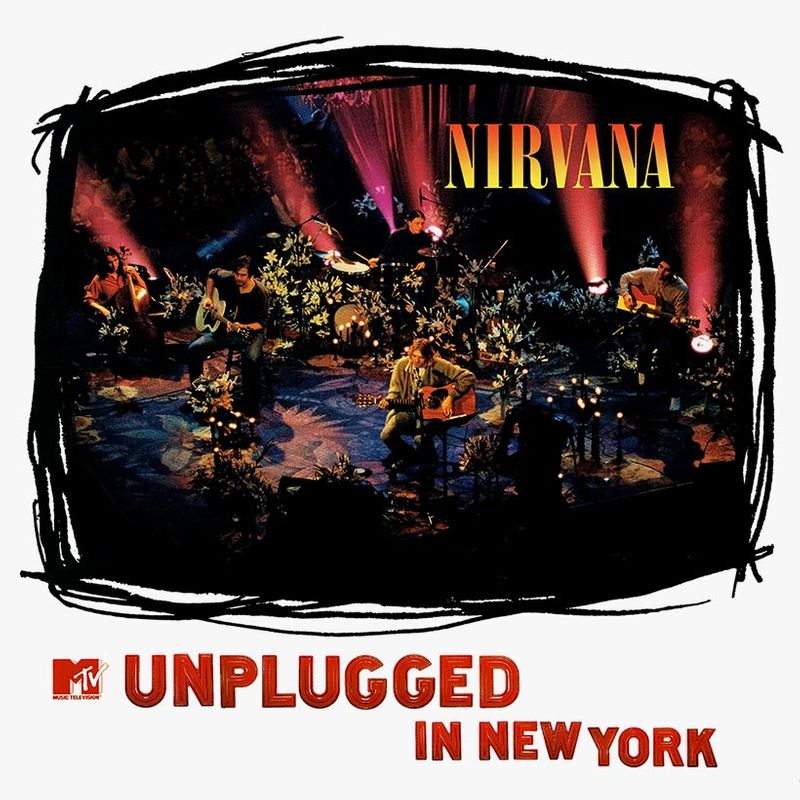
I get it, not everyone likes a live album because it doesn’t beat the thrill of actually being there to witness a performance, and even fewer people like to hear acoustic renditions of songs that were written with the intention of being played loud. Nirvana’s performance for MTV Unplugged doesn’t just provide the exception to the rule on both counts, but is perhaps the finest example of both as well, showcasing exactly why the multitudes of Cobain and his band could have revealed so much more had they not met their untimely demise.
While the album serves up a combination of original material and covers of everyone from the Meat Puppets to David Bowie in a subdued style that one wouldn’t normally associate with the band, it ends up being the rawest representation of Cobain due to how strained his vocals get on songs like ‘Where Did You Sleep Last Night’, and for how he manages to fight his way through the discomfort of being in a room that treated him with the utmost reverence. It’s an album of equal parts beauty and pain, but it’s the essential way to cap off a journey through Cobain’s career, just as he did himself.
