


Enter the mystic: The prog-rock album everyone should start with

From the comfort of our 21st-century vantage point, much of what used to pass for progressive rock can now often seem quaint, arcane, and, well, regressive.
With all the synthetic, electronic and technological advancements that have come, been and gone in the last 50 years, the daring, shocking and surprising sounds that prog rock musicians were painstakingly manipulating from their instruments for the first time in the late 1960s and early 1970s are now only the flick of a switch away for any one of us. Talk about progress!
But back then, making your guitar sound like a siren was a radical and exciting act. A radical act that probably puts you in mind of Pink Floyd or some other middle-class, privately educated British experimenters, but, would you believe it, was a trick which can actually be traced back to Black American musicians, instead? Who am I kidding? Of course, you can believe it; that’s basically a crash course in the history of popular music.
Johnny ‘Guitar’ Watson was a gun-slinging guitar soul man who scored moderate hits with monumental tracks like ‘Gangsta of Love’ and ‘Superman Lover’. However, he was as much an entertainer as a singer or songster. He could make his guitar cry and soar, and he also had some magic tricks up his sequined sleeves.
At times, in concert, he would grab a drumstick off his drummer and run it along the fretboard of his guitar to create a police-siren sound, with no studio trickery required. He could also manipulate his axe to sound like any manner of other objects. He left his mark on players from Hendrix to Stevie Ray Vaughan and was the man who inspired one of prog rock’s biggest (if reluctant) names to pick up a guitar in the first place, Frank Zappa.
And in fact, if you’re looking to enter the world of progressive rock, you could do a lot worse than starting with Frank Zappa and his melting pot of meandering rock and symphonic explorations. Zappa, though, could often be found leaning away from the label, saying at times that progressive rock was more of a marketing gimmick than a true genre, and at other times defining it by saying that “progressive rock is anything that doesn’t sound like regular rock”.
Maybe in that case, then, and whisper it, but the greatest prog rock album ever released might not even be a true prog rock album at all. As far as I’m concerned, you can keep your Dark Side of the Moon; you can keep your One Size Fits All and Brain Salad Surgery. Keep your Thick as a Brick, The Lamb Lies Down on Broadway, Ashes Are Burning and even Tubular Bells, because Marquee Moon is a better record than any of them. More progressive, expansive, extensive, immersive and substantive.
The guitar solos have more to them, more about them and more to tell you or teach you, and more ways to reach you; the lyrics transcend the heavens, but are so far-reaching that they work their way back around the universe again to the point that they are so deeply of the earth, as well. Crucially, too, it’s a lot more enjoyable than any of those named above and all of their related releases.
But, despite the long song run-times, far-out guitar solos and mystical imagery, it’s not really a prog rock album at all, is it? It’s certainly not widely considered as part of the prog rock canon, but may be thought of as something more prog adjacent (much like Kate Bush, whose own albums are all better than anything that Pink Floyd or Jethro Tull ever did, if we’re being honest with ourselves). In fact, Marquee Moon is a post-punk album from the pre-punk world. How’s that for being progressive?
So, where should you start then, if you want to get into prog rock? Well, you can either start at the beginning or you can go back a little further than that. Though many consider King Crimson’s The Court Of The Crimson King from 1969 to be the first true prog rock album, you could hardly listen to The Moody Blues’ Days Of Future Passed from two years before and group it with any other genre. Going back further still, Joe Meek’s 1960 epic I Hear a New World album completely predated and completely predicted everything that was to come from pretty much all of the other groups named so far in this article.
I Hear a New World is full of groundbreaking studio effects, samples, and innovative technological manipulation; it can not only hear a new world, but it can also inform and conjure it up by itself at will. By blending together elements from the popular music of the time with bits and pieces of orchestral and symphonic overtures, snatches of lyrical fragments and dialogue with riffs and dreams, beats and basslines, Joe Meek laid the foundation for all the experimental rock to follow.
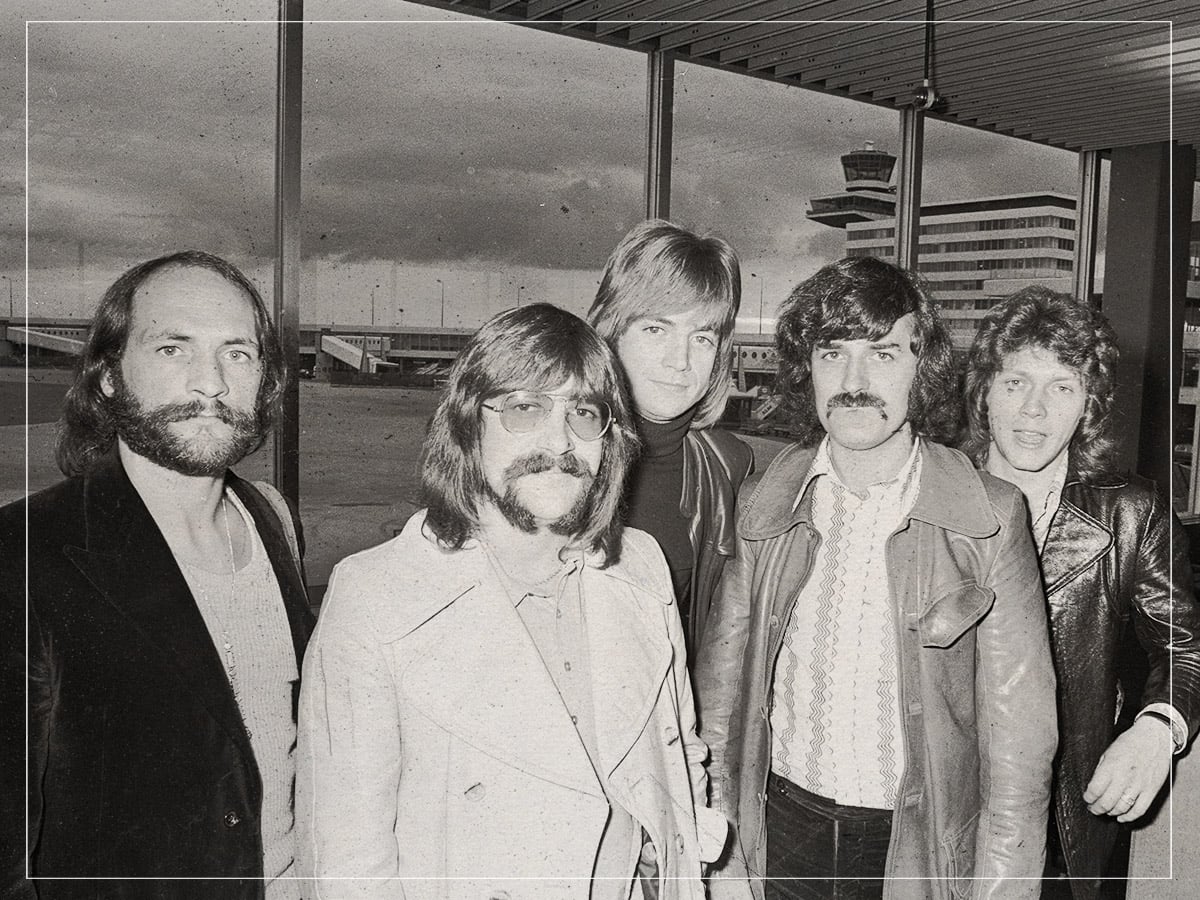
Similarly, Days of Future Passed brings together disparate and contrasting tones and expressions to create a new concordance of theatrical, high-art and progressive rock. As much as all of the acts who followed tried to progress it on from there, on Days of Future Passed, The Moody Blues had already taken it all as far as it needed to go in the first place.
