

Movie of the Week: ‘Royal Family’, the documentary that ended royal mysticism
Read More


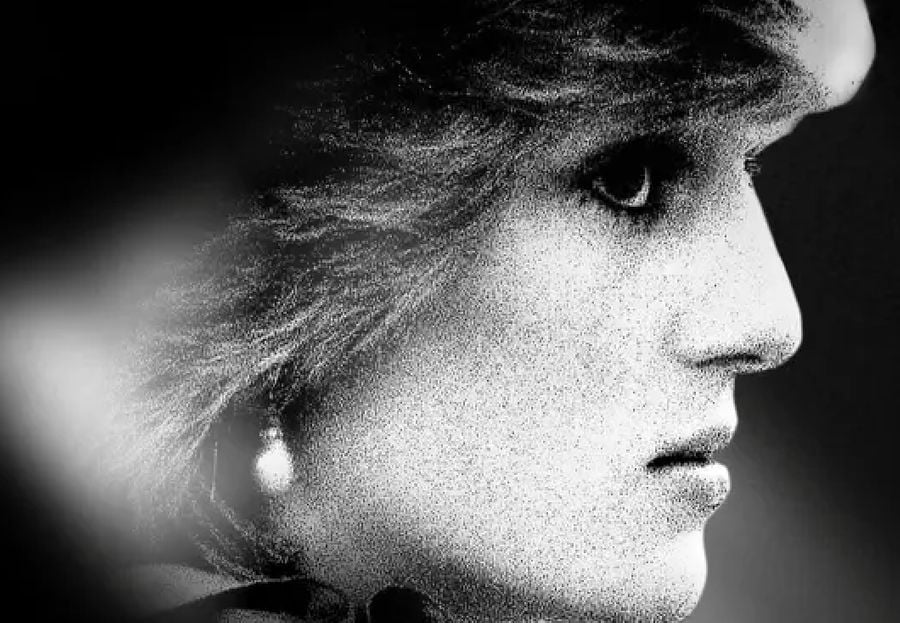
Back in 1969, the British Royal Family commissioned the release of a candid documentary about their own lives, revealing the truth behind their shrouded mysticism. Released at the turn of a new decade when culture was rapidly changing and the role of the royal family was being seen as increasingly irrelevant, the film failed to drum up support, with the result of the documentary being a fascinatingly dull piece of propaganda where 37 million people tuning in to experience the mystique of the royal family fade away to reveal a totally ordinary underbelly.
So candid and revealing was the documentary, that Queen Elizabeth II had the film banned from public access, forbidding it from ever being shown on television ever again. Made in a time in which privacy was treasured with the utmost importance, the royal family and the Queen, in particular, were worried that they’d allowed the public to get far too close, afraid that the mysticism of their grandeur had destroyed a valued national perception.
So, why contextualise Ed Perkins’ latest archive-made analysis of the life of Princess Diana within this documentary? Well, if the barrage of controversy that the Royal Family earned from the scandal of their treatment towards the young princess started from anywhere, it was in this long-festering resentment from a late 20th century Britain.
Indeed, the scandal that Perkins’ film well recreates, using archival footage and interviews from the time, showed just how out of touch, arrogant and pompous the Royal Family truly was during the 16 years that Diana was part of the monarchy, from 1981-1997. This view was undoubtedly forced by the dogged persistence of modern publication companies who exposed the lives of the royals, dropped their mystique and imposed them for all their human foibles.
This is all well translated in Perkins’ documentary that forms a thorough breakdown of the life of Diana, refraining from a narrative voiceover to maintain an objective view of the domestic situation that had the world’s media gripped. For those who don’t know the story, it’s a compelling watch of true crime, with the film accurately reflecting the gross misconduct of the family who sits at the very peak of Britain’s social hierarchy.
Meanwhile, for those familiar with the role that the scandal played in changing the Royal Family forever, this may just seem like a brief history lesson, with little new insight on how the incident went down behind the scenes. No matter your stance, the best way to perceive the film would be as an ethnographic study, with Perkins dedicating much of the documentary to studying the reactions of those who were witness to the events, from everyday workers to dedicated royalists.
Presenting its information with grace and creative flair, Perkins does well to hold the audience’s attention, without the hand-holding of narration or talking head interview sections, perfectly editing the piece with a frenetic energy that gives life to an otherwise studious piece of cinema. As it is, Princess Diana’s fabled stay in the Royal Family stands as a compelling allegory for how the monarchy needs to change and adapt in order to survive, with the archaic structure still proving rigid and obsolete for a fast-evolving modern society.
