


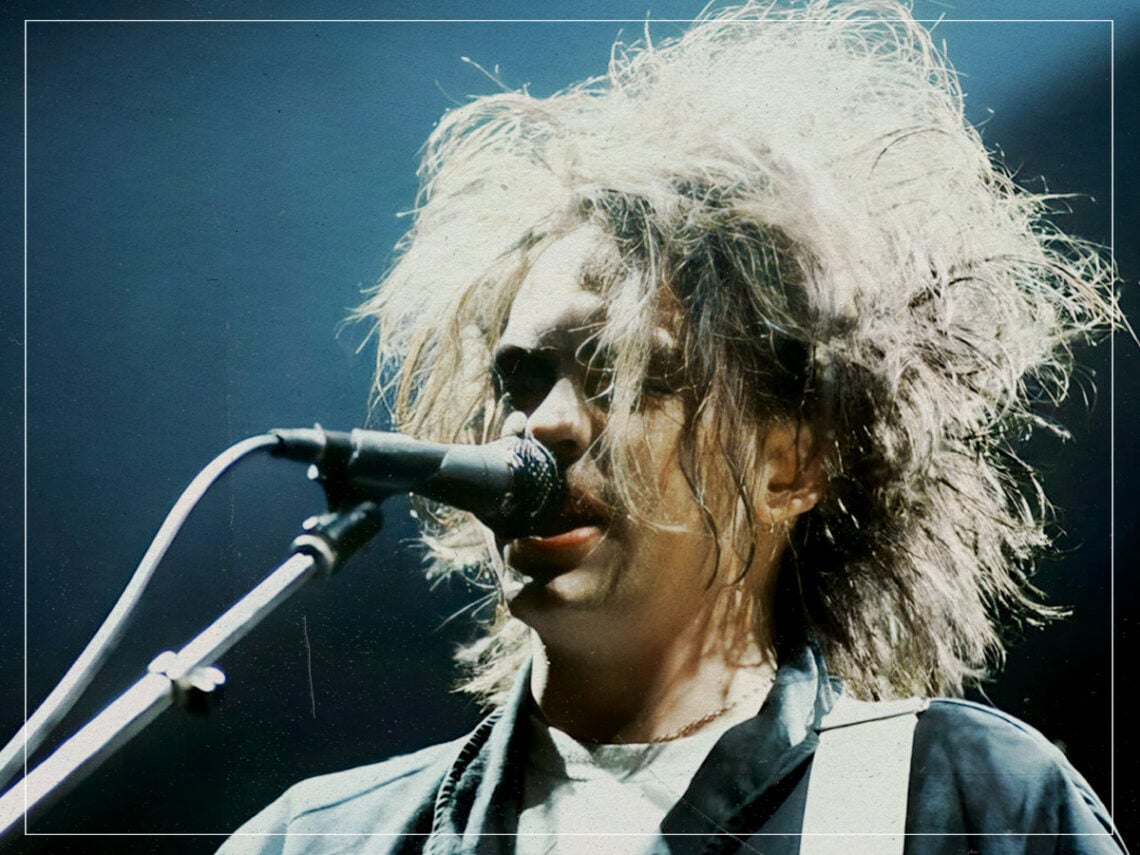
The pop band Robert Smith couldn’t stand listening to: “They represented everything The Cure hated”

A certain look can just feel right for some people. No matter how much they might try to shake off the shackles of their public perception, for some artists, a certain style seems to suit them better than any other.
Take Nick Cave for example. He may have had a few dances with brightly coloured silk shirts, but the truth is he feels most like himself, to the audience at least, when he is dressed in a black suit and a white shirt. The same can be said for The Cure.
Robert Smith and The Cure have finely crafted a vision of themselves that feels totally wrong to try and jeopardise with any kind of brightly coloured pomp or pageantry. Smith, especially, is a singular figure in the spectrum of rock and roll, and his gothic hair, eyeliner, and staunch snarl are only enhanced by his generally glowering public demeanour. The truth is, without his glum disdain for a large chunk of the human experience, The Cure just wouldn’t be The Cure.
It’s been the case for a long time. Throughout the 1980s, The Cure were outliers in the mainstream music scene, and their presence was a refreshing one. The world was seemingly focused on two things: making money and spending it. For Smith and his band, this felt like the antithesis of the artistic role, and he and his group became heroes because of it, even ironically experiencing some pop fame in the process. Amid the wave of consumerism which ate up society thanks to Thatcherism and Reaganomics, Smith was left feeling sick, and there was one band that he once said “represented everything we hated”.
That frustration was rooted in more than just musical taste. For Smith, it was about what a band chose to stand for, both visually and culturally. Where The Cure leaned into introspection and emotional honesty, Duran Duran embraced polish and spectacle, creating a divide that felt symbolic of a wider shift in the industry during the decade.
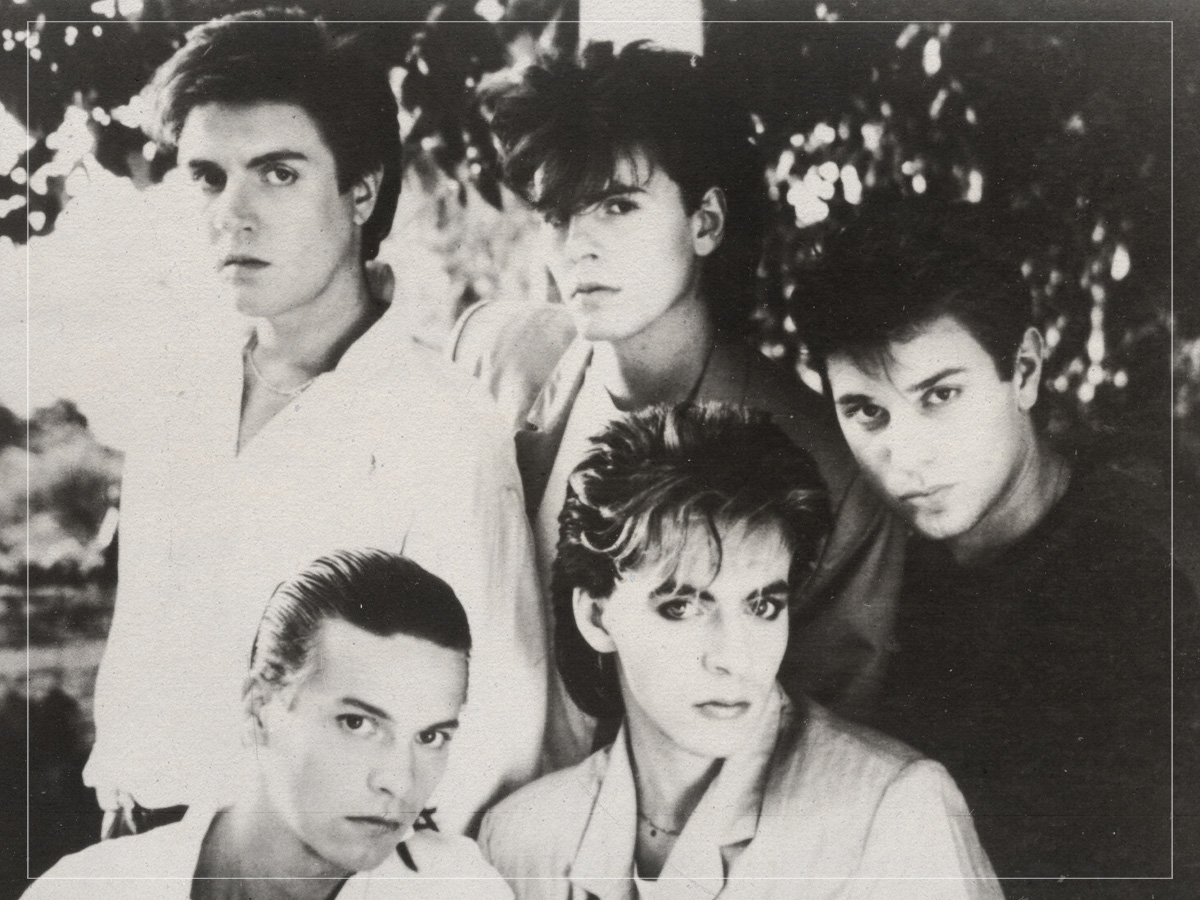
At the same time, the contrast highlights how both groups succeeded on their own terms. While Smith rejected the gloss and excess, Duran Duran’s approach resonated with a massive audience and defined the era in its own way. The tension between those perspectives did not diminish either band’s impact, but it does underline how differently artists can respond to the same cultural moment.
A lot had changed since The Cure first emerged towards the back end of the previous decade, and Britain had become a radically different place. The birth of music television changed the industry; thanks to the invention of MTV, the packaging of an artist became just as important as the music itself, and this helped groups like Duran Duran immeasurably.

Although The Cure were publically fighting with The Smiths singer Morrissey and regularly went back and forth in the musical press, Smith didn’t dislike their music. In 2019, he even admitted he “never really understood” the feud, and Morrissey later uncharacteristically offered him a rare apology.
While The Smiths would have been the band many would assume Smith to have despised, it was Duran Duran who riled the singer most. While the Simon Le Bon-fronted group never said anything out of line about The Cure and were, in stark comparison, huge fans, Smith couldn’t stop himself from viewing them as the complete opposite of everything he represented.
Duran Duran were the embodiment of the ’80s and its obsession with excess. Everything about the group was grandiose, whether it was the extravagant music videos or their flamboyant dress sense. With that, and much to Smith’s frustration, Duran Duran were never out of the charts, and throughout their career, they have sold over 100million records. It was a chartered career that felt totally at odds with how Smith perceived an artistic group should conduct themselves.
In 2019, Smith spoke to The Guardian about how The Cure had managed to carve out a niche and successfully operated outside the traditional bubble. They developed a resilient ‘Us vs Them’ attitude, and in Smith’s eyes, there was no act that catered for the masses more than Duran Duran.
Smith explained: “It was generally Duran Duran, which is really sad because they loved us, and they used to come to our shows. But they represented everything we hated: the whole glamorous ’80s, consumer bullshit; this horrorshow that we were up against.”
Duran Duran epitomised the attitudes that had crept into society. In videos, frontman Simon Le Bon waltzed around carelessly on a yacht in glossy clips while half the country was undergoing intense financial hardship. However, in the defence of Duran Duran, their music was simply slick pop which didn’t have an overt political message. They were undeniably a product of their time, and whether the band liked her or not, they were an epoch of Thatcherism.
