


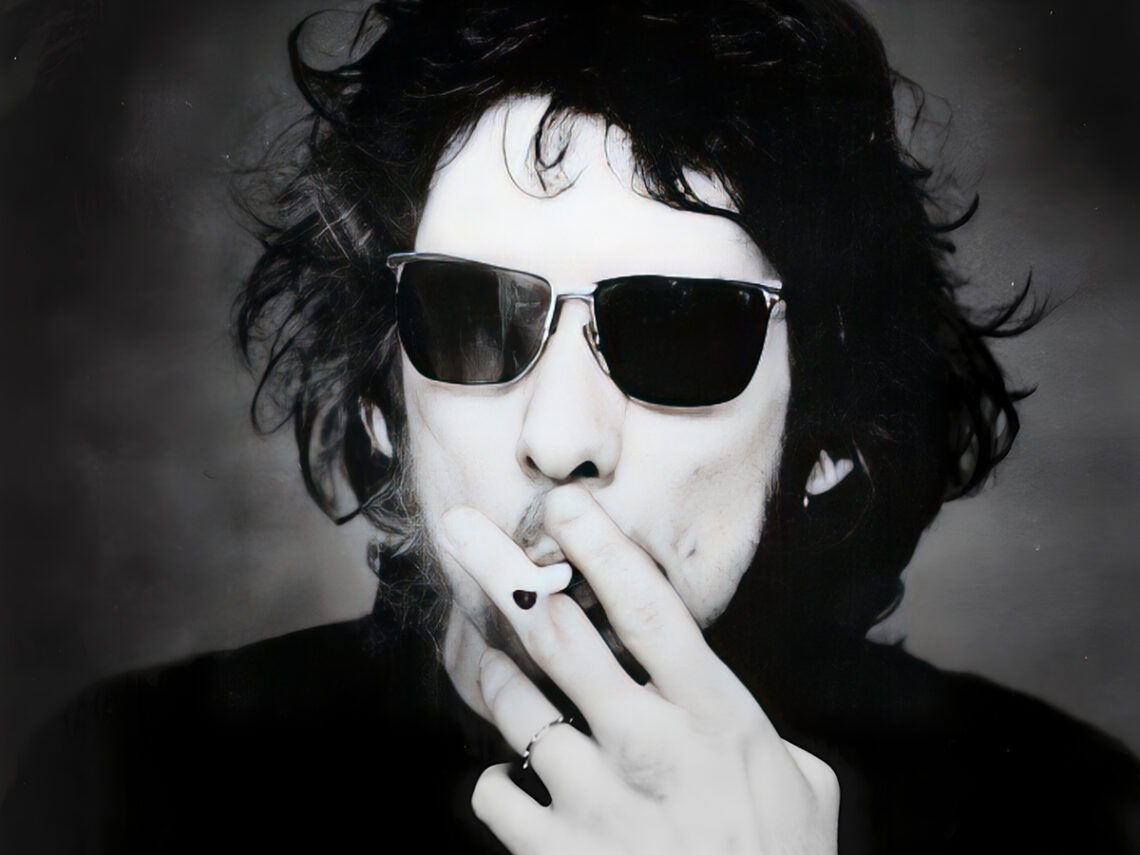
The Pogues: Where is the ‘Dirty Old Town’?

Emerging from the punk scene, The Pogues infused their music with the spirited essence of traditional Irish folk tunes. Led by the late, great, charismatic Shane MacGowan, their songs were a raucous amalgamation of vibrant instrumentation – tin whistle, accordion, banjo, and fiddle – melded with the raw intensity of punk guitars and driving rhythms.
Different facets of the music industry naturally encounter stale periods. Still, the beauty of The Pogues is that they dared to defy musical conventions, forging a path that blurred genre boundaries. This freshness and excitement was enough to evoke profound emotions while maintaining an unapologetic authenticity, one that ultimately solidified their status as cultural rebels and musical mavericks.
At the fore of The Pogues’ significant artistry was Macgowan’s knack for poeticism — born in County Tipperary, Ireland, MacGowan’s formative years were steeped in Irish culture and music. His move to London in the late 1970s exposed him to the burgeoning punk scene, igniting a fervour for rebellious and expressive music.
Although originally written by someone else, ‘Dirty Old Town’ became one of the band’s most enduring hits. It’s likely their most popular after ‘Fairytale of New York’, partially due to the fusion of their signature Celtic punk energy but also because of its evocative storytelling and emotional resonance. Taking on a classic folk song would only be a possible task once taken up by The Pogues, and ‘Dirty Old Town’ perfectly captures the essence of urban life and nostalgia.
Initially crafted by British folk artist Ewan MacColl in late 1940, ‘Dirty Old Town’ depicts the industrial town of Salford near Manchester, England. MacColl, a native of Salford, drew inspiration from his upbringing to compose this song, reflecting his perceptions of the city. The lyrics, although negative towards the town, have become a focal point for pride, even adopted by the local football team which plays the song during the team walk-on.
Although The Pogues weren’t the first to craft this classic, their rendition, with MacGowan’s distinctive vocals and the band’s vibrant instrumentation, brought new life to the track and significantly contributed to its popularisation. It also became a staple in their live performances and aligned perfectly with the band’s reputation for reinterpreting traditional folk tunes with a punk edge.
Numerous fellow musicians have also covered the song, from The Dubliners to Pete Doherty. Doherty’s rendition underscored the enduring influence of bands like The Pogues, showcasing their knack for infusing folk songs with social commentary. He demonstrated this by performing the track in Ukrainian, emphasising the song’s universal resonance and relevance beyond its original context.
