


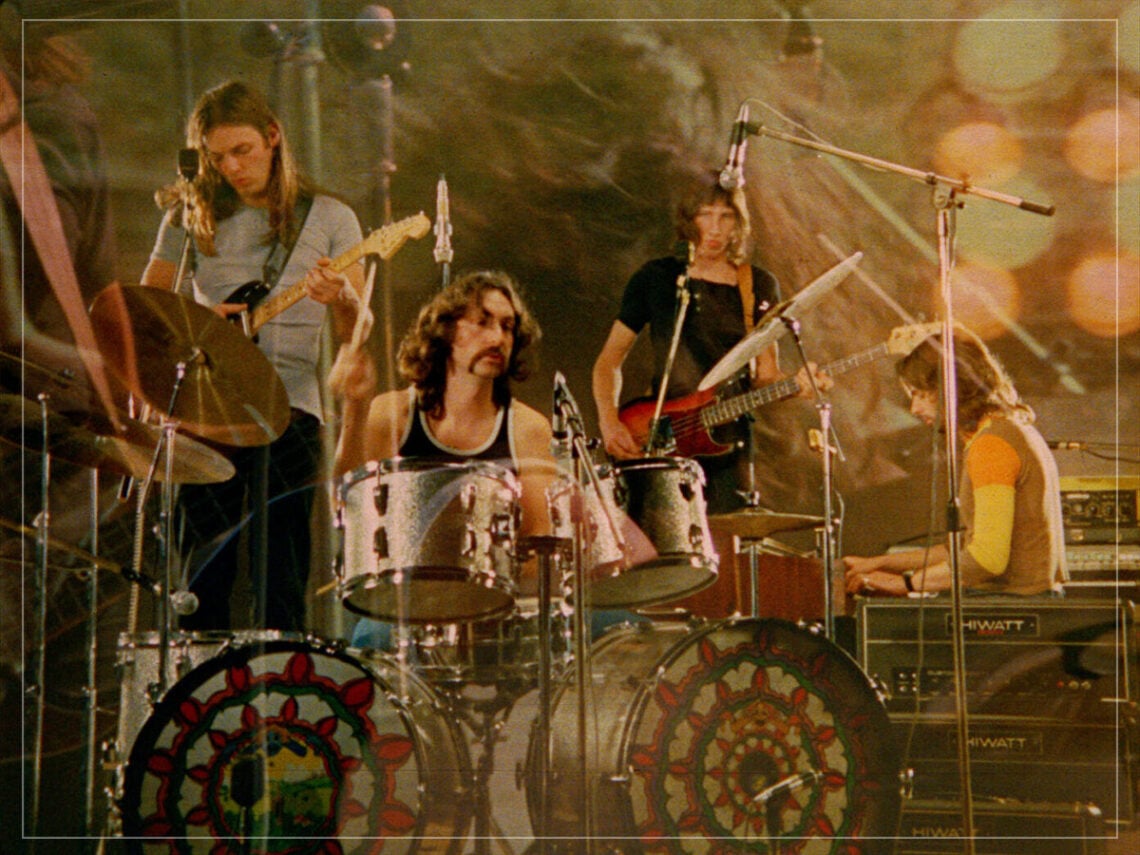
“Not a collection of great singles”: The Pink Floyd album their record company hated

It’s the same old story for everyone from Pink Floyd to The Carpenters. Record labels just don’t seem to actually understand what kind of bands they have on their roster. I mean, not so much anymore when bands sign record contracts about as often as their drummers get their songs recorded. In the heyday of the 1960s and 1970s, however, when rock ‘n’ roll ruled the airwaves, stories of record labels signing bands then blowing a gasket when those bands did everything the label signed them to for were dime-a-dozen.
Perhaps this speaks more to problems within the industry than anything else. After all, the way it often works is one person who works for a label advocates for this weird, promising indie band. They chance their arm on getting them a record deal, then let’s say that miracles happen and that band breaks into the mainstream. High fives all around, right? A gold record for your living room, a big, fat bonus and hot and cold running cocaine for any and every orifice you might prefer?
Well, that might be the case for a brief moment. The truth is, though, that when a band hits the big time, the people who brought them into the label are suddenly a little too small-time for them. The folks the band start to work with are no longer the people who care about them and understand them, but with the people higher up who probably lost all actual understanding of music years ago.
Suddenly, you’re working with a bunch who’ll listen to your artfully constructed concept album stacked with unforgettable songwriting, boundary pushing musicianship and incisive, haunting lyrics and shout “who is this for?!” the way that all people who fundamentally don’t understand art do. All you can hope is that they’ll push it out anyway with the prayer that your die-hard fans pick it up, and it becomes one of the biggest rock albums ever. Sounds like a long shot, but hey, it worked for Pink Floyd.
Which Pink Floyd album did their record label hate?
Even then, the biggest argument that Pink Floyd had with a record company came after Dark Side of the Moon made them arguably the biggest band in the world. It came after Wish You Were Here and Animals. Presumably, it came after their label got wind of the band’s desire to make an album entirely out of household noises. They would have been working with the headest of honchos at their record labels for the entire decade, yet still, the hardest sell for Floyd came when they brought them The Wall.
In an interview with Record Collector conducted in 2000, drummer Nick Mason elaborated on the process of bringing The Wall to CBS, their label for US releases. In fairness to the lad, he does say that, “We all thought The Wall was pretty far out”, which isn’t inaccurate. We know it today as one of the most beloved albums of all time, but they didn’t back then, and the suits let the band know this with no filter.
He goes on to say, “We played it to a group of CBS execs in America, at least one of whom said, ‘This is terrible, what are we going to do?’ I certainly was a bit worried at some of the orchestral stuff, like ‘Bring the Boys Back Home’. But you have to be into the whole concept of The Wall. It’s not a collection of great singles like Fleetwood Mac’s Rumours or Sgt Pepper’s.”
Thankfully, Floyd had the clout to override even suits at that level, and had the last laugh when The Wall wasn’t just a hit, but the single biggest selling album of 1979. A sign, if one was needed, that when a rock group becomes massive by being epic, progressive and artistic, you should just let them be epic, progressive and artistic, whether you get it or not.
