


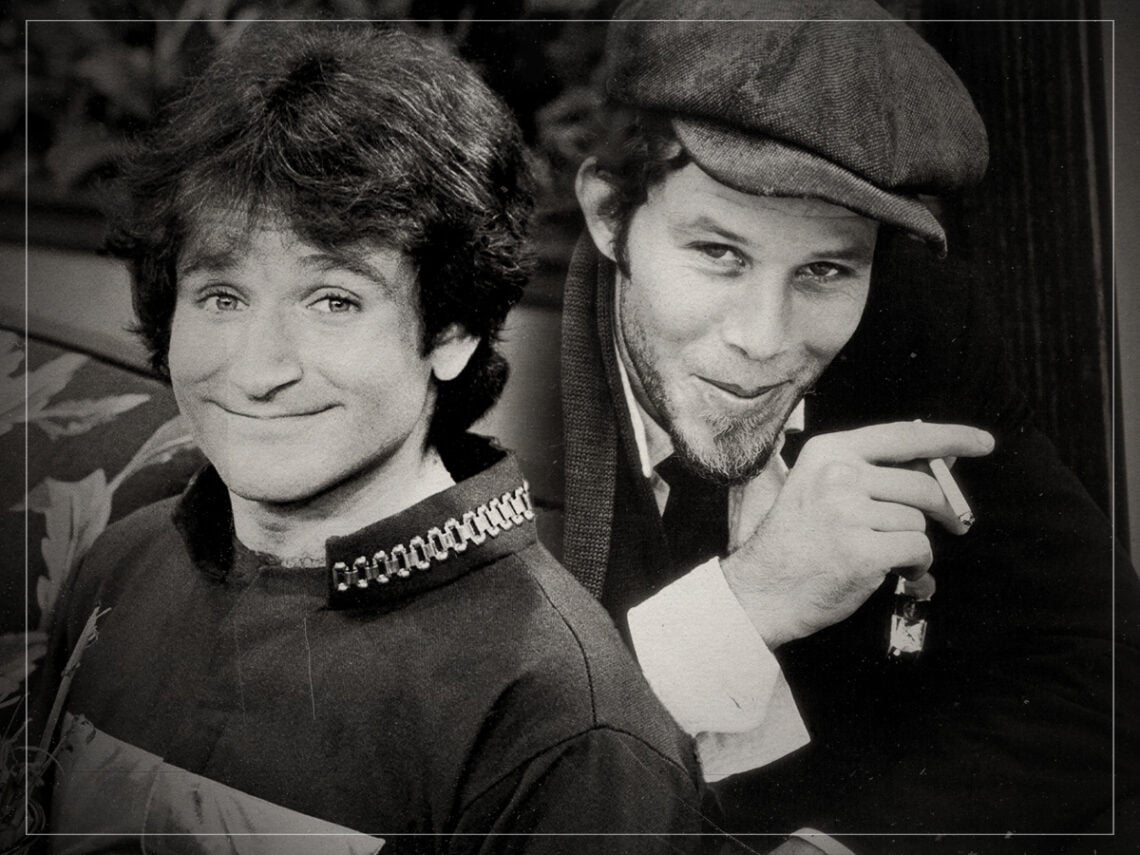
The parallel careers of Tom Waits and Robin Williams

There’s a scene in the 1991 Terry Gilliam film The Fisher King in which Jeff Bridges, the ‘straight man’ of the dark comedy, is standing in Grand Central Station with a dishevelled and delusional Robin Williams on his left and a philosophising, wheelchair-bound Tom Waits on his right.
Bridges and Waits were (and still are) LA icons, born three days apart in 1949, but the more interesting collision of worlds in this brief scene was that of Williams and Waits, two entertainers with extremely different vibes and instruments of delivery, but a lot in common, as well.
In the mid-1970s, as Waits was becoming the resident king of the Troubadour club in West Hollywood, Williams moved down from San Francisco to try and make some connections in the Los Angeles comedy scene, where the equivalent of the Troubadour for a stand-up comic was The Comedy Store, located a little over a mile east on Sunset Blvd. In the same way Waits had been spotted by record executive Herb Cohen at the Troubadour and signed to a deal, Williams was soon approached after a gig by a TV producer named George Schlatter, who gave him his break as an actor.
Both men were intense performers with strong, shielding personas (quite a lot of personas in Williams’ case), and it took a while for them to figure out how to best fit themselves into show business. Tom Waits’ early records were more in the Laurel Canyon singer/songwriter tradition and took major inspiration from the works of Charles Bukowski, while Williams’ manic stage show was strongly inspired by his comedy hero Jonathan Winters.
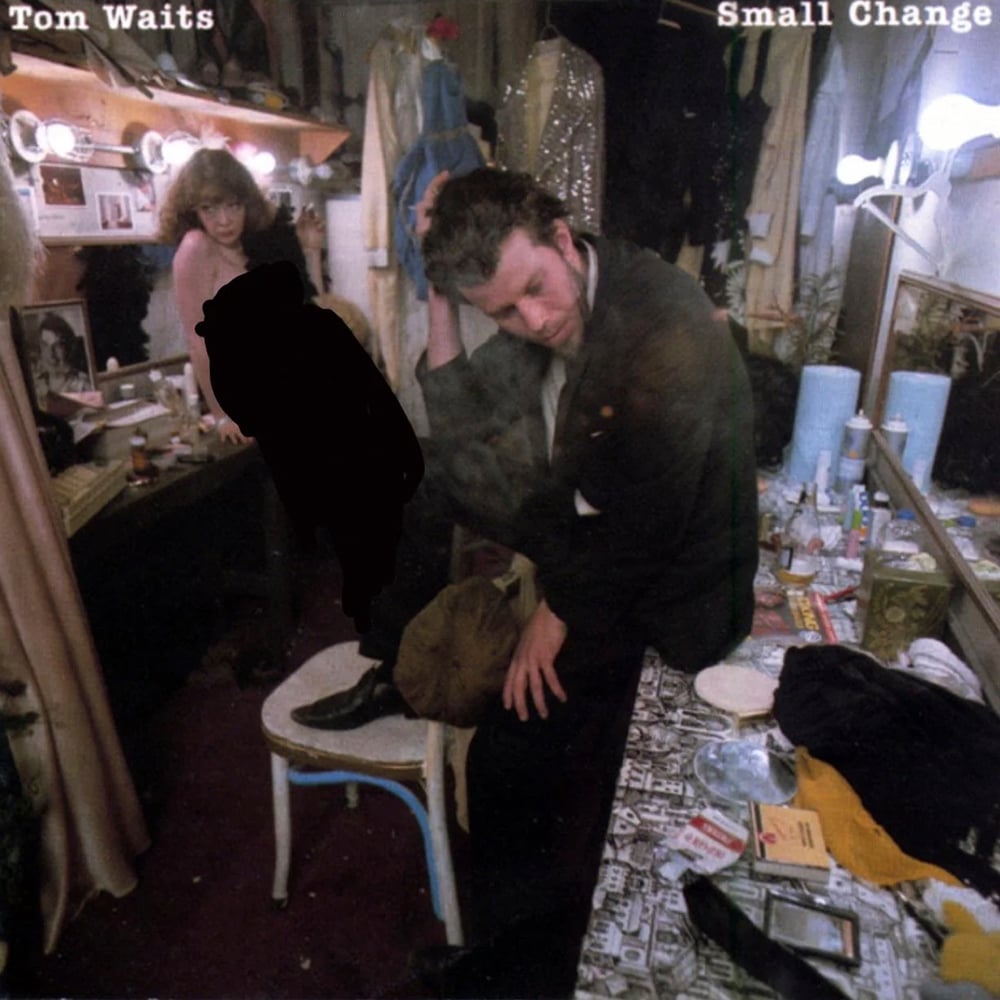
As the two reached a wider national audience in the late ‘70s, they began to find their own voices, albeit one considerably huskier than the other, and both men were featured on the cover of Rolling Stone magazine, one for the success of his breakout album Small Change, the other for the sitcom Mork & Mindy.
At the same time, both became increasingly dependent on alcohol and drugs, one in the sad romantic Bukowski style, the other in the fast-paced John Belushi style, but the results were similarly damaging, usually outside the public eye. In the early ‘80s, Williams released a series of comedy albums, and Waits started taking on acting roles, including several Francis Ford Coppola flicks, so for a brief moment, after several of Williams’ early forays into movie acting bombed, you might have guessed that Waits would end up with the better filmography. Then Good Morning Vietnam and Dead Poets Society happened, and Williams was suddenly a Hollywood A-lister, leading to his Oscar-nominated performance in the Fisher King, when his path finally crossed, ever so briefly, with that of Waits.
Maybe it’s too much of a stretch to compare Williams’ subsequent ’90s comedy blockbuster period to Waits’s increasingly experimental records of that period, but albums like the Grammy-winning Bone Machine and Mule Variations were actually among the most commercially successful of his career, selling far better than his early, more palatable folk material ever had. One consistent fan of his music was Robin Williams himself, who often mentioned Waits as one of his favourite artists.
“The best ballads ever written,” Williams said in 1999, before doing his best gravelly Waits impression, “and a voice that can stop traffic”.
Waits’s opinion of Robin, in turn, doesn’t seem to be a part of the public record, but he did clearly enjoy the experience of The Fisher King, signing up to work with director Terry Gilliam many years later on the 2009 film The Imaginarium of Dr Parnassus, by which point, he had finally gotten sober and turned over a new page in his life. Williams, sadly, went in the other direction, relapsing around this same time period.
While promoting Dr Parnassus, Waits was asked about the late Heath Ledger, who was supposed to star in the film before his own untimely death, and his response could apply just as easily to Robin Williams, who would take his own life in 2014.
“I was looking forward to working with him,” Waits said, taking a long pause, adding, “Time is transient. You think you’ve got a lot of it. Who knows how much time we all have left? Tick, tick, tick”.
