


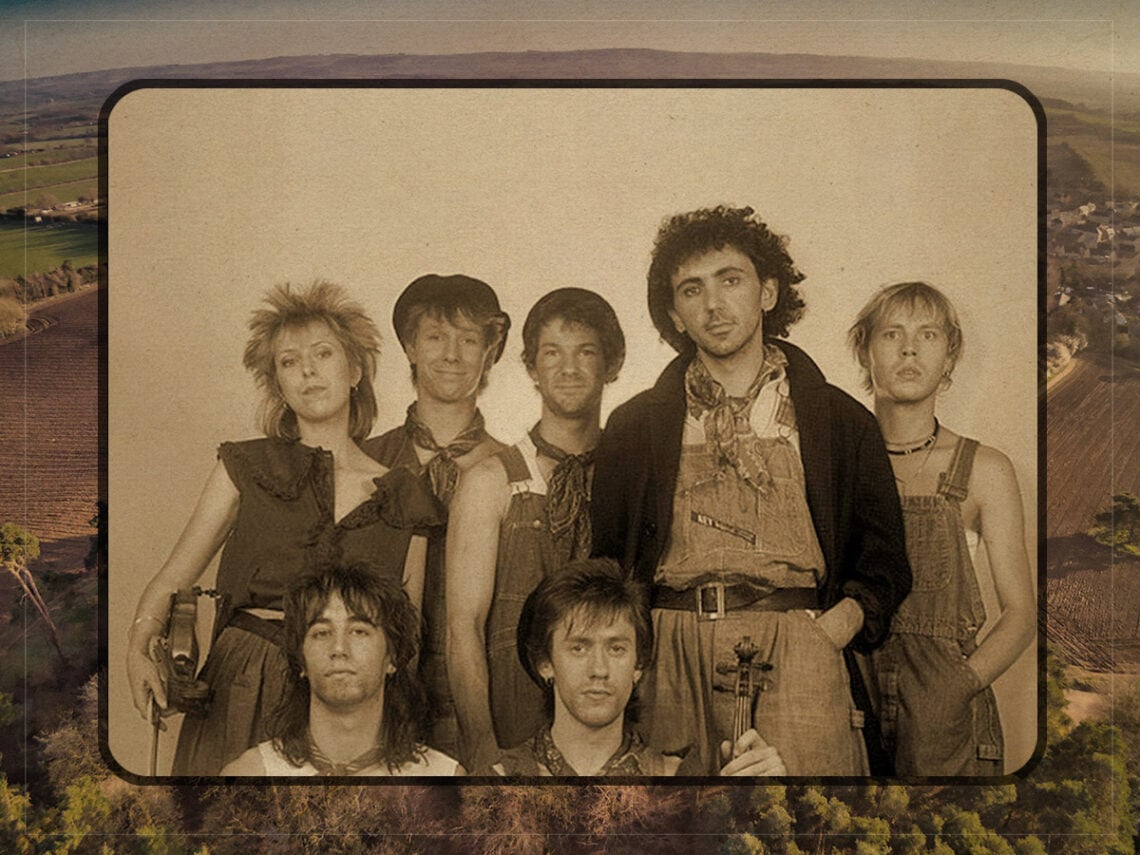
The Oxfordshire recording studio that Dexys Midnight Runners held ransom

For most bands, there isn’t a more vital, make-or-break situation to find yourself in than releasing your debut album, and for Dexys Midnight Runners, this was no different.
Wherever a band is on the scale of notoriety prior to releasing their first full-length record, making a good impression is essential for a group to be able to hit the ground running and use their early victories as a platform from which to grow. While those who are operating on a grassroots level might have considerably smaller expectations and only want for their record to be well-received by those who are exposed to it, those who are slightly higher up the food chain might have different expectations.
If you’ve got a label behind you, things are arguably even more crucial due to how a poor performance might see you lose your deal, and therefore all the traction you had previously built up. After all, the label is doing you a favour by providing you with a financial advance to be able to make a record in the first place, and will be paying you a share of revenue generated by record sales afterwards, so you can earn money through your craft.
But what if your label were seemingly standing in the way of you reaching your full potential and arguably sabotaging your hopes for a release that you know has the capacity to reach the highest level? This is a far more common situation than one might expect, and something that Kevin Rowland and the Birmingham band encountered early on in their career.
Dexys felt as though this was the case with EMI, who they were signed to for the release of their 1980 debut, Searching For The Young Soul Rebels. The label had caught onto the group’s novel brand of post-punk mixed with a soulful flair early on, and recognised that there was potential in their music to perform well, although perhaps not to the same degree that the band believed they were capable of.
Recorded separately to the rest of the debut album, its lead single, ‘Geno’, was climbing up the charts and eventually found its way to number one in the UK in April of 1980, but despite the incredible performance of this track, there was a considerable amount of turbulence emerging from the Chipping Norton Recording Studios in Oxfordshire, where they were frantically laying down the rest of the record.
Given how well ‘Geno’ was received, Rowland felt as though the terms surrounding the record deal they’d agreed with EMI were insufficient, and that they deserved more from the label if they were going to be given the chance to profit from its sales. Desperate to get something more out of the label before they had a chance to put it out, Rowland decided to threaten to hold the studio tapes to ransom until they were able to reach an agreement.
After EMI initially declined, Rowland proved that this was no empty threat, and so he and two of his bandmates decided to sneak out of the studio on the last day of mixing without producer Pete Wingfield noticing, taking a carton of the magnetic tape on which the album had been recorded with them, before hopping into a getaway car and bombing down the road to Birmingham.
According to the account of trombone player Jim Patterson, it was a high-risk situation that even they weren’t confident was the right thing. “I sort of dived in the back of this car and just took off with police cars chasing us,” he later recalled. “Being chased by police cars up the A40 at 90 miles per hour is not my idea of fun.”
EMI would eventually concede defeat and relented to the band’s demands of having all of the members on the contract rather than simply the three core members, and increased the share of royalties that they were previously offered as part of their deal. It may have been a dangerous strategy, and one that almost went horribly wrong a second time after the band supposedly almost demagnetised the tapes when returning them to the label via the London Underground, but ultimately, the success of the album paid off for all parties involved, with their elaborate Oxfordshire heist being part of the album’s storied history.
