


The 10 worst ‘Best Picture’ winners in Oscars history

Every now and again, you’ll find yourself facing someone else’s dusty DVD rack and think to yourself, ‘Dear me, this is the most tragic assemblage of footage I’ve ever seen since I googled ASMR to find out what it was’.
Movies are indeed highly subjective, making the annual decision of ‘Best Picture’ at the Oscars something of a farce in and of itself, for, in a year of excellent horrors, action flicks, romantic epics, dramatic rollercoasters and more, how can you pick one singular ‘winner’? It is a task almost akin to picking a ‘Best Meal’ served anywhere in the world one arbitrary tuxedo’d evening.
As a result, sometimes the choices for ‘Best Picture’ seem more off the mark than a poorly thought-out apology video, with the Academy giving praise to films few people liked or even saw at all. Having been in the business of picking the best film of the year for almost a hundred years, it’s almost inevitable that they would have had a few slip-ups, with some years feeling as if they closed their eyes and tossed a dart at a wall of movie posters.
Such an ethos has resulted in some significant movies missing out on the industry’s most gleaming prize over the years. Martin Scorsese’s gangster flick Goodfellas lost to Dances with Wolves in 1991, Francis Ford Coppola’s iconic war epic Apocalypse Now came second to Kramer vs. Kramer in 1980, and Citizen Kane, which is often cited as the greatest movie of all time, failed to beat out How Green Was My Valley in 1942.
In each of those cases, one film is presently remembered as a vital, timeless classic, and the other is remembered as a film that beat a vital, timeless classic to ‘Best Picture’. Will the same mistake be made this year? The odds certainly aren’t stacked against it.
Thanks to a lengthy record such glaring snubs, below we’re taking a look at the worst ‘Best Picture’ winners that those fateful little envelopes have ever spewed out.
The Oscars’ 10 worst ‘Best Picture’ winners of all time:
‘Everything Everywhere All At Once’ (Daniel Kwan, Daniel Scheinert, 2022)
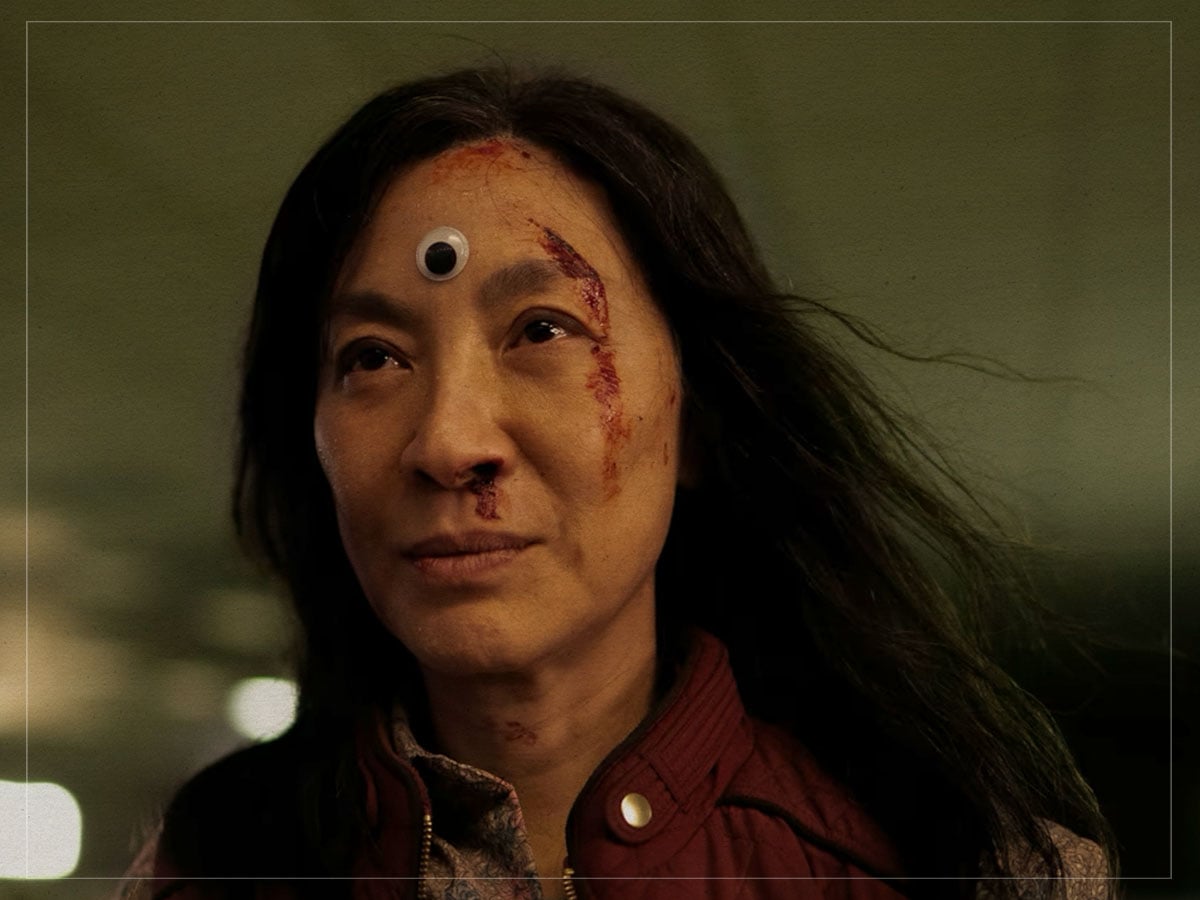
This utter chaos-fest seemed to represent not only a decline in cinema standards but also a general indication of the globe’s lowering cognitive function. Every scene seemed to be less than 10 seconds long and contain at least one tiring butt-plug joke. While there’s nothing wrong with making movies for manic teenagers – after all, manic teenagers need their movies – but surely they should have their own Lynx-sponsored awards ceremony?
A24 has a habit of producing movies that can be dismissed with the David Brent-like quipp of, ‘Ooh, you’re a bit quirky’. And Everything Everywhere All at Once typified that to an nth. The ambition was perhaps creditable. But the outcome felt as frustrating as watching a bee trying to exit a room via a closed window.
A lot of people might like this movie, but I’ll be damned if they’ve had a shower this week or sex in the last decade.
‘The English Patient’ (Anthony Minghella, 1997)
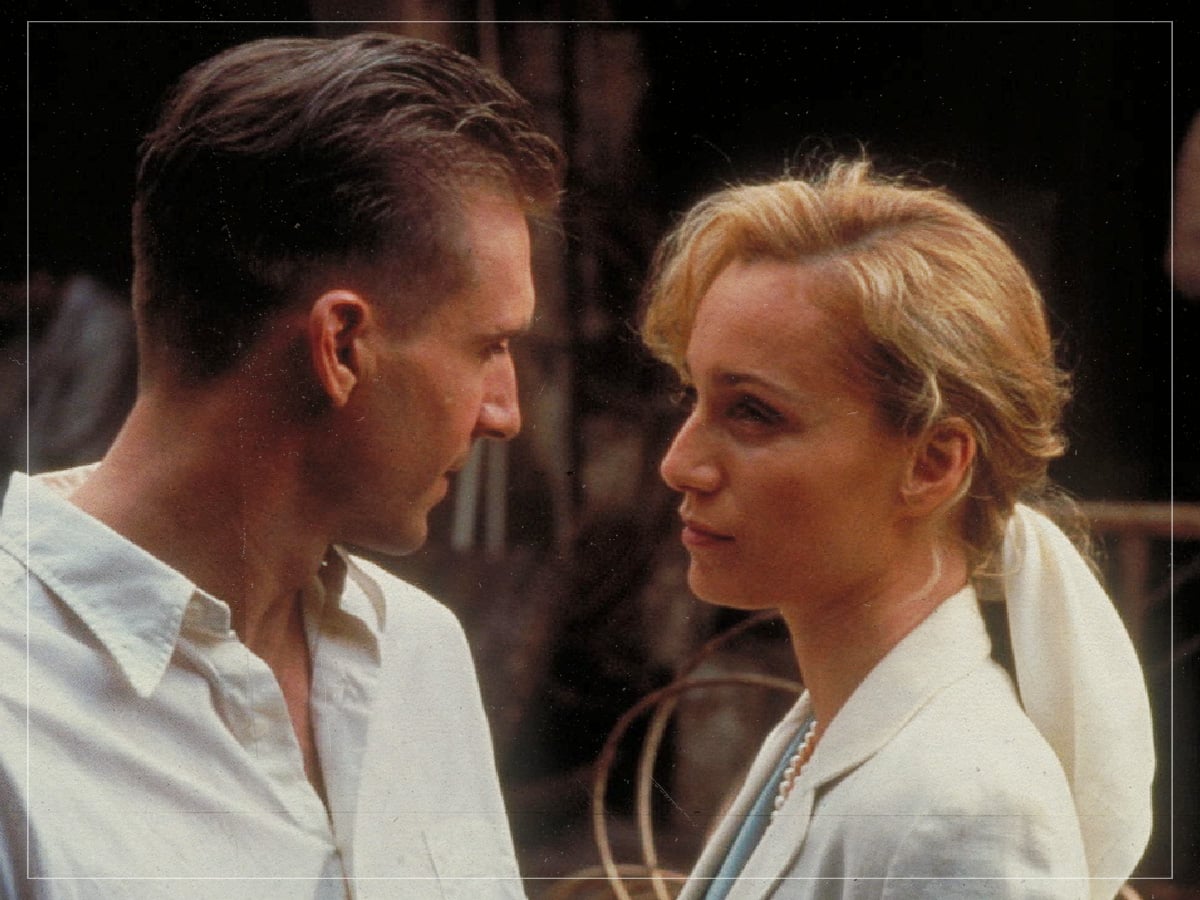
Much like Shakespeare in Love, which is mentioned further down on our list, The English Patient is perfectly fine, but if you think it’s better than the Coen brothers’ influential crime caper, Fargo, then you best contact a doctor.
When films like The English Patient win ‘Best Picture’, it is worth remembering the history of the Oscars for some context: Hollywood, as we know, was the invention of an all-conquering turn-of-the-century American immigrant who saw a chance to make millions from the growing art form of cinema, and then his all-conquering commercial wave met with the stiff upper lip of Palm beach. The pratfalls were ditched in a bid for respectability, and the Academy Awards was born in a bid to make cinema a highbrow pursuit full of very serious ‘stars’.
This affrontery of respectability has been worn ever since. You’d be mad to think that Fargo’s leg-in-a-woodchipper antics were less entertaining than The English Patient, but if you were a betting folk, then you’d take a punt on The English Patient from the title alone. That gives the 1997 win the uncomfortable air of a rigged election. Would this film exist without the Oscars?
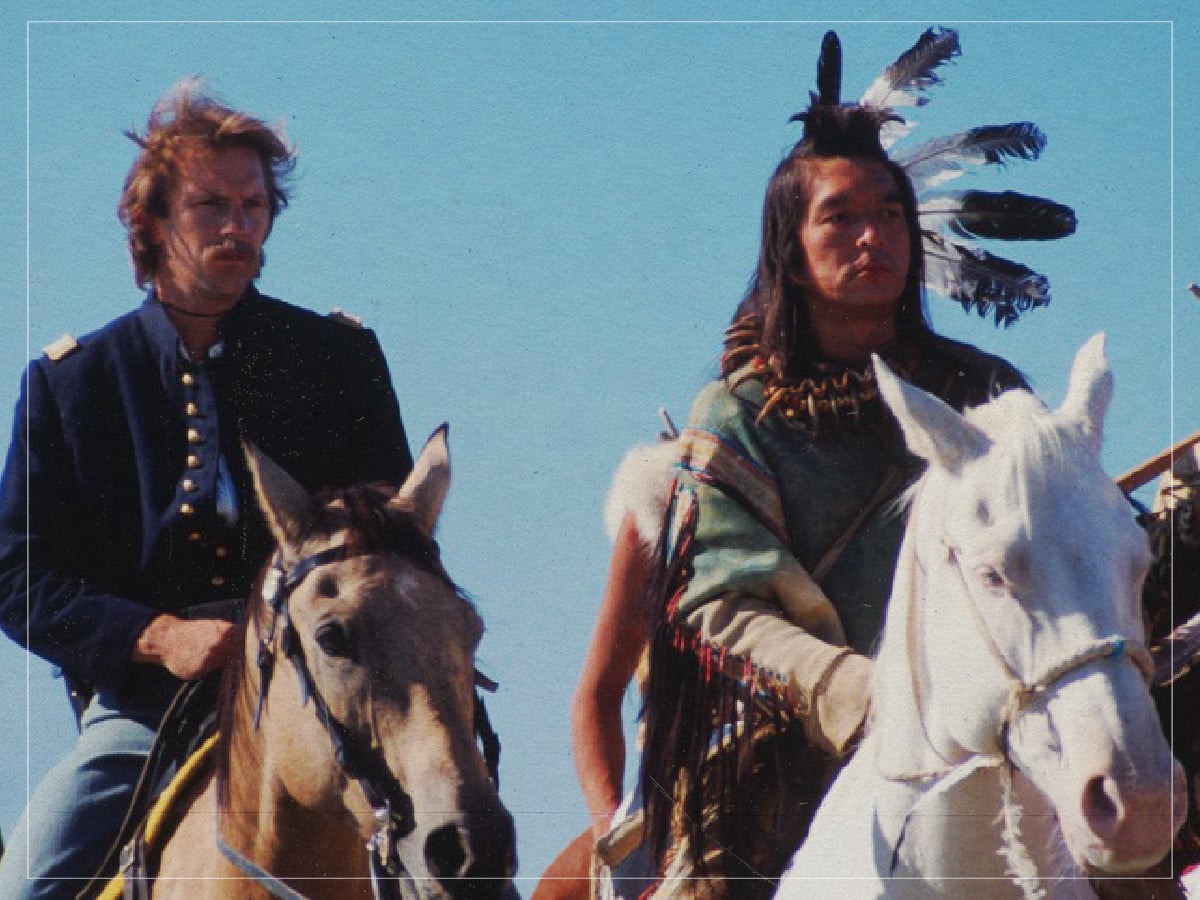
‘Dances with Wolves’ (Kevin Costner, 1991)
Historical films are always a hit at the Oscars; they have no choice but to take the past seriously. In the last 50 years, 17 ‘Best Picture’ wins have been based on real events.
The poignant nature of confronting the past is something that sets itself up to be revered. However, when the history that is tackled is later ridiculed for inaccuracies, it can leave the Academy with pie on its face. Historical portrayals don’t always have to be textbook; an ethical judgment call can be made on whether there is room for the narrative to wiggle, provided it is done judiciously. Still, taking liberties on the atrocities that Native Americans suffered through is far from ideal.
Starring Kevin Costner, who also takes responsibility behind the camera, the film tells the story of Lieutenant John Dunbar, who befriends wolves and Native Americans during the Civil War. In the end, it feels like sentimental propaganda more so than a meaningful movie.
‘Green Book’ (Peter Farrelly, 2018)
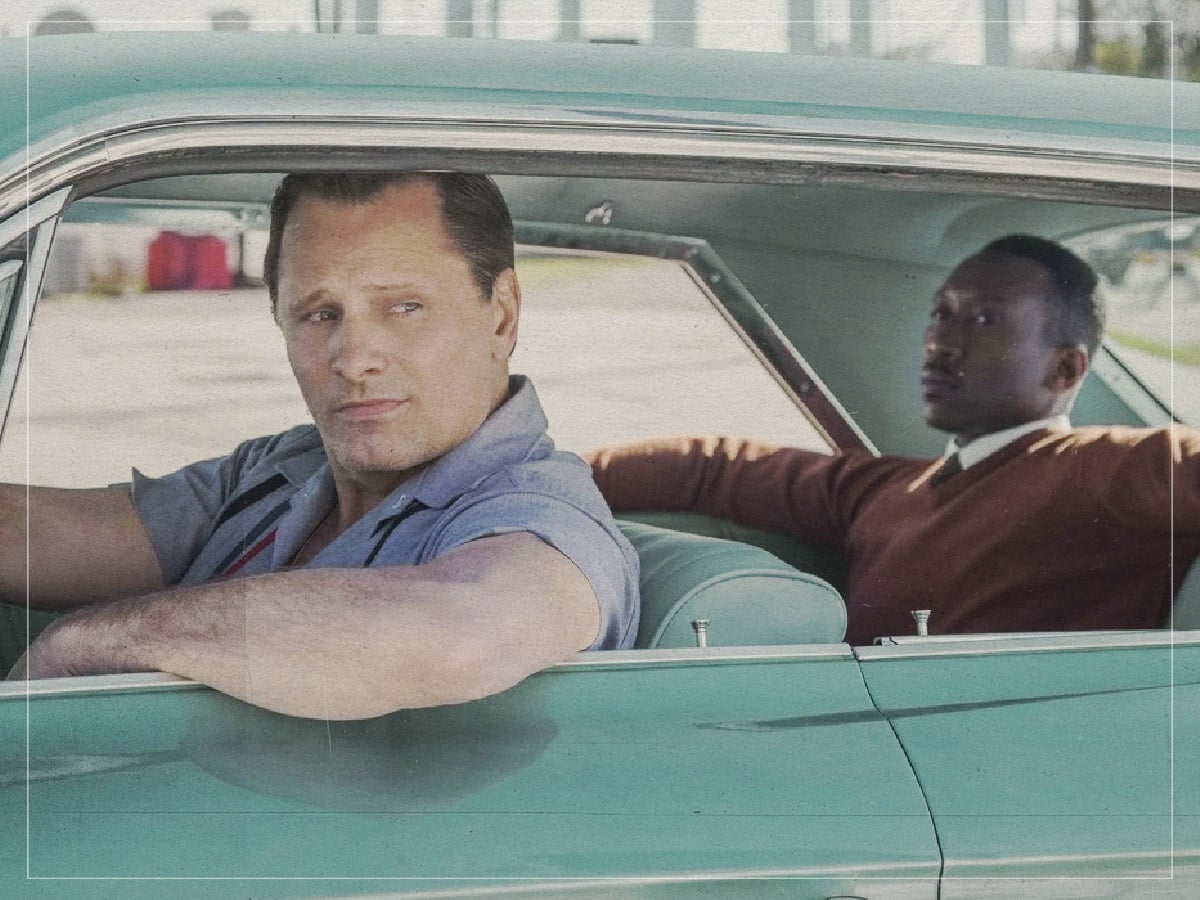
One of the worst ‘Best Picture’ winners of the 21st century, Peter Farrelly’s whitewashed Green Book felt like a consolation nomination when it was listed among the ‘Best Picture’ hopefuls, only to take home the award to everyone’s surprise.
Beating out such films as BlacKkKlansman by Spike Lee and The Favourite by Yorgos Lanthimos, the victory of Green Book felt totally unjust in a year of far better movies. With a decent enough cast that includes Viggo Mortensen, Mahershala Ali, and Linda Cardellini, Farrelly’s film simply doesn’t live up to the promise that the Best Picture label promises, delivering a weak allegorical story about race that is overshadowed by modern efforts.
When Lee heard the news that the film had won ‘Best Picture’ ahead of his own movie, he quickly proclaimed, “I thought I was courtside at the [Madison Square] Garden, and the ref made a bad call.”
<strong>‘</strong>Around the World in 80 Days’ (Michael Anderson, 1956)
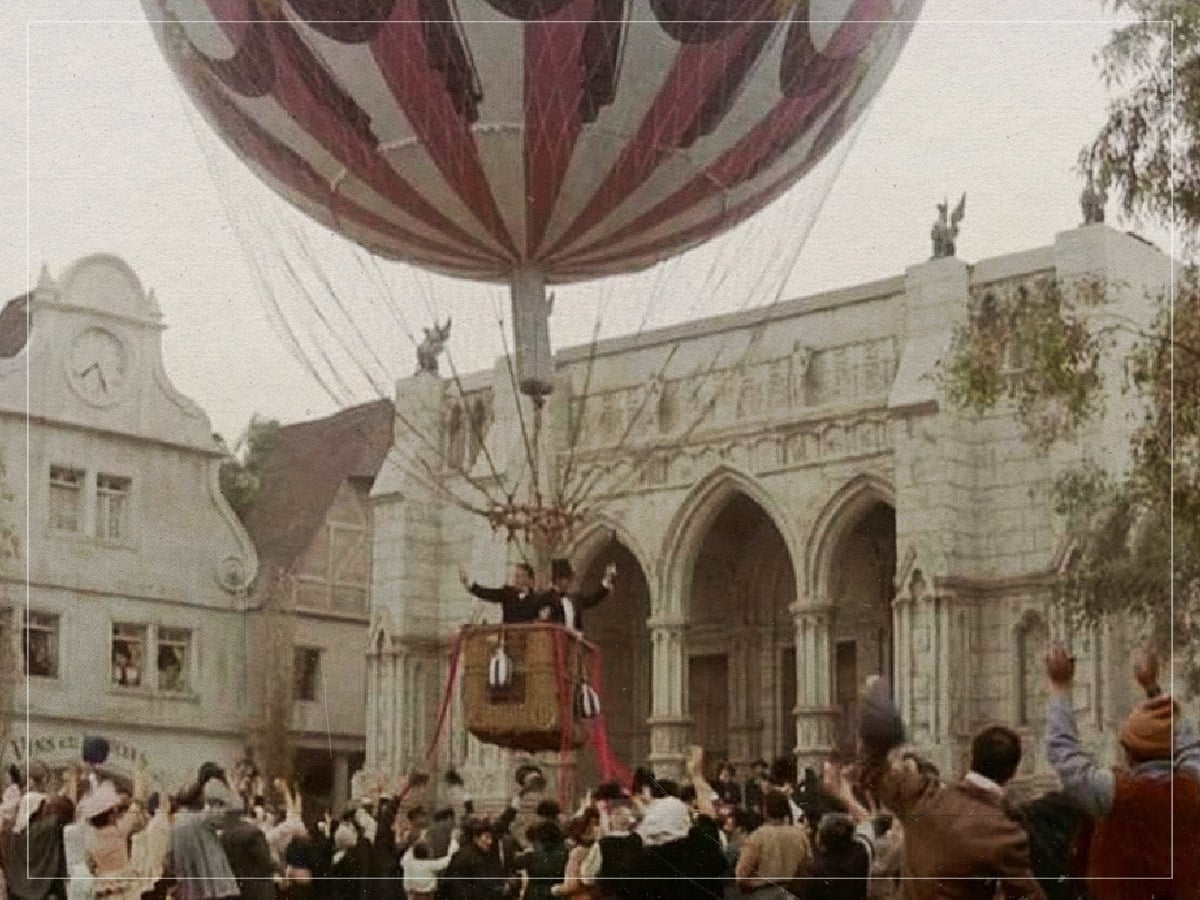
No, not the 2004 comedy featuring Owen Wilson, Jackie Chan, Arnold Schwarzenegger, Steve Coogan and Kathy Bates, we’re talking about the original 1956 film that somehow walked away from the 1957 Academy Awards with a ‘Best Picture’ win under its belt.
Based on the book by Jules Verne, the story follows a Victorian Englishman who bets that he can circumnavigate the globe in 80 days, thanks to the contemporary development of steamships and railways. Starring an eclectic cast of Hollywood icons, including David Niven, Trevor Howard, Buster Keaton and Frank Sinatra, the movie was celebrated at the time but seems totally underwhelming in hindsight.
Its ‘Best Picture’ win is made worse by the fact that the middling film beat out Cecil B. DeMille’s The Ten Commandments and George Stevens’ Giant for the top prize. In short, it is a fun enough watch, but it has the icky feeling of the Academy simply wanting to party with an upbeat Ol Blue Eyes afterwards.
<strong>‘</strong>Chicago’ (Rob Marshall, 2003)
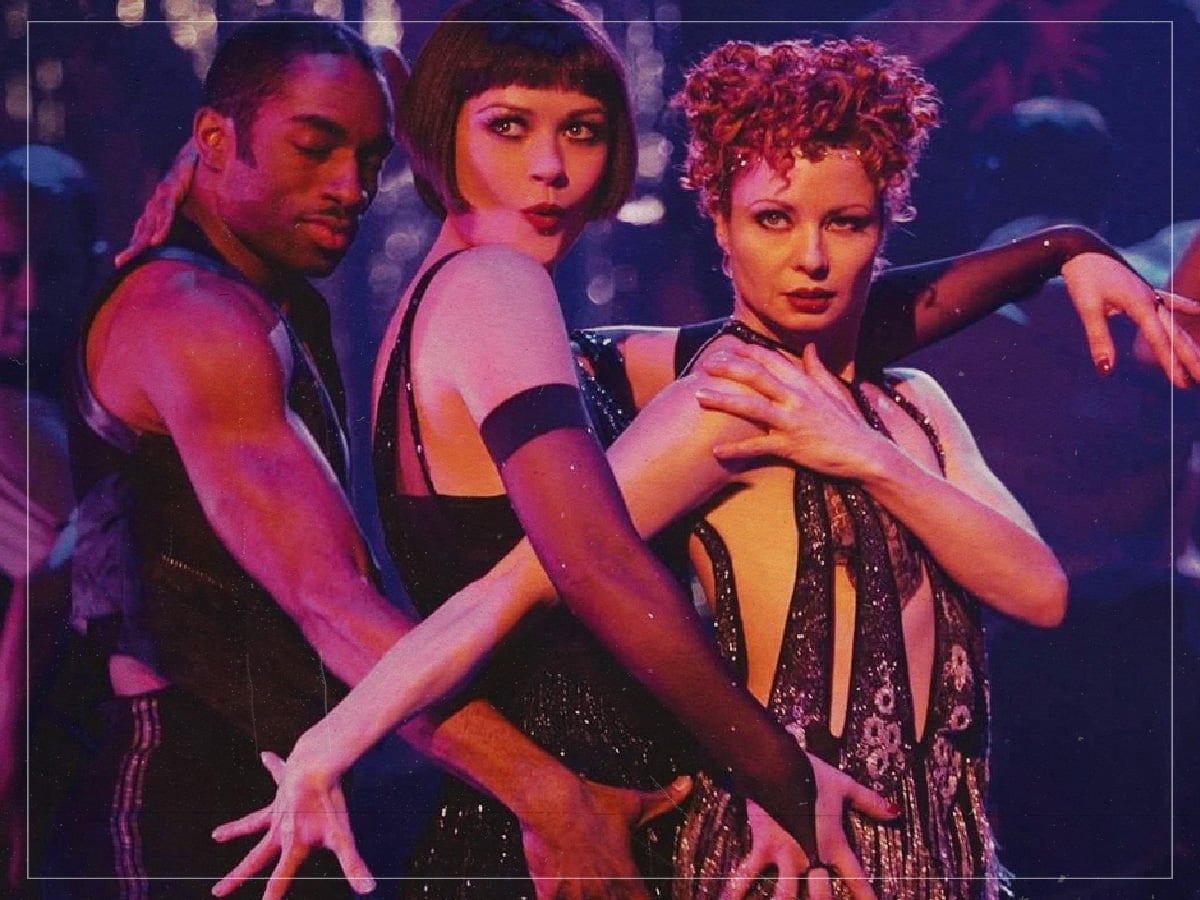
If Chicago snatched a win during Hollywood’s camp golden age, then that would’ve been fair enough, but this was released in 2002! At this stage, was singing, dancing and cinematic Edam really merit-worthy?
If anything, this win, more so than any others, epitomises the problem with awards. Over the years, films like Stalker and Apocalypse Now have pushed their creators to their artistic limits, even to the determent of their health, broken new ground in cinema and left a seismic impact on the art form, but because Chicago is some geriatrics golden age wet dream, it has a ‘wonderful night out at the biggest party of the year’ written all over it.
Admittedly, judging cinema is very subjective, and Chicago may just not be our cup of tea, but you’d be very hard-pushed to argue that it did anything to reinvent the wheel. In fact, it prided itself on being a proverbial penny farthing (but with a ‘sexy’ edge).
<strong>‘</strong>Crash’ (Paul Haggis, 2004)
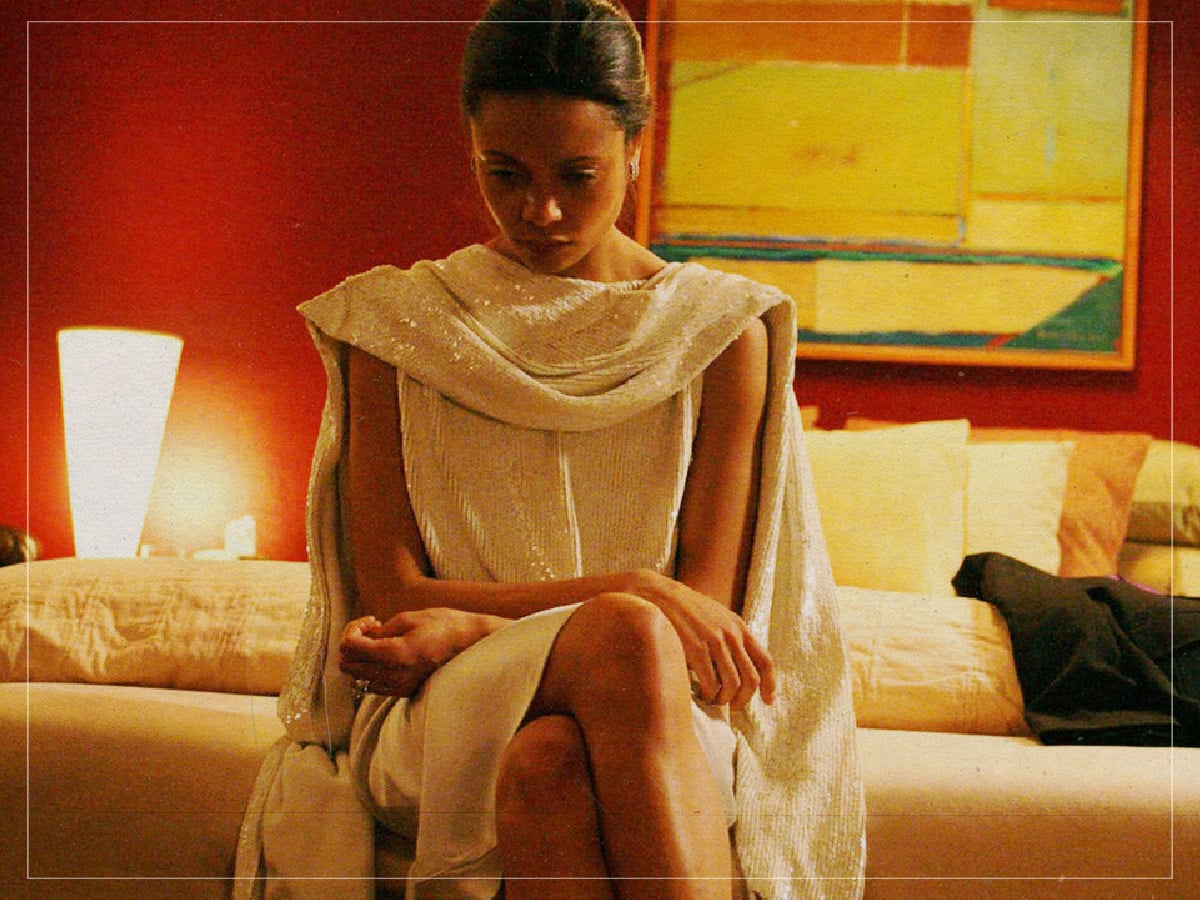
The restraint it takes not to succumb to the blatantly obvious derogatory pun of calling this movie a car crash is comparable only to the film’s ability to steadfastly avoid the social disparities that it sets out to tackle in the first place. It is the cinematic equivalent of a piece of homework on social studies that didn’t read the source material, so just chocked the essay full of a lot of ‘very, very, verys’.
Pulling together an anthology picture is inherently a difficult task. Babel pulled it off two years later; unlike Crash, it embraced the format to cover more ground. Paul Haggis’ film, on the other hand, reaches for more ground than it is capable of and, in the process, not only spreads itself thin but completely fractures under any scrutiny. While the topic it chooses has proven prescient, it’s not like you glean anything new from watching it.
<strong>‘</strong>The King’s Speech’ (Tom Hooper, 2011)
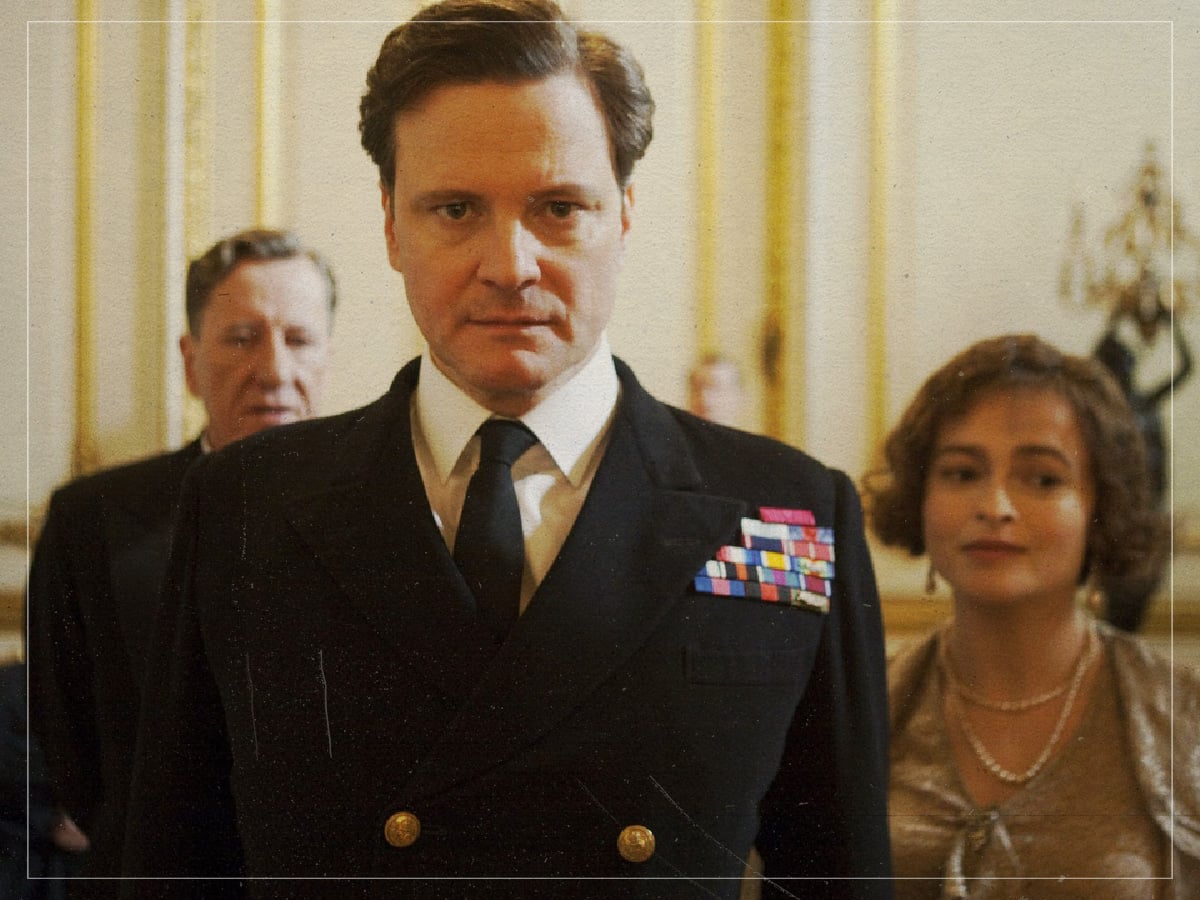
Even on paper, The King’s Speech sounds dull as dishwater to anyone who hasn’t got a subscription to Royal Weekly.
The classic story of overcoming adversity to snatch triumph from the jaws of fated despair is an overused cinematic story, but at least it is usually about somebody who has encountered more atrocities than an entire season of Casualty and not only lived to tell the tale but went on to win Wimbledon, Crufts and a Nobel Prize in the same year – all The King’s Speech has to offer on this front is one of the most privileged people in history undergoing speech therapy to deliver a few essentially unimportant words.
Once again, the acting is highly creditable, but aside from that, the whole thing seems almost like a parody of an Oscar-baiting film. On its inevitable journey to a triumphant speech, the only surprise the whole narrative offers up is that they managed to stretch it out over an hour and 58 minutes.
<strong>‘</strong>Birdman’ (Alejandro González Iñárritu, 2014)
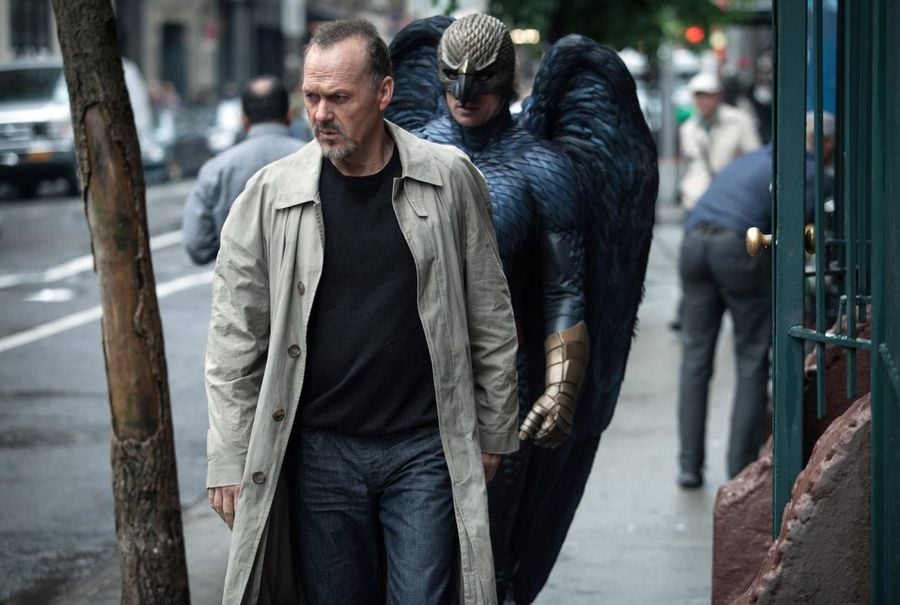
Birdman is impressive in the same sense that pairing the right wine with a fish course is impressive. The conceit of the film is that it invites you to marvel at the masterful prowess of the filmmaking without imparting anything other than a sheep dressed in admittedly fantastic garments. The skill involved is undeniable, Emmanuel Lubezki turns in some of the greatest cinematography work ever, and Alejandro G. Iñárritu gets a fine tune out of the entire ensemble.
But, it’s dialogue exchanges like: “If you weren’t afraid, what would you do to me?” to which Mike Shiner replies, “I’d pull your eyes out of your head… and put them in my own skull, and look around, so I could see the streets the way I used to when I was your age,” that really wears thin.
There is so much style on display, but any substance is riddled with trite pretence. The originality shown in the rolling-shot technique meets its inverse in a script that rolls out cliches like critics baying for big star blood and a humourless take on Raymond Carver’s blue-collar search for meaning in life. In short, like synchronised swimming, it’s very impressive, but what’s the point?
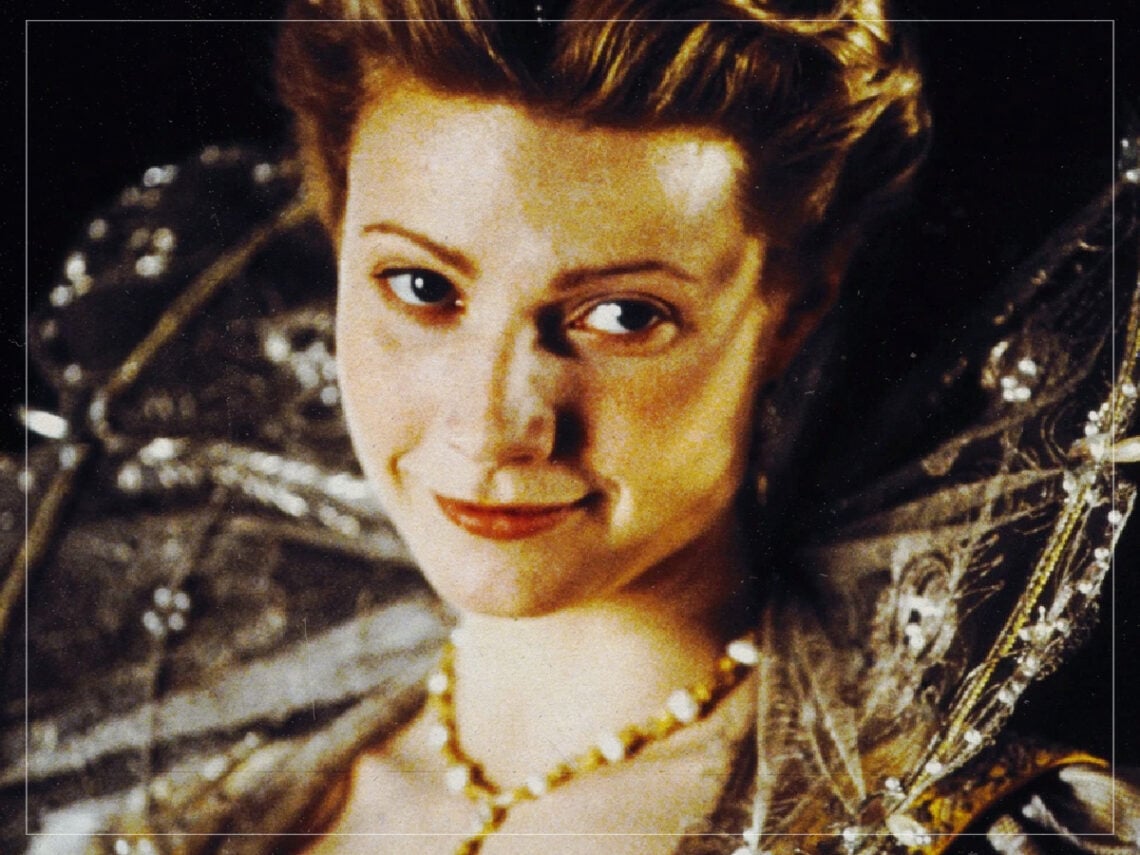
<strong>‘</strong>Shakespeare in Love’ (John Madden, 1999)
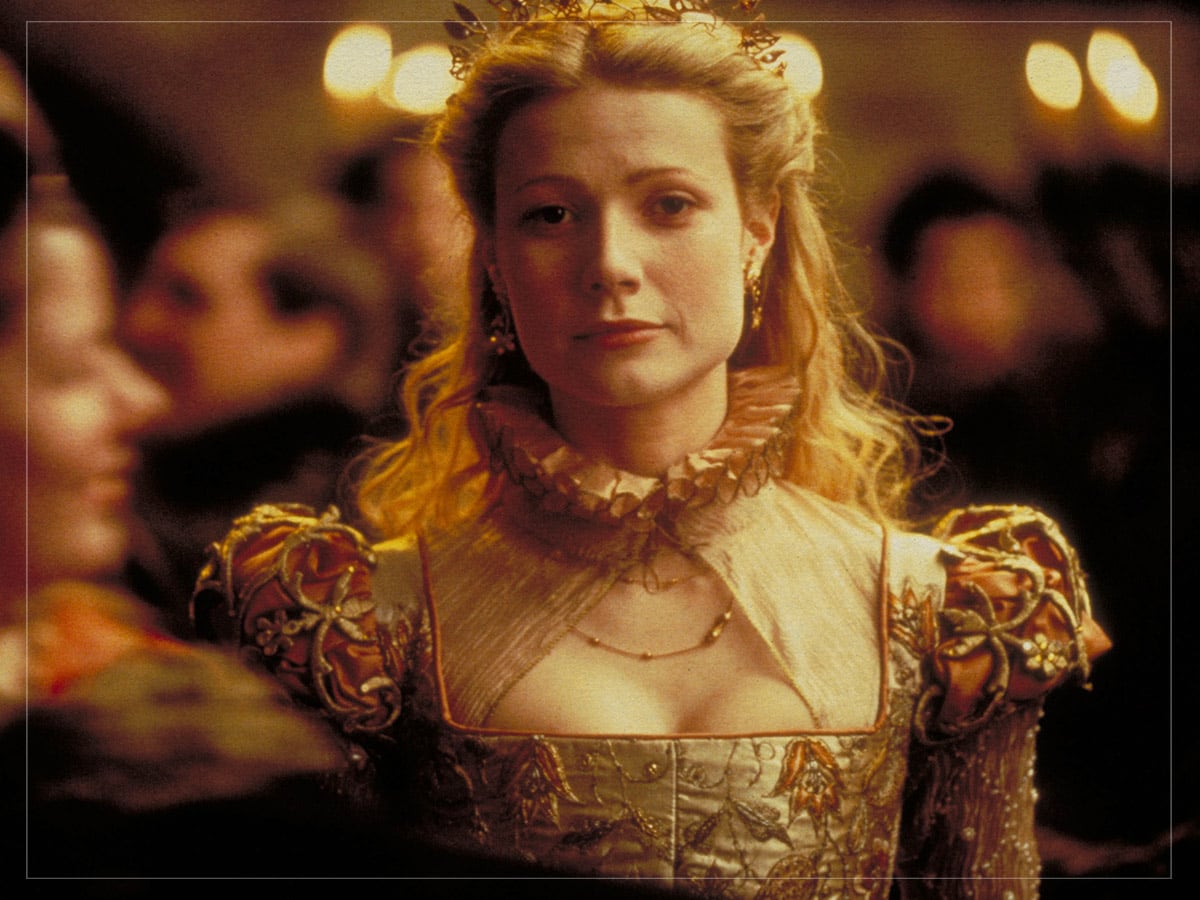
Shakespeare in Love is another impressive film, but boy, would you loathe to meet the person who says it’s their favourite.
Surely the point of movies is to be effective enough to invoke such an emotional response that they transcend the silver screen and enter people’s lives as a boon to the grind. Shakespeare in Love is not what you’d term a ‘terrible movie’ by any means, but Lord help the soul who has a poster of it on their wall.
In 1998, the two main films in competition were Saving Private Ryan, and Life is Beautiful, with cult classics like The Big Lebowski not even nominated. All three of those films make Shakespeare In Love seem about as memorable and affecting as a cheese sandwich. What, exactly, is the Academy championing here? It’s certainly not entertainment or originality? Do you simply have to be upper-middle class to get it?
