


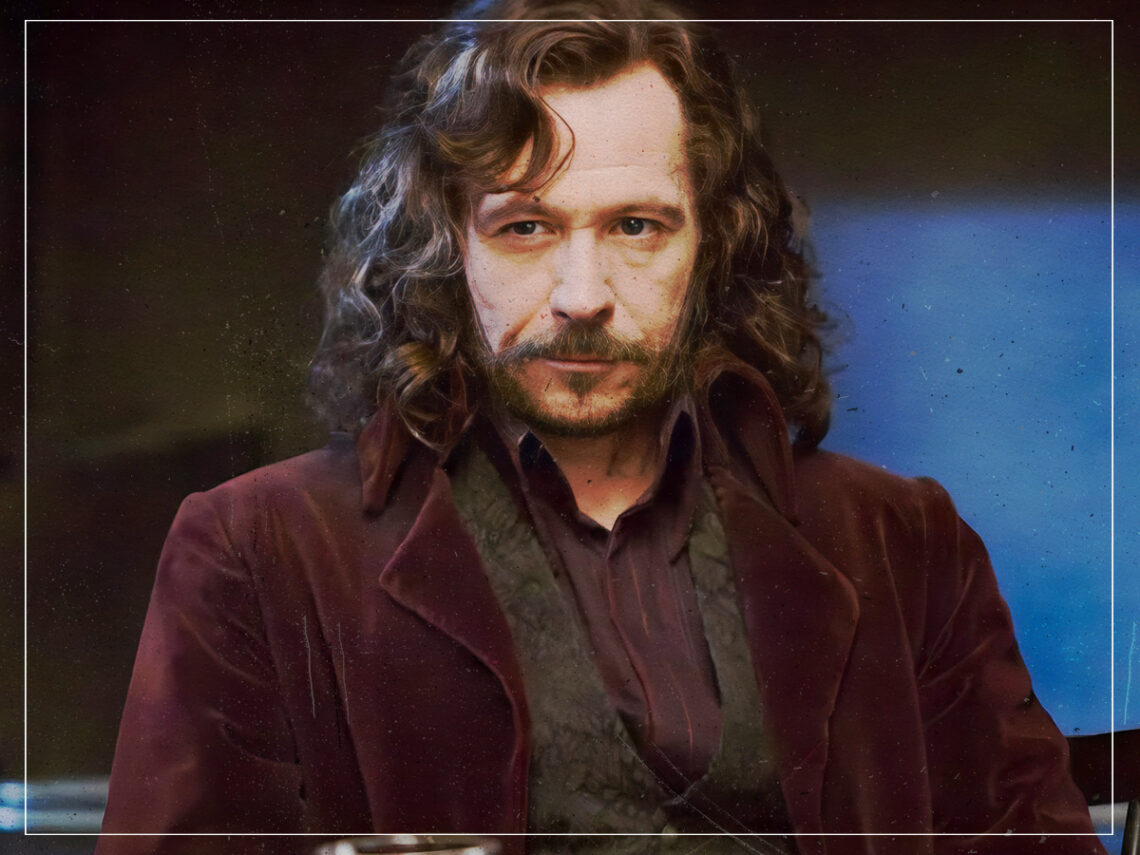
The Oscar-nominated role Gary Oldman almost quit: “You’re a fraud”

There is a lot to like about Gary Oldman. The star has ground his way to the top not through being blessed with natural charisma or being chiselled by the hand of God into a matinee idol, but through sheer determination and talent. This has meant that he is, more often than not, considered to be one of the finest actors the British Isles have ever delivered to the world stage.
Having started life in south London’s new Cross, Oldman devoted himself to being a complete performer, able to reach seemingly unattainable highs as he was plundering the depths of human depravity, all in the name of a showstopping moment on stage or screen. This has not only garnered him fans but a Knighthood, as the British crown has bestowed the honour for his services to acting.
From his TV debut, where he starred in the Mike Leigh drama Meantime, Oldman has continually and consistently been a favourite of cinema’s most impressive filmmakers, later appearing in Stephen Frears’ Prick Up Your Ears, Oliver Stone’s JFK and Francis Ford Coppola’s 1992 Dracula movie. His career has seemingly continuously gained momentum, only to launch him into the stratosphere towards the tail-end of the 20th century. By the new millennium, Oldman was a bona fide movie star, with roles in Harry Potter and The Dark Knight signifying his leap into blockbuster territory.
What is perhaps most enticing about Oldman is his seemingly humbled attitude toward work. Having dismissed his role in the Harry Potter movies as being somewhat inconsequential to their success, Oldman has often pushed himself forward as an actor of humility. This is perhaps no better shown than when he almost quit his Oscar-nominated role in Tinker, Tailor, Soldier, Spy for fear that he simply wasn’t good enough.
Oldman’s brush with stage fright
The reason Oldman was picked up for the role was simple, according to an interview the actor conducted for The Guardian: “They threw a few names around and then came up with mine, and I think Tomas became a bit obsessed with the idea. Directors do that sometimes; they get an actor in their head and can’t see it any other way, which was lucky for me. When we met, I said: ‘What is it? What do you see?’ And he said: ‘Your face, it looks like you’ve lived a bit. You’ve been through some stuff.’ I said: ‘Yeess! Oh yes'”.
But the star almost left the movie after being hit with a terrible bout of stage fright. “Yeah, I had stage fright on Tinker, Tailor, Soldier, Spy,” Oldman admitted to Josh Horowitz in a clip for Happy Sad Confused. By the time he made it to shooting, Oldman had enough faith in his work to be sure he could pull it off, but shared some dark moments before the lights went on. “Once I got on set, I was OK. It was the build-up to it.”
“I’d never really experienced it,” Oldman reflected. “In York [Samuel Beckett play] after 37 years, I was chomping at the bit to do it, and I don’t know whether it is nerves or adrenaline or whatever, it’s excitement. There’s a difference between being paralysed with fear, which stage fright is, and that. There’s a difference between that and being energised and excited to get out there.”
However, on Tinker, Tailor, Soldier, Spy, Oldman confirmed: “It was bone crushing. I wouldn’t want to experience it again. What had happened with it was that most of the time, and most of the role I have played, I have gone into them kicking and screaming.”
He didn’t mean attacking it like a lunatic, but instead delving into the round of “usual insecurities one goes through,” even noting that he was happy to put obstacles in front of himself before saying ‘yes’ to a role, “most of my roles I first turned down”. However, things were different this time.
“What happened with Tinker, Tailor was that I really did feel that this time i would get found out. You’re always waiting for the tap on the shoulder,” Oldman explained of the common feeling of impostor syndrome, “‘you’re a fraud'”. But it was Alec Guinness’ performance as Smiley which stopped Oldman from performing and nearly quitting, “The ghost of Guinness got into, and got inside my head and I thought ‘I am really gonna be found out and I am gonna fail miserably'”.
It deeply affected Oldman, “It got to me to the point where I couldn’t eat, I couldn’t sleep. It terrified me.” Thankfully, Oldman’s producing partner would step in and come to the set with Oldman on the first day to help him through his first scenes with Tom Hardy. When the actor got on set he soon realised “I know where I am, what’s all the fuss about?“
The movie would become a rich part of Oldman’s iconography, but perhaps more importantly, it would show the world that, despite being one of the greats, even people like Gary Oldman can feel the cold wave of panic when beginning a new job.
