


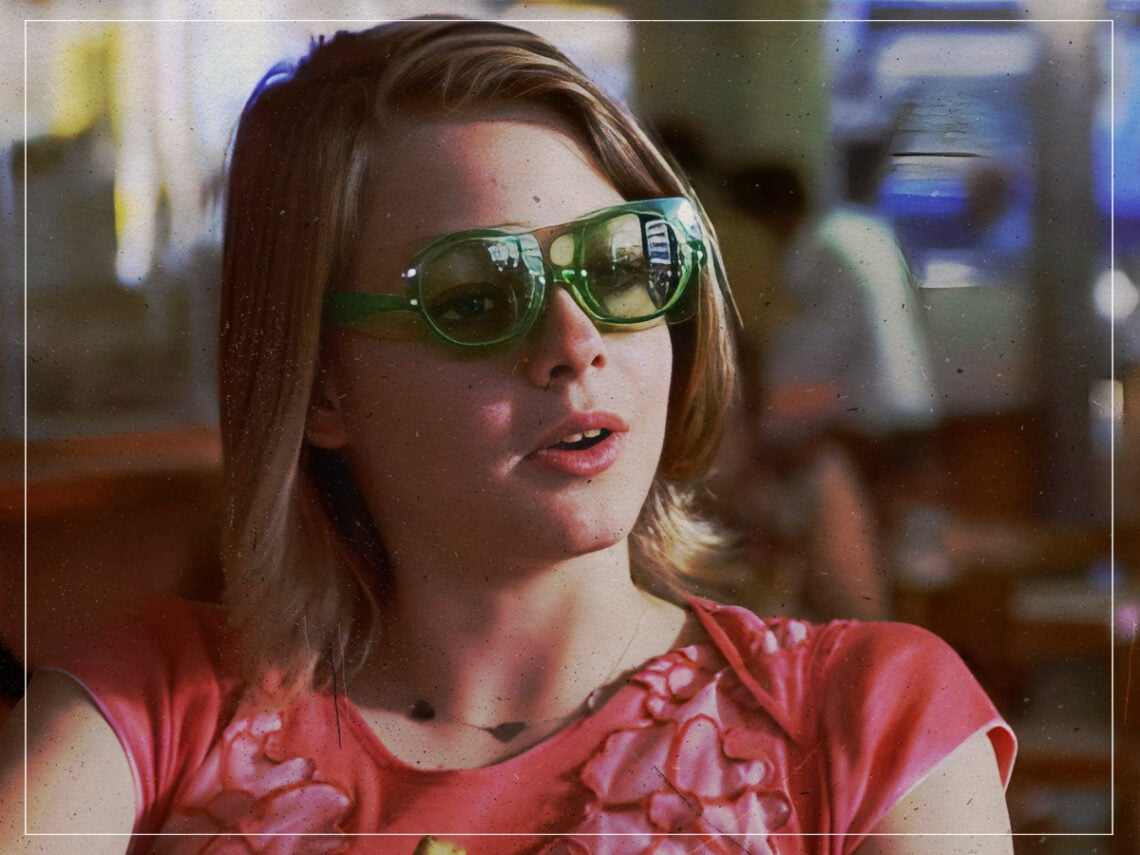
The one thing Jodie Foster has always hated about child actors: “That’s not reality”

If anyone is qualified to talk about the life and realities of being a child star, it’s Jodie Foster, who was barely sentient when she was first on camera, booking her first role at the age of three and has basically been working ever since, navigating the high highs and the lowest lows.
In particular, Foster’s career as a child star was sandwiched between two distinct eras, entering after the flood of the 1930s and ‘40s, where kids seemed to rule the roost as some of Hollywood’s biggest names. But she was before what would come next, when Disney Channel would take over youth culture, launching star after star for the teen audience and catapulting names like Miley Cyrus and Selena Gomez into the ether.
It is always an odd thing to witness these children being plucked from normal lives after being put through a chance audition by their parents, and suddenly, nothing is ever the same for them. By now, we’re well-versed in the typical trajectory of kids becoming stars young, peaking barely before puberty hits, and then they fall down one of two paths.
One path leads to disaster as so many people who got famous young end up crashing out as adults, struggling to make their career endure, falling victim to drugs or alcohol, or spiralling into poor mental health prompted by a youth spent unprotected from the insidious nature of the industry, and for that you just need to look at Amanda Bynes, or read Jennette McCurdy’s harrowing memoir, I’m Glad My Mom Died.
But the other path is a rare and golden one where we sometimes see child actors transition into powerful adult careers, of which Foster is the ultimate shining example.
There’s a pattern there, too, and it arguably all hinges on the decision that once threatened to completely ruin Foster’s career. “I hate the idea that everyone thinks if a kid’s going to be an actress, it means that she has to play Shirley Temple or someone’s little sister,” Foster said as the thing that frustrates her the most about child stardom, as if every kid merely has to play the cute and innocent little thing.
She did some of that, but in Taxi Driver, at 12 years old, she completely broke the mould when she played a sex worker, which was an incredibly controversial move, given Foster’s age, and the fact that all she’d done before was the classic sweet kid movies. Yet, looking back, she has forever been thankful for that role, telling NPR, “What luck to have been part of that, our golden age of cinema in the ’70s”.
Doing that controversial role and entering the realm of the big leagues by working with Martin Scorsese arguably paved the way for Foster’s career moving forward, allowing her to age and evolve because she was never trapped in the public’s mind as the Shirley Temple-style cutesie kid. To her, that’s the kicker, as she said, “That’s not reality any more. I don’t think the majority of the public really want to see that”.
Instead, she was taken as a serious actor early, not needing to dramatically rebel or freak out later on in an attempt to shake the shackles off.
