


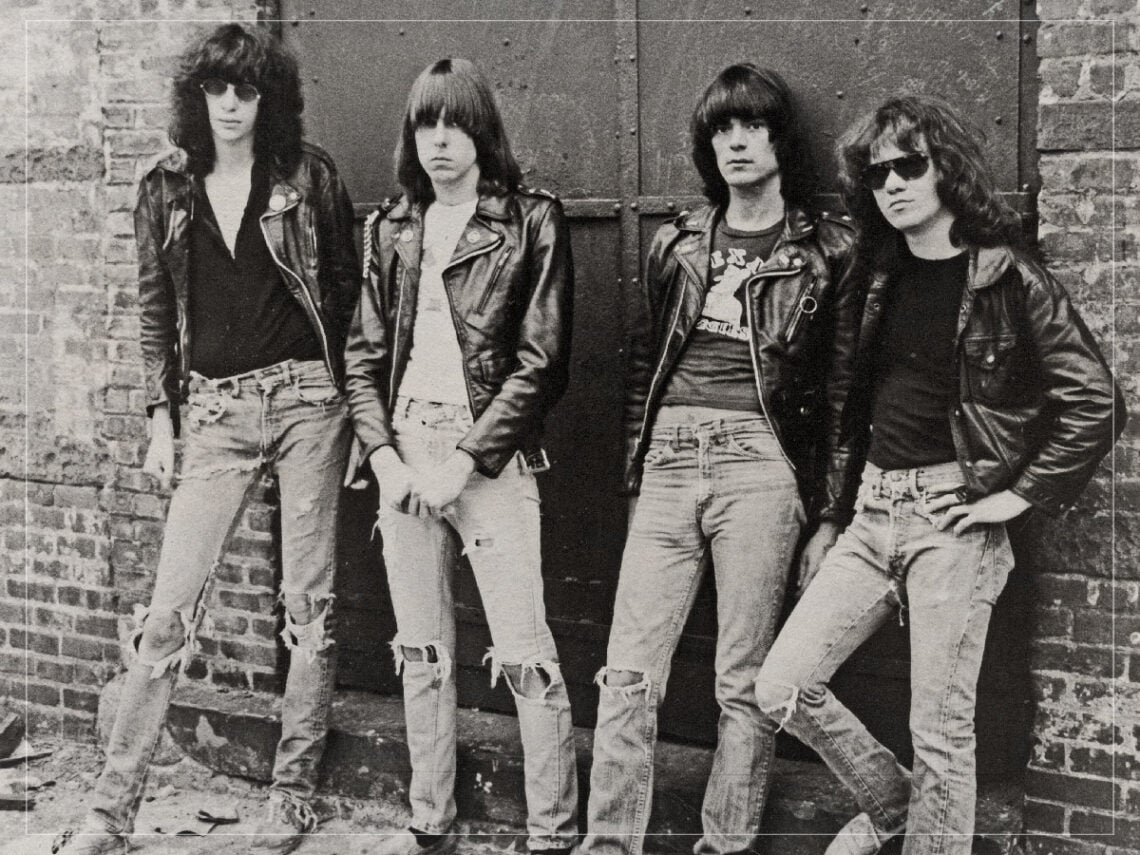
“It’s disgusting”: The one genre Ramones hated more than any other

When punk rock arrived on the scene in the mid-1970s, it sought to achieve the complete destruction of the music industry as it was.
The original wave of punk was built upon staunch anti-capitalist sentiment and a rejection of the corporate monotony that plagued the singles charts across the globe. In the USA, at the time, those charts were largely dominated by the world of disco, which meant that the genre became the arch-nemesis of the punk generation, with the Ramones particularly critical of the style.
The Ramones were among the first groups to define the CBGB scene of New York’s East Side, amassing a dedicated audience for their abrasive, adrenaline-fuelled tracks. In many ways, the Queens-based group were the archetypal punk rockers, embodying the spirit of the revolution in virtually every sense of the word. Unlike many of their contemporaries, though, the Ramones always harboured a clear and obvious appreciation for the world of 1960s pop, going so far as to release a wildly popular cover of The Ronettes’ ‘Baby, I Love You’ in 1980.
Elsewhere within their long and illustrated career, the Ramones regularly paid tribute to the world of pop, rockabilly and even Motown.
It seems strange, therefore, that the group would be so staunchly anti-disco. After all, the world of disco emerged from the pop sensation of Motown and soul, giving voice to an entirely new generation of predominantly Black artists. Disco was often viewed by the first wave of American punks as being complacent and refusing to take a stand against the widespread injustices of the world, but that was a fairly blinkered view of the scene.
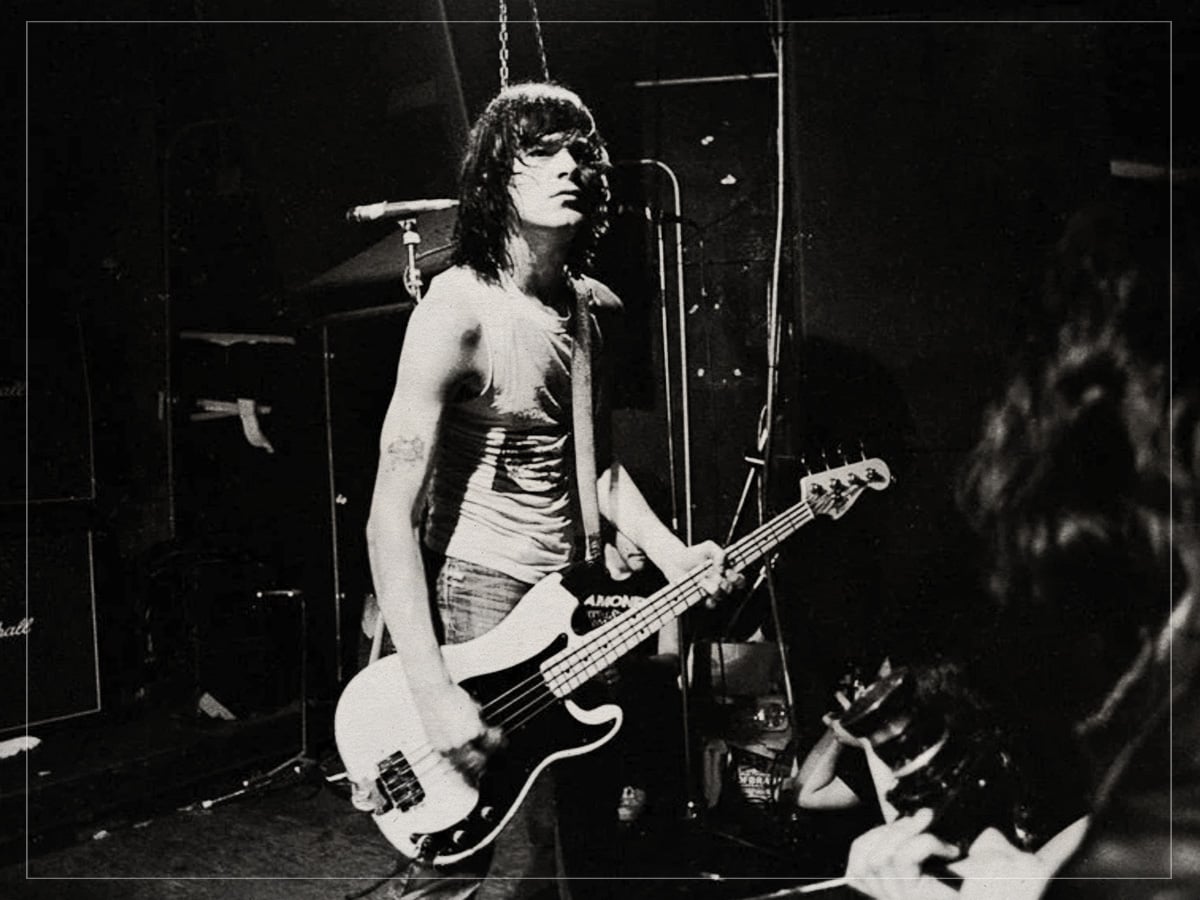
Part of that hostility stemmed from a desire to define punk in opposition to something tangible. Disco, with its polished production and dominance of the charts, became an easy target, representing everything punk sought to tear down. It was less about the nuances of the genre itself and more about what it symbolised in a broader cultural sense, a perceived complacency that punk musicians were determined to challenge.
At the same time, the divide was never quite as clear-cut as it seemed. Both movements were, in their own ways, reactions to the same social and economic pressures, offering different forms of escape and expression to their audiences. Where disco embraced rhythm and community, punk channelled frustration and immediacy, but both spoke to a generation looking for something outside the mainstream structures that had come before.

Nevertheless, the Ramones saw themselves as the antithesis of the disco world. During a 1996 interview, frontman Joey Ramone argued, “When we came out in ’74, rock ‘n’ roll was pretty much dead. It was just totally disco and corporate rock. It was totally synthetic. All the fun was totally gone.” The irony, of course, was that the music scene of 1996 was, if anything, more corporate and synthetic than it had been back in the 1970s – despite the best efforts of the Ramones.
In 1979, as the band reached the peak of their output, hot off the release of Road to Ruin, they were interviewed by Sweet Potato Magazine. In the interview, guitarist Johnny was keen to dismiss the popularity of disco. “I hate disco music,” he derisively said, “It’s disgusting. It’s some kind of communist plot to make our brains smooth, to take the crevices out of it. Each artist sounds the same. Everything sounds the same. It’s all fabricated. It’s moronic.”
The idea that all disco “sounds the same” could easily be said of punk rock around the same time, as the revolution devolved into a fashion style and an endlessly reused sound. As if the Ramones’ comments weren’t blinkered enough, Dee Dee Ramone then chimed in – without a hint of irony – “All it is is a bunch of loud music and freaks hoppin’ up and down.”
Of course, these comments should be taken with a pinch of salt; Johnny Ramone has not always been known to give the most balanced of arguments. When the band were inducted into the Rock and Roll Hall of Fame in 2002, the guitarist took the opportunity to say, “God bless President Bush,” which certainly seemed at odds with the original anti-authoritarian manifesto of punk rock. Ultimately, though, it seems as though they never lost their all-encompassing hatred for disco.
