


The mysterious poem Fleetwood Mac drew inspiration from for ‘Bare Trees’

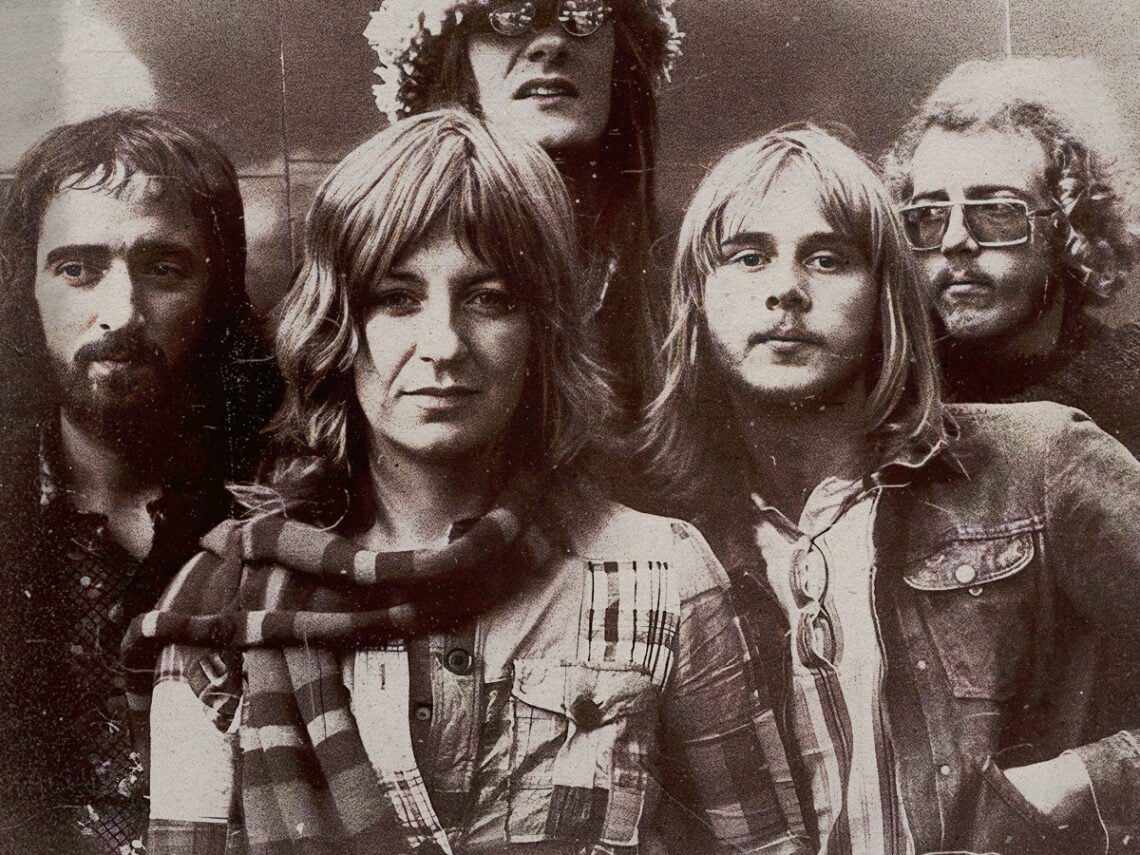
Before finding their signature soft-rock sound with the addition of Lindsey Buckingham and Stevie Nicks, the Fleetwood Mac ensemble predominantly explored the realms of folk and blues. In 1972, their lineup, which included Mick Fleetwood, John McVie, Christine McVie, Bob Welch, and Danny Kirwan, unveiled the band’s sixth studio album, Bare Trees. While this release experienced moderate success at its launch, more importantly, it set the stage for their ascent to prominence in the mid-1970s.
A few years prior, Kirwan was discovered in a Brixton pub by Peter Green and Fleetwood before becoming a member of the band in 1968. Green noted that the then 18-year-old guitarist was “full of ideas that helped move Fleetwood Mac out of the blues and into rock music mainstream”.
Although Kirwan would later face dismissal from the band during the album’s supporting tour, he penned numerous tracks on Bare Trees, which earned admiration from Fleetwood, who remarked: “Danny had the chops with layering techniques, and the ability to know what’s right and wrong in the studio”. The titular, ‘Bare Trees’, was also crafted by Kirwan, who drew inspiration from a poem penned by an elderly woman residing near the band’s residence in southern England.
This lady, known as ‘Mrs. Scarrot’, had composed a poem titled Thoughts on a Grey Day, which coincidentally serves as the title of a track on the album where she recites it from her own home. The particular line that ignited the spark for ‘Bare Trees’ was, “God bless our perfect, perfect grey day with trees so bare – so bare”. This poem went on to serve as a wellspring of creative inspiration for many of Kirwan’s songwriting endeavours on the album.
The poem captures the mood and ambience of a melancholic, overcast day, imparting a prevailing sense of introspection to the music. Within the confines of Bare Trees, many of the songs delve into themes of sadness, and the incorporation of its title track seamlessly complements this, infusing the work with an unmistakable layer of complexity and emotional depth.
The album cover is an extension of this sentiment, with a photograph taken by John McVie that depicts a black-and-white photograph of a solitary, leafless tree set against a stark, open landscape. The tree is bent and appears to be weathered, emphasising a sense of desolation and isolation. The starkness of the tree against the open sky reinforces the album’s title and the influence that the poem had on the project as a whole.
Although the album remains considerably less appreciated than the few that came after, like their 1975 self-titled album and, of course, Rumours, it signifies a staple of their earlier sound that existed prior to contributions from Nicks and Buckingham. It showcases a less refined version of the band before they hit their peak, but the simplistic beauty that it captures remains etched into its legacy nonetheless.
