


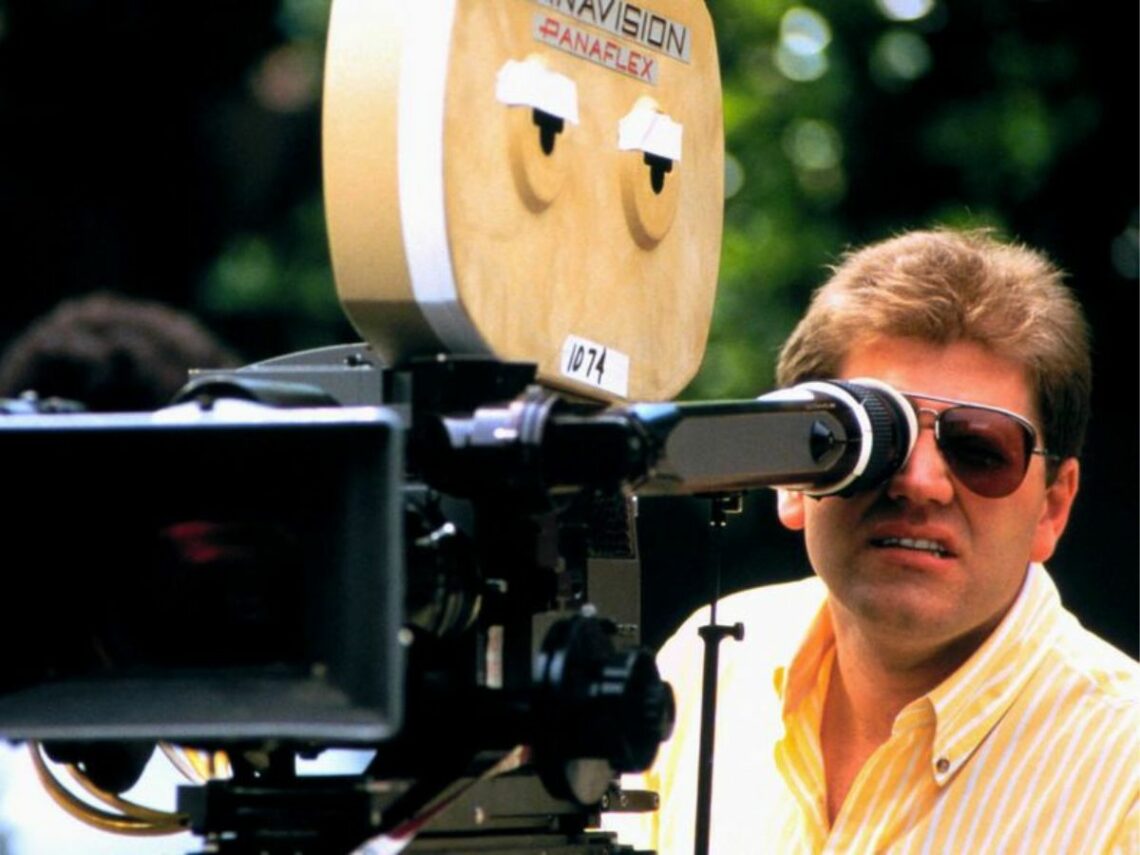
The movie that inspired Robert Zemeckis above any other: “I realised that there was immense power”

Out of all the greatest directors working today, Robert Zemeckis may be one of the masters of emotion onscreen. Although he may not have as much of a distinctive style as many of his colleagues like Christopher Nolan, Zemeckis’ way of inhabiting the story and latching onto the sentimental value of every shot is a skill that only a handful of directors have been able to copy since. Although Zemeckis has created landmark masterpieces throughout his career, he always returned to one film as the cornerstone for movie-making.
Then again, Zemeckis’ career has never been centred around one specific genre. Throughout his works on films such as Back to the Future, Zemeckis created the perfect action-adventure that almost anyone could get wrapped up in, as Marty McFly desperately tries to find his way back to his own time after arriving decades in the past in a Delorean.
At the same time, Zemeckis’ ability to create lavish dramas has made for some of the most harrowing moments in cinema, like in Cast Away. Even though Tom Hanks has been known to work with Zemeckis on numerous films throughout his career, the way the director put him through the emotional ringer to get the right shot is palpable onscreen, with Hanks seeming truly desperate as he clings to life on this abandoned island.
When talking about the finest movies he had ever seen, Zemeckis always goes back to the kind of films that made him want to direct in the first place. As opposed to getting started in the traditional lighthearted material from his childhood, Zemeckis singled out the movie Bonnie and Clyde as one of the biggest inspirations for him.
Seeing it for the first time, Zemeckis remembered wanting to see the movie based on the graphic nature of the film, telling Director’s Guild of America, “I was probably 15 years old, and everybody at school was raving about this great bloody massacre at the end of Bonnie and Clyde, so I talked my father into taking me to see it”.
Once he started looking beyond the film’s violence, Zemeckis began to pay attention to how the film was affecting his heart rather than his eyes. When talking about the emotional aspect of the film, the director talked about having a much different experience than he expected, explaining, “I had the experience of feeling very emotional when Gene Hackman’s character was dying, and that’s when I realised that there was immense power involved in all of this”.
While Zemeckis would go on to say that he didn’t have any time for the proper way that people constructed shots, he didn’t need to understand what made movies so important. When looking at his creations, it’s clear the director internalised that kind of emotional vulnerability into his films. Whether it’s the adventurousness of Marty McFly or the loveable charm of Forrest Gump, audiences are always more concerned about the person they are watching in Zemeckis’s films rather than the intricacies of how the shot was made.
Even though Zemeckis may have read everything available to him then, it was always about making something that could strike a nerve with someone whenever they started watching the movie. Compared to the auteurs of film that came both before and after him, Zemeckis learned a long time ago that people watch with their heart and eyes.
