


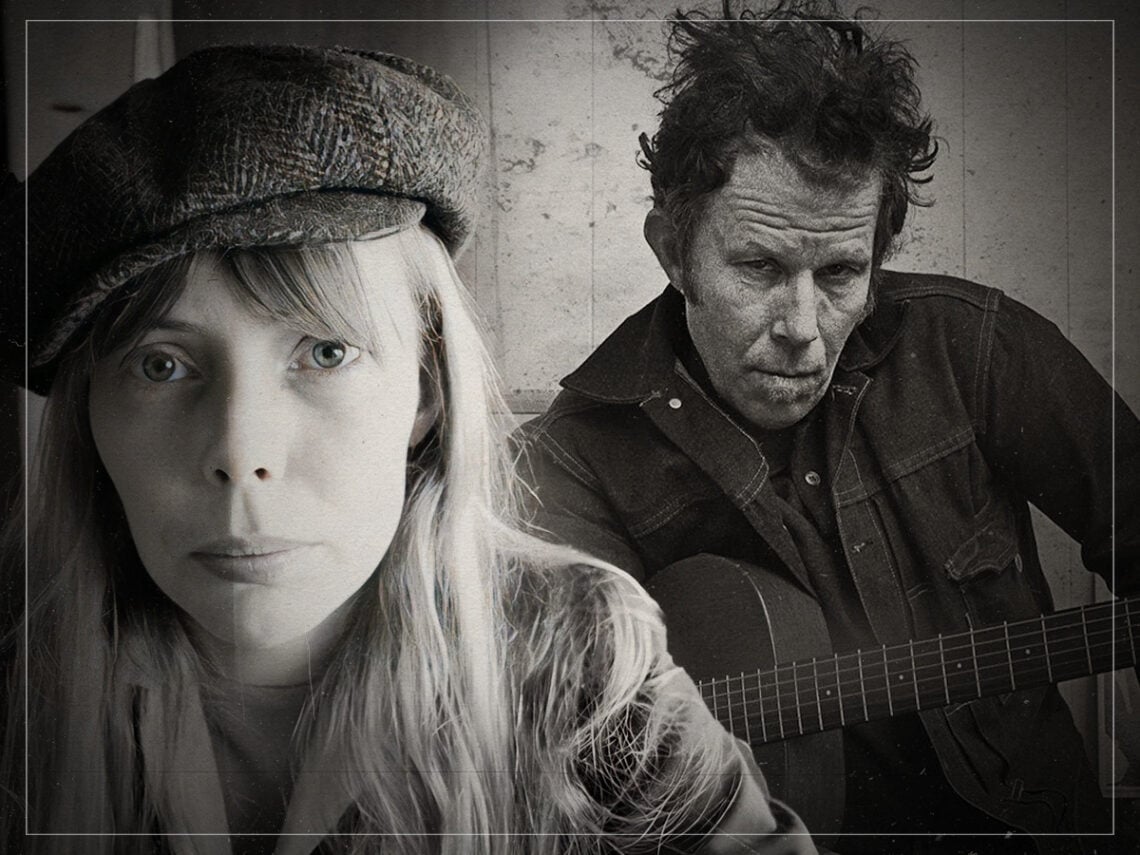
The Motown song that Tom Waits and Joni Mitchell agreed was a masterpiece

There’s a difference between being a muse and being a supermuse, such that inspiring one artist is powerful, but inspiring many across generations and consistently shaping the creative direction of others is something else entirely, so while Joni Mitchell and Tom Waits may not have much in common on the surface, they both hold that rare title.
There are several examples that instantly spring to mind in the vein of the supermuse, with Pattie Boyd being one, inspiring her two husbands, George Harrison and Eric Clapton, to write some of the best love songs ever penned, as well as prompting countless other tracks from people who encountered her. Artists like Bob Dylan and Leonard Cohen feel like supermuses, as it’s tough to find any songwriter working in the folk world today that wouldn’t reference them as vital influences, while Mitchell herself stands as one too, for her own confessional works opened up that world for so many, becoming a kind of patron saint to emotive writers everywhere.
The work of a muse is mysterious but vital, that seems to transgress everything, as inspiration can come from anywhere: a person, a film, a building, a throwaway comment. In terms of music, inspiration crosses the lines of genre as an artist working in the world of rock can find themselves deeply inspired by jazz, folk, classical, or anything, so it’s impossible to truly understand how or why influence strikes; all we know is that when it does, its impact can be seismic.
The fact that Tom Waits and Joni Mitchell, of all people, are connected through one mutual inspiration stands as a perfect example of its elusive nature. While both may have started out as leaders of the ballad, they became artists who couldn’t stand to be further away, where Waits spiralled into something dark and odd on albums like Bone Machine and Mule Variations, letting his sound get gruffer with his voice, and Mitchell took about every turn you could imagine through folk, into rock and roll, into jazz and into classical.
Their penchant for experimentation provides some kind of tether between them, but when it comes to sound, surely there is some spectrum where Waits and Mitchell stand at opposing edges; however, they have one thing in common: ‘Trouble Man’.
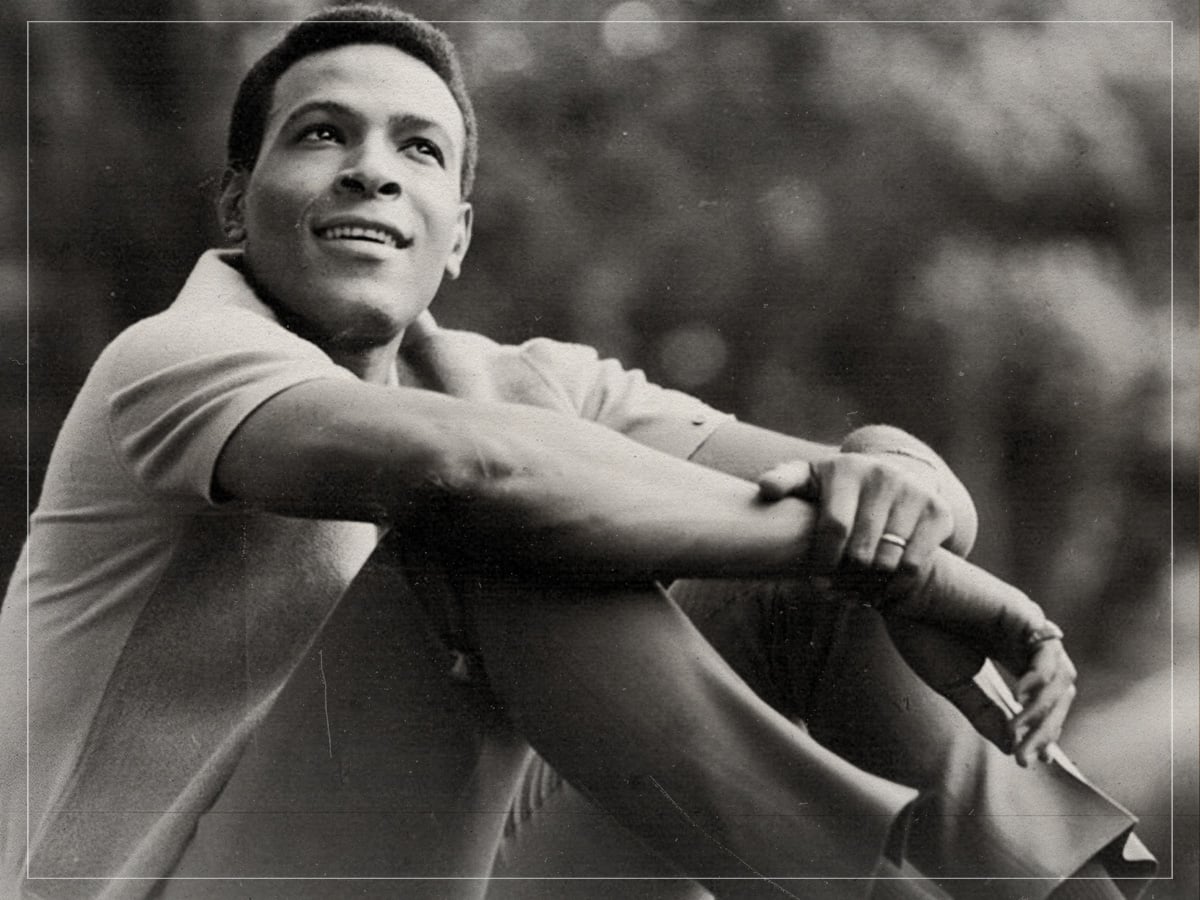
Both artists bow down to this one track from Marvin Gaye and are amongst the masses that bow down to the artist, as Gaye is definitely in the ranks of the supermuse, picked out as a name that has inspired the likes of Stevie Wonder, The Rolling Stones, D’Angelo and modern acts like Frank Ocean. But back in the 1970s, when Gaye was at the absolute height of his power, it seemed as though his impact knew no bounds, wherein Mitchell and Waits were both inspired by the 1972 track, in completely different ways.
For the former, the influence was immediate, and on Music That Matters to Her, she picked out the track as one that led to her experimental streak in the mid to late ‘70s. “I had this song on an album, and I kept the needle on this track, playing it over and over. It was so influential to my music and my singing. It excites me from the downbeat,” she said of the track, keeping it on repeat around the time she began crafting Hejira, an album where she’d switch everything up, seeking out new excitement, as she found on this track.
For Mitchell, who would later cover ‘Trouble Man’ live, it was all in the melodies and instrumentals, even opening up the doors to her jazz phase that would soon come.
On the other hand, for Waits, it was all in the voice; sticking around as one of his all-time favourite songs, it wasn’t until the 2010s when its influence would appear in his own music. Talking about his album Bad, he said, “You are looking for the right voice, just like an actor looking for the right hat and pair of pants, so you use different voices for different songs, and there I was trying to do a [bluesman] Skip James meets Smokey Robinson meets Marvin Gaye.”
Inspiring another change in his ever-morphing vocals, it was Marvin Gaye’s voice that came back to him in 2011, proving that the singer’s endurance as a supermuse never fades.
