


What was the most offensive number one of the 1980s?

The 1980s were a polarising time in music, but there were a few blockbuster tunes that rocked the boat for the era far more than others.
Powerhouses like The Beatles and Led Zeppelin gave their respective decades of dominance a reputation for cultivating artistry of the highest standard. The endless talent pool of the ’60s and ’70s allowed music to evolve from a craft into a force, spreading rapidly across the world and building followings the likes of which no one had ever seen before.
As the business became more and more lucrative in conjunction with proliferating passion for the product, it started to resemble an empire by the time the ’80s came around.
At the turn of the decade, the industry was starting to look a lot different from over the past 20 years, and while that era certainly produced countless classics that altered the course of history for the better, there was also an ecosystem emerging around those songs that ultimately gave way to the shifty and oftentimes predatory music business we’re familiar with today.
A number of acts from the previous decades continue to flourish across the ’80s, while new names also established themselves with vigour to give that phase a distinct identity of its own: the optics were glossier, the hairstyles got more animated, and the outfits turned kitschier. All in all, the biggest shift during those years was evident in how there seemed to be a far greater emphasis on performance than ever before. While a lot of the songs that were charting were musically remarkable, there were just as many that were gaining traction for their eye-catching packaging.
‘Physical’ by Olivia Newton-John, for example, spent a total of ten weeks at the top spot of the Billboard Hot 100 tally, and while the song is indeed catchy, there was more to it than just songwriting and a great vocal performance: it came with a lustrous music video that gave it tons of extra mileage on television and made it a sight to behold when performed live.
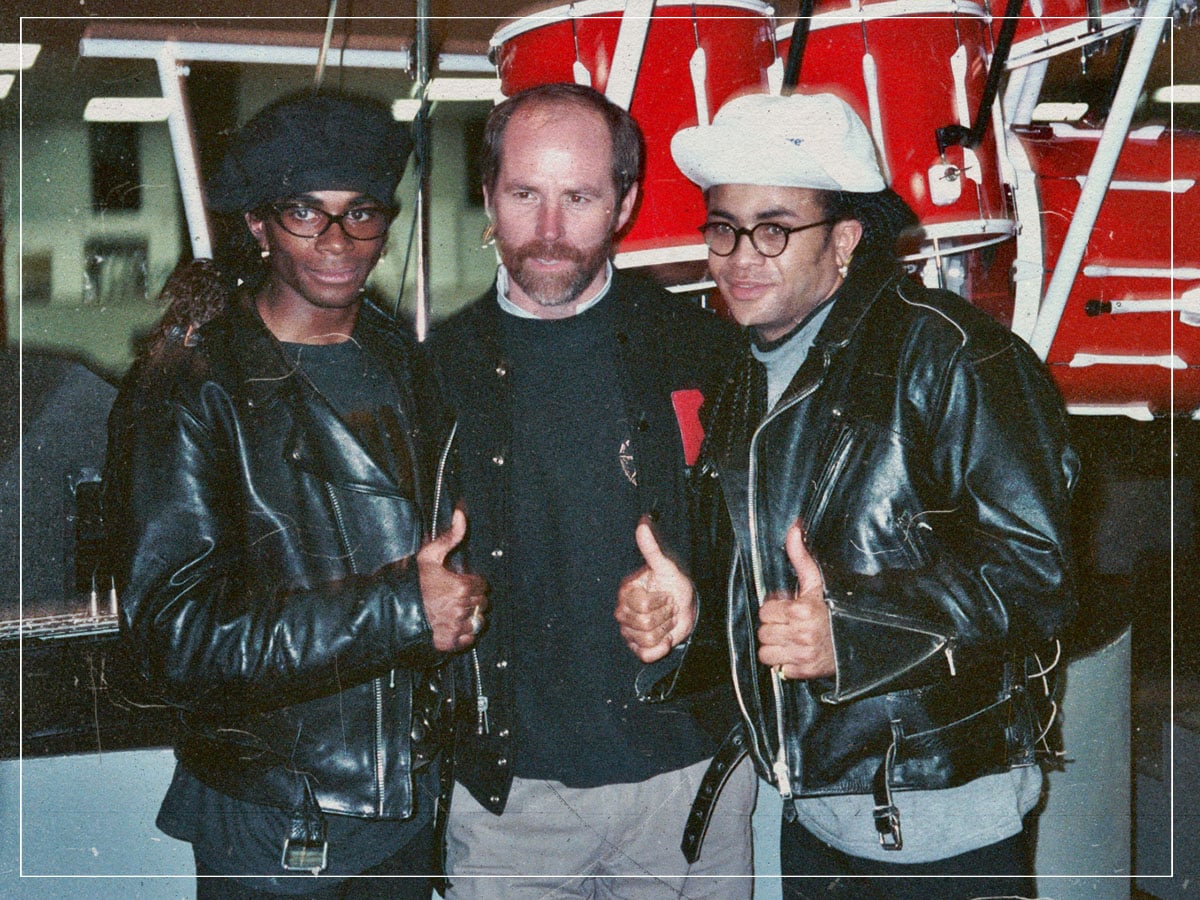
Similarly, German R&B duo Milli Vanilli began making waves in the Western music circuit from the jump because they were simply spectacular. The two-piece comprising Fab Morvan and Rob Pilatus were known for their explosive dancing moves, unmistakable fashion and, of course, the addictive pop music attached to their brand. They began climbing up the charts immediately upon entering the scene and, by 1989, had their first number one single on the Billboard Hot 100, thanks to ‘Baby Don’t Forget My Number’.
Moreover, their first number one was only their second single ever, so it was a huge deal when they followed it up by securing two more chart toppers that year alone with ‘Girl I’m Gonna Miss You’ and ‘Blame It on the Rain’; hence, the speed with which they established themselves earned them even more adulation.
Of course, it was only a matter of time before the public caught on that the pair everyone thought was Milli Vanilli were in fact actors who didn’t actually sing on the tunes in question (or any others attributed to them at the time, for that matter). The signs had been there from the start, from their strong German accents not lining up with the voices on record to them getting caught lip-syncing at an MTV concert in Connecticut, such that by 1990, producer Frank Farian admitted that the group was in fact completely fabricated, and that Morvan and Pilatus had not actually provided vocals on the songs they had become the faces of.
While the tracks in question are indeed great pop hits, the story surrounding them turned out to be a barefaced insult to those who supported them. This performative side of the business has only grown in the years since, with music feeling more and more like a soulless commodity when a lot of money’s involved.
