


The MC5: The Detroit band that sought to “blow away” the scourge of hippie rock

“You can hear our influence all over the place now,” Wayne Kramer told the Oakland Tribune in 1995. The guitarist and founding member of the legendary MC5 was looking at the punk revival of the ‘90s, when Green Day and The Offspring were taking off, and saw his own teenage dream taken to its fruition.
“It’s the sound of Marshall amps turned up to 10 and lyrics that try to deal with reality. If you think of all the rock music today that goes against the mainstream, the MC5 was the big bang that started that universe,” Kramer proclaimed.
Wayne’s version of events, bombastic as it might sound, is hard to quibble with. For all the credit sometimes bestowed upon fellow Detroit rockers Iggy Pop and the Stooges as “exhibit A” for the punk movement, the MC5 released their debut album Kick Out the Jams nearly a year earlier, in February of 1969. That album, while probably still unfamiliar even to a lot of classic rock diehards, was one of the more electrifying and controversial debuts of its era, not to mention quite commercially successful—reaching number 30 on the US charts and landing the MC5 on the cover of Rolling Stone magazine.
Recorded live at Detroit’s Grande Ballroom in October of 1968, Kick Out the Jams was the MC5’s ferocious declaration of their arrival, supported by a local crowd that had already long since jumped on their left-wing revolutionary bandwagon. As vocalist Rob Tyner shouts to the audience like a crazed street preacher at the very beginning of the record, “the time has come for each and every one of you to decide if you’re going to be the problem or if you are going to be the solution!”
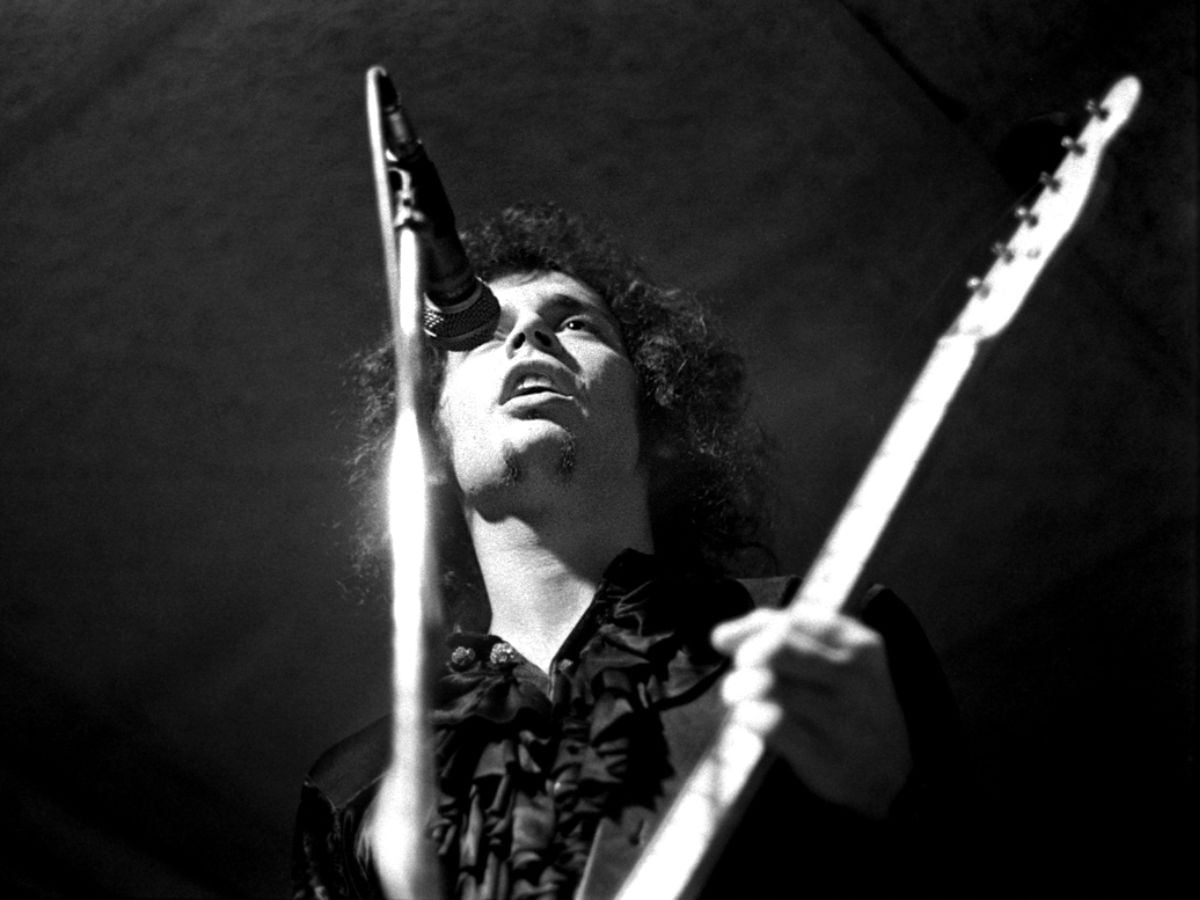
Tyner’s equally animated introduction of the album’s title track – ”kick out the jams, motherfuckers!” – got the album banned and pulled off shelves in many shops across the country, but it also did its job of stirring up attention, as any good punks will.
Tyner, Kramer, and the rest of the band certainly had the goal of spreading their radical political ideology—aligning themselves with the poorly-named “White Panther Party” which sought to support the Black Panther movement and its anti-war, anti-establishment calls to action. Musically, though, the MC5 were also part of a different sort of revolution, pushing back on the hippie trends and jammy Haight-Ashbury sound that had taken over much of the rock landscape since the “summer of love“.
“That’s what ‘Kick Out the Jams’ was all about,” Kramer said. “We wanted to blow away all these Grateful Airplane California bands. They were all just folk guys who didn’t know what to do with an electric guitar, and we hated that garbage.”
Most of the members of the MC5 grew up in the shadow of the Ford Motor Company plant in Highland Park, Michigan, and they’d seen how the old promises of the American factory town weren’t paying off for the average citizen. Flower power and peace and love weren’t the answers to a broken system. The doors needed to be busted down.
Unsurprisingly, this sort of message didn’t find its way to the radio quite so easily as ‘Don’t You Want Somebody to Love?’, and the MC5 were routinely hounded by cops and targeted by politicians.
“They were searching our van, tapping our phone, constantly draining our time and energy,” Kramer recalled. “Eventually it just drove us nuts and made the entire record industry decide we were too hot to handle.”
The MC5 split after just three albums, and the end of their brief run sent Kramer spiralling into drugs, landing him in prison for a spell. He turned his life around afterwards, though, and continued making music and supporting charities that helped turn around the lives of prisoners and others at risk of winding up in the criminal justice system.
He died in 2024, leaving no original members of the MC5—the first punk band—still with us.
