


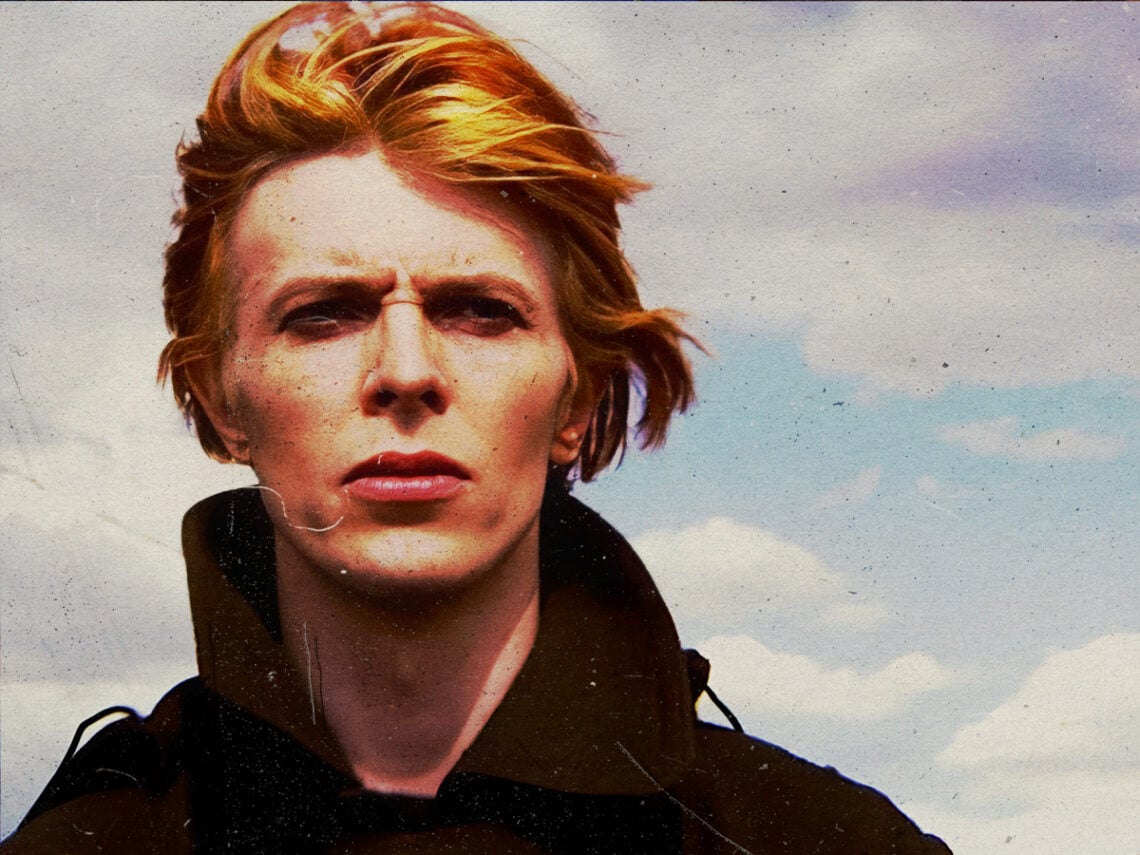
The live show that David Bowie saw “the future of pop music”

“If it’s wearing a pink hat and a red nose and it plays the guitar upside down, I’ll go and look at it,” David Bowie once said. ”I love to see people being dangerous.” Courting danger is a necessity if you’re looking to push art forward, and this was the facet that Bowie must admired in his peers. It is also his own greatest strength. “Ziggy Stardust and Hunky Dory liberated so many people from the straight sensibility in the suburbs,“ Johnny Marr told NME.
This is praise that Bowie would’ve loved, given that he essentially entered the arts to break away from what he called the cultural no-man’s-land of Bromley. He was an endless slew of superlatives, but the area where he excelled way beyond any of his peers is just how revolutionarily daring he was as an artist. When the world zigged, he zagged. And that trailblazing lightning bolt that he flashed through mainstream culture remains a beholden beacon for us all to aspire towards in our own humble ways.
This futurist view of the arts helped to herald an era of synth-pop and one night, Bowie decided to head down to his local concert hall to check out one of the earliest propagators of the genre. He emerged from the Human League show in December 1978 and told the NME that he “had seen the future of pop music.“
At the time, punk was waging a riot when it came to the alternative side of music. It had been an apt reflection of a dilapidated society. But two years on from the arrival of the Sex Pistols, the much more stilted rot of Margaret Thatcher’s Britain had set in. With this came an acquiescence to a dower fate and odd apathetic stability for many who weren’t bold enough to go the mohawk route and rebel.
Amid this malaise was a downtrodden Phil Oakey, who witnessed his own unstable outfit splinter. Rather than despair, he waltzed off to his local Sheffield nightclub and tried to reconcile the position of pop. The ensuing work that followed from the Human League shunned the gloomy atmospheric tones of electronic music that seemed to mimic the doom of the era, and instead, they offered up a new wave of alternative salvation.
If it was kitsch and soppy for some, then so be it, because, after all, The Human League were only aiming to please. Their early output proved to be a very promising ground zero for British new wave, with the sort of hits that the youth can still engage with even today. They couple new production methods with simple song structures and harmonious melodies, paving to way to a poppy future.
Their work even influenced Bowie to get a bit more groovy and embrace the lighter side of electronica, soon crafting ‘Ashes to Ashes’ in a similar Human League fashion. As he once said: “Tomorrow belongs to those who can hear it coming.”
