


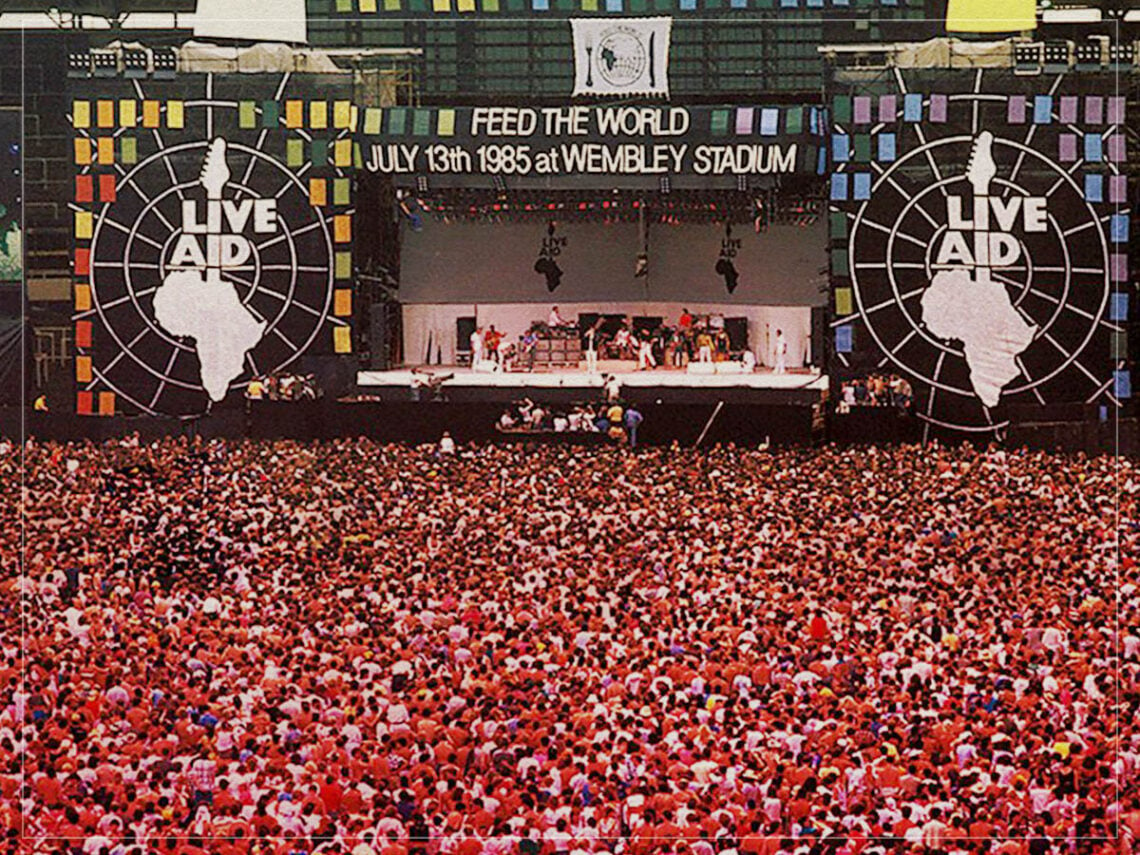
Bob Geldof was reluctant to book Queen for Live Aid: “No, they’ve peaked”

Despite the monolithic, culturally commanding impact of Bob Geldof’s 1985 benefit event, Live Aid, there were a series of lesser-known moments that preceded this unparalleled historic event that have become somewhat overlooked with time. For starters, Geldof was eager to build on the momentum of his earlier efforts against poverty in Ethiopia with Band Aid, with the natural progression from such a success being to take it to the stage.
However, as with any large-scale vision—no matter how charitable—the execution logistics are key. We’ve all witnessed secondhand what happens when visionary organisers neglect to exercise the appropriate know-how or practicalities to make their dreams become realities—Woodstock and Fyre Festival are just two examples—but with Live Aid, one of the biggest strains was the lineup.
According to the promoter, Harvey Goldsmith, executing Live Aid in a way that not only worked with the dual broadcasting and locations but also ensured an unrivalled audience experience meant locking in the perfect lineup. During his conversations with Geldof, cutting corners with the acts was strictly not an option, as it would be key to pulling off the entire operation with the energy and connection that Live Aid was all about.
Thus, Goldsmith floated the idea of having Queen perform during the coveted evening slot. To his surprise, Geldof wasn’t that keen on the idea because he felt that the Freddie Mercury-fronted band had already “peaked” and that their performance wouldn’t hold the type of appeal they were going for. Goldsmith, on the other hand, was adamant—a prophetic feeling that would pay off in unthinkable ways.
“I thought about it, and said for the late afternoon slot, the perfect act would be Queen. Bob said, ‘No, they’ve peaked. I don’t think they should play’,” Goldsmith told Mojo, saying that he knew Mercury personally and had no doubts that he would “make a show of it.” After some more reluctance on Geldof’s part, Goldsmith “dug my heels in” and told Geldof that the band would be ideal for the infamous late-day lineup lull when it’s crucial to select the right act to bring the energy back up to the right level.
Despite some initial trepidation from Queen about accepting the slot, they did exactly what Goldsmith knew they would, and wowed the audience with the kind of enthusiasm and fervour that ended up not only defining Queen’s appeal but the entire legacy of Live Aid. There were, of course, several other moments that constantly came up when discussing the historic 1985 show, but Queen’s performance is almost always the one most people end up coming back to—a magical moment in time when music united all.
At the same time, an undeniable sense of underlying solemnity also makes the entire performance withstand the test of time. After all, while Live Aid could have never operated as a cure-all for the issues it sought to address, the pivotal moment in Queen’s legacy also symbolised immaculate power and resilience, pushing the need to incite togetherness even when everything felt like fragmented pieces of a whole.
