


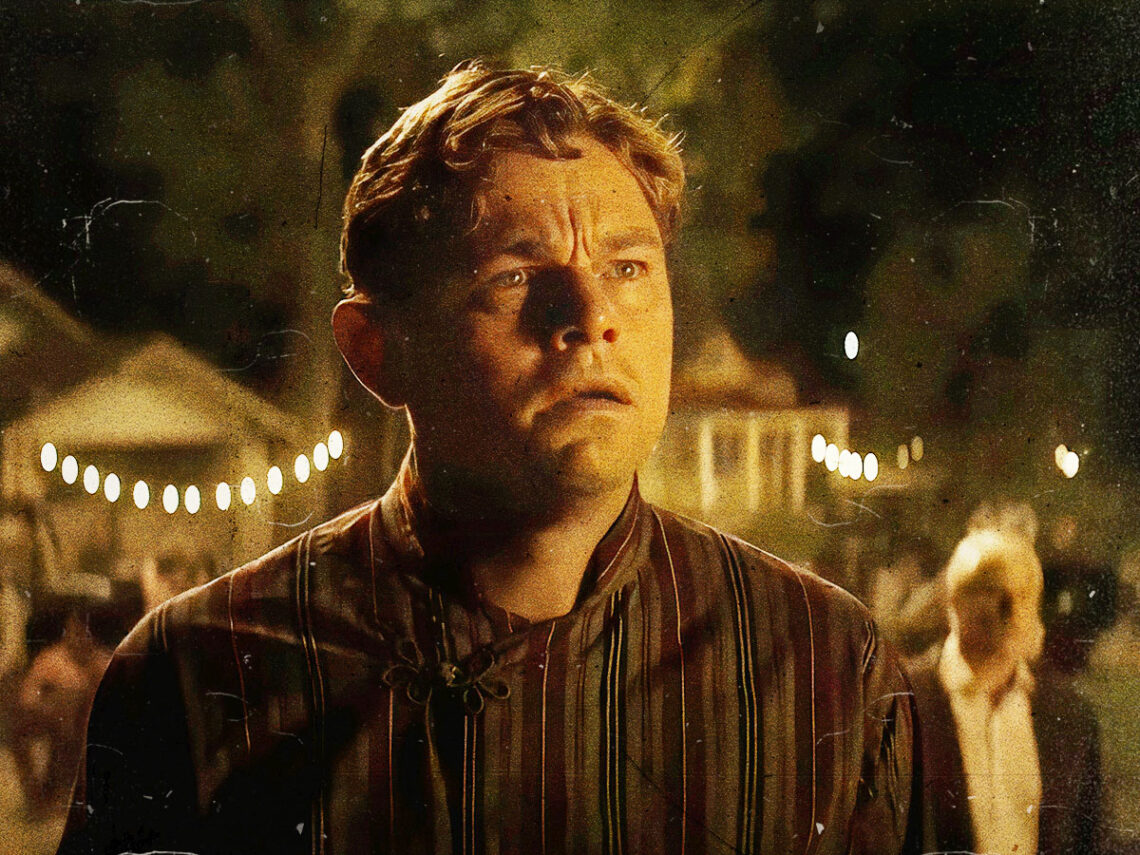
The ‘Killers of the Flower Moon’ song currently flying through space

Whether he is making a deeply character-driven sports drama such as 1980’s Raging Bull, a magical children’s flick like 2011’s Hugo, or the sort of seminal crime odysseys he has become defined by, the cinema of Martin Scorsese manages to be both bewitchingly cinematic and inextricably human at the very same time. A maestro of the cinematic form, his movies take you to previously inaccessible realms of creative nirvana.
His latest movie, which lifts a lid on the bloody genocide of Indigenous Americans in 1920s Oklahoma, is no different, with the director drawing strong parallels between the purity of the landscape and the capitalist greed to withdraw all its purity by accessing the oil beneath the grass. A great American tragedy, Scorsese’s latest shares more in common with his early epics, drilling deep into the protagonists Ernest (Leonardo DiCaprio) and Mollie (Lily Gladstone) to pick apart their personalities as the drama unfolds.
The sheer size and scale of this human catastrophe and environmental devastation are well captured in one particular scene when Ernest and Mollie witness the burning of William Hale’s oil field. As the fire is attempted to be extinguished, Scorsese opts to accompany the bleak scene with the sound of ‘Dark Was the Night, Cold Was the Ground’, a gospel blues song written and performed by Blind Willie Johnson in 1927.
Perfectly capturing generations of agony with one song choice, the scene is a perfect example of Scorsese’s deft cinematic touch, creating a haunting shroud of despair that suggests life for the Osage people will never be the same again.
Known to be Johnson’s most acclaimed song; while the blind musician never received much praise for his work during his lifetime, ever since the 1960s, he received a posthumous interest in his work. Thanks to this timely renewed attention, ‘Dark Was the Night, Cold Was the Ground’ was chosen to be printed on the Voyager Golden Record, one of 27 songs currently flying through the galaxy aboard the Voyager spacecraft.
When asked why the song had been chosen for the record, the NASA consultant responsible, Timothy Ferris, stated in Voyager’s Music, in Murmurs of Earth: “Johnson’s song concerns a situation he faced many times: nightfall with no place to sleep. Since humans appeared on Earth, the shroud of night has yet to fall without touching a man or woman in the same plight”.
Tapping into a universal truth about the human condition regarding the despair of nightfall, Johnson’s song was apt for the Golden Record, which attempted to summarise human life in just a handful of songs. For similar reasons, it proves to be perfect for Scorsese’s Killers of the Flower Moon, a bleak tragedy that speaks to the folly of human desire and restless gluttony.
Take a listen to the iconic song, which you can find in Scorsese’s contemporary epic and printed on Voyager’s intergalactic golden record, below.
