


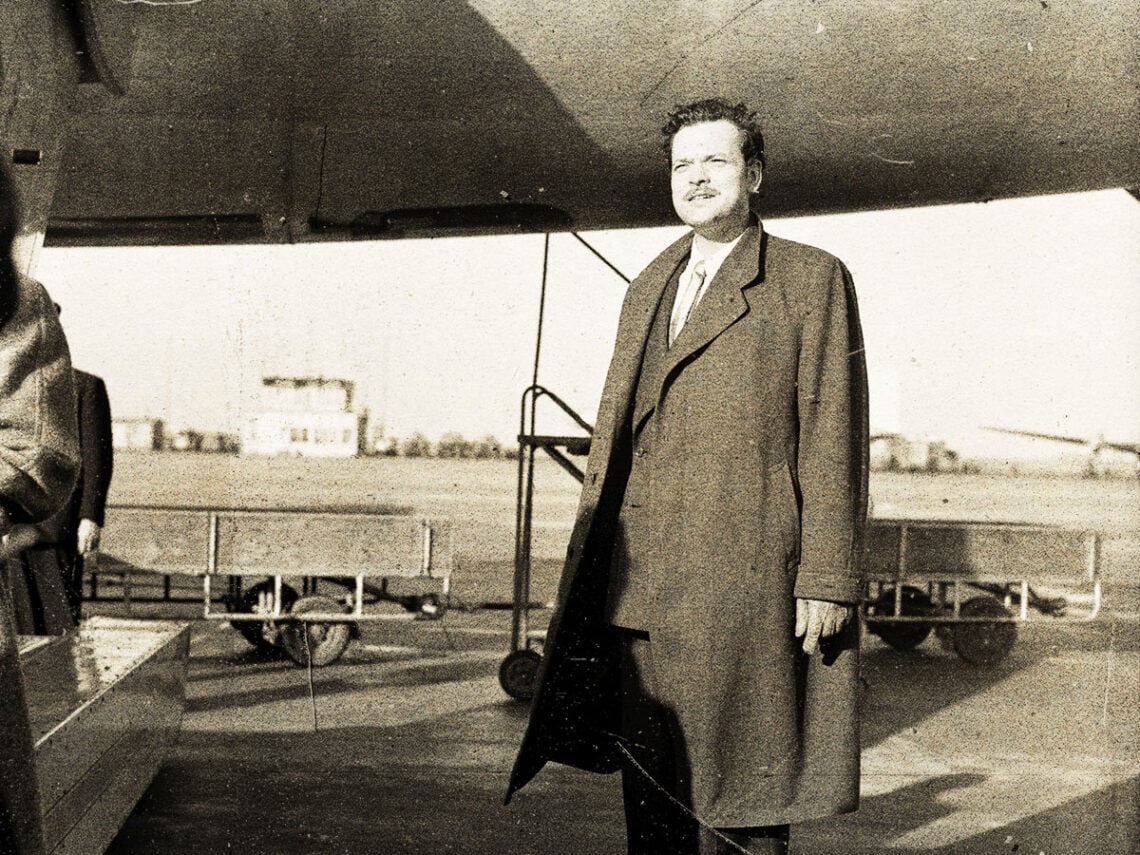
The iconic actor Orson Welles called “stupid”

Ah, the audacity of icons. When one thinks of Orson Welles, images of Citizen Kane and revolutionary cinematic techniques might flood the mind. However, an uncovering 30 years after his death added another facet to this illustrious figure: a penchant for candid, sometimes comically brutal, critiques of his peers.
Hidden away for decades and only discovered in 2013 were tapes capturing particularly intimate conversations between Welles and his friend, director Henry Jaglom, which dated from 1983 up to Welles’ untimely end in 1985. Handed over to acclaimed film journalist and critic Peter Biskind, a few highlights from the several years of chatting emerge from the recordings. In these conversations, Welles, ever the critic, spares few in his wide-ranging observations, from politics to shamelessly disparaging comments on fellow film giants.
Welles wasn’t exactly renowned for his soft words or gentle comments when it came to describing the industry around him. In fact, his notorious reputation for having a loud mouth ultimately saw him exiled from Hollywood. For ten years, the actor/director moved around Europe, supplementing his income with acting gigs and putting all of his earnings into self-financed film projects – some of which would never see the light of day.
It was only in 1958, with Touch of Evil, that Welles returned to the American studio system and was welcomed back by the industry. However, when we glimpse how he spoke about his peers… well, it’s actually hard to blame them for blacklisting the man.
The pièce de résistance? Welles boldly branded an actor “stupid”. And not just any actor, but Laurence Olivier. For those needing a refresher, Olivier was a veritable titan of both stage and screen, the very embodiment of theatrical brilliance, with performances that are still considered today to be the finest contributions to acting on film and the stage. His monumental legacy in British and American cinema is unparalleled, and his interpretations of Shakespearean characters remain the gold standard for actors worldwide.
Yet, Welles wasn’t content with just a passing jibe. He took specific aim at Olivier’s scenes in King Lear on the BBC, likening them to “the worst things I ever saw in my life”. Given the impeccable reputation of Olivier, one might wonder if Welles had woken up on the wrong side of the bed that morning – or, as an actor himself, if there wasn’t a light touch of jealousy at play.
These tapes, originally intended to provide material for a Welles autobiography, now serve as a delightfully eyebrow-raising peek into the candid views of a cinematic maestro. The sheer candidness of Welles’ opinions, especially about the crème de la crème of Hollywood, only further fuels his legacy: a great artist, a fiery visionary, and a hilariously spiteful and borderline-bitchy man.
