


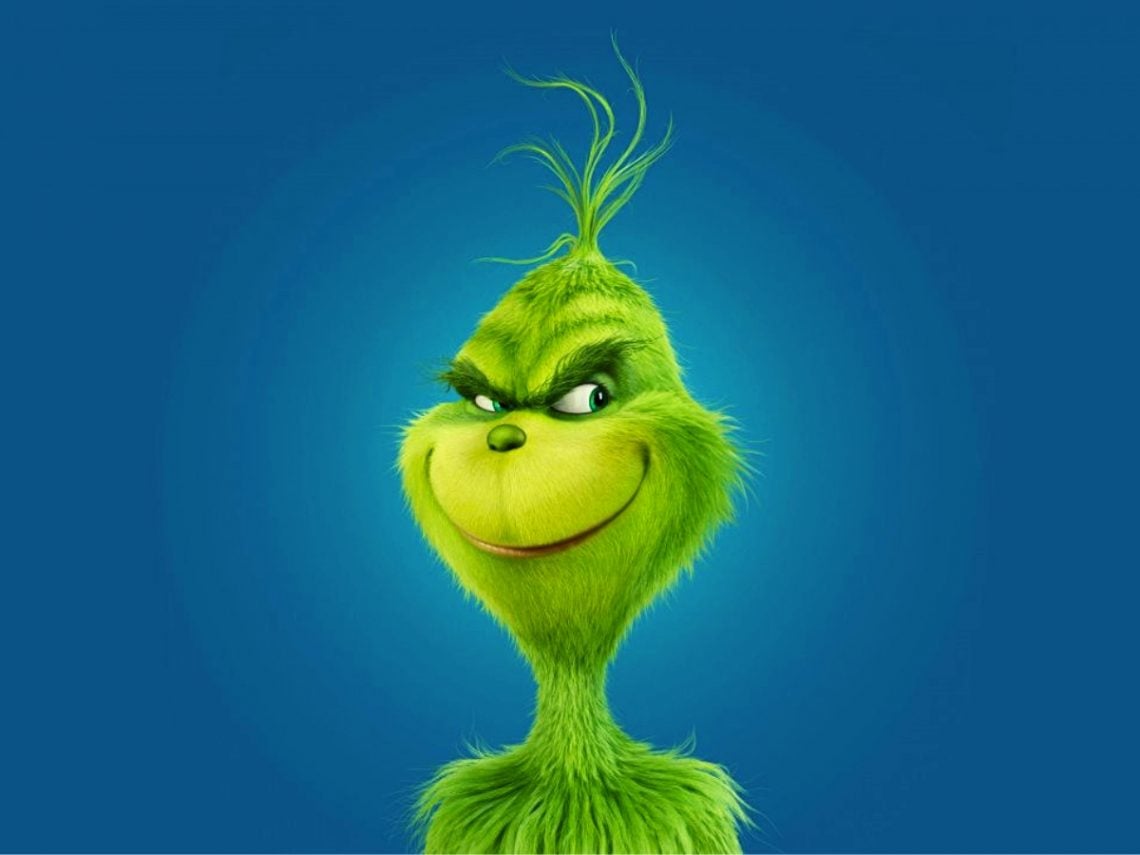
Why is the highest-grossing Christmas film, ‘The Grinch’, one of the most forgettable?

What is the first movie that comes to your mind when you think of Christmas films? Is it the monumental classic It’s A Wonderful Life or the family comedy Home Alone? These answers can be based on the most loved festive movies or the ones that capture the Christmas spirit the best. However, the factor of how Christmas movies perform at the box often doesn’t always make sense.
This is the case with the highest-grossing Christmas film of all time. Remember the computer-animated 2018 version of The Grinch, directed by Scott Mosier and Yarrow Cheney and starring Benedict Cumberbatch? Only a few people do. However, that did not stop it from being the highest-grossing entry in the seasonal genre.
The Grinch is the third take on Dr Seuss’s 1957 book How the Grinch Stole Christmas, carrying out the original story of an isolated and miserable Grinch who becomes so bitter towards the nearby town of Whoville celebrating Christmas that he plots to steal their decorations and gifts. The film was released on Friday, November 9th, 2018, and dominated the box office, earning a total of $511,595,957, outdoing Home Alone’s earnings of $476,684,675.
Despite beating Kevin McCallister, one of the Christmas genre’s most iconic faces next to Santa himself, at the box office, this vibrant take on the Grinch’s theft is not one of the go-to examples people cite when they discuss the best holiday films. Does The Grinch deserve to be forgotten despite its impressive status in box office history?
Although it has some upbeat animation and talented voice acting, this retelling of Dr Seuss’s story fails to achieve something unique or impressive. The film’s biggest crime is its mishandling of the titular character, as Illumination Entertainment Studio’s version of the green creature misses vital points of the Grinch. First of all, despite utter alienation from the Whos feeding into the character’s resentment in earlier takes, this Grinch instead freely walks through their small town to shop and bother the locals.
This change alters the dynamic between the character and the Whos, compromising his motives to steal their Christmas since he freely walks into their space and disrupts it. Furthermore, The Grinch’s backstory is wasted and ignored, diluting and disrupting the character’s reasoning for his actions. Audiences struggle to connect with the mistreatment he experienced at the hand of the hypocritical Whos, who present love and acceptance image-wise yet neglect someone for being a little different.
This is a shame since Cheney told Deadline how the story’s meaning was the anchor and focus point in his making of the film. “But the thing that I really gravitate towards, that maybe hits on why it is such a timeless story and always relevant to any generation, is just this story about how simple kindness can transform a heart, can heal wounds,” the director shared. “That’s such a wonderful and important concept that is as relevant now as it has ever been, if not more in today’s world.” The intention may have been firm, but the execution did not pull through.
In addition, the film overwhelms the character and his story by throwing in unnecessary subplots to add little or nothing to the overarching story. New characters attempt to add more colour and humour to the film, but instead, they just read as pointless wastes of screen time. Another painful factor is the overuse of rap music as audiences are forced to watch the horrific sight of the Grinch, who is confirmed as 60 years old in this film, dancing to ‘Boogie’ by Brockhampton.
The film’s intense and childlike animation and visual style successfully keep the youngest audience members occupied, but that’s about it. Taking the animation factor into context, this film may have only been made to add to Illumination Entertainment’s lineup of animated adaptations of Dr Seuss’s work, following The Lorax and Horton Hears a Who. Animated Christmas films do make for some entertaining and charming watches, but this animated Christmas film falls flat.
To add insult to injury, the film adaptation that came before this version is superior compared to all these faults. How the Grinch Stole Christmas is the 2000 version of the book, directed by Ron Howard and starring Jim Carrey, who embodies the role brilliantly. Even after 22 years, How the Grinch Stole Christmas is loved, quoted and watched yearly. Not only this but Carrey’s Grinch even became a meme on Twitter, thanks to his hilarious and relatable expressions, such as refusing to go to an event because he cannot find the right outfit. Who can forget the trivia that this film’s little Cindy Lou grows up to be the lead singer of one of the best rock bands of the 2010s?
When you can watch the eventful, hilarious and magical 2000 version, why would you ever consider watching the bland 2018 disappointment?
How the Grinch Stole Christmas is the fourth highest-grossing Christmas movie of all time, racking up an earning of $345,823,032, putting it in between Home Alone 2: Lost in New York’s $358,994,850 and the 2009 version of A Christmas Carol, which earned $325,286,646. These contenders are also beloved classics that receive annual watches during the festive season, ones that emphasise the season’s values, decorate themselves in vibrant and cosy imagery and are of engaging quality.
