


The greatest supergroup albums from 1960-present

A band is one thing, a supergroup is a whole other. Bringing together artists that are already established and powerful on their own, it’s like having several weapons all firing at one, shooting at the music world in an attempt to stage a takeover.
Throughout musical history, there have been countless supergroups. Given that music is, at its core, a social form and given how incestuous and intertwined the music world is, it’s no surprise that artists make friends and that when they’re friends, they want to make music together. The casual jamming of players has led to some of the best bands ever launched, but specifically, the casual jamming of already established solo artists has led to the birth of some powerful collaborations.
But there are collaborations and then there are supergroups. Collaborations are mostly one-offs. They’re moments in time where people come together, each bringing their own styles and brands, and briefly combine them. Supergroups, on the other hand, ask everyone to leave that at the door, take their shoes off, and stick around. They’re projects where established names truly work together, letting each other into their processes or throwing it all out the window to find a new one together.
In any great record from a supergroup, the members should be allowed to shine as bright as they do solo while still melding into a unit. It should feel natural but still thrilling, helping to push each artist out of their comfort zone. It’s a tough task, one that few could pull off, but in the case of these five records, it worked.
The best supergroup albums from every decade:
1960s: Cream – ‘Disraeli Gears’
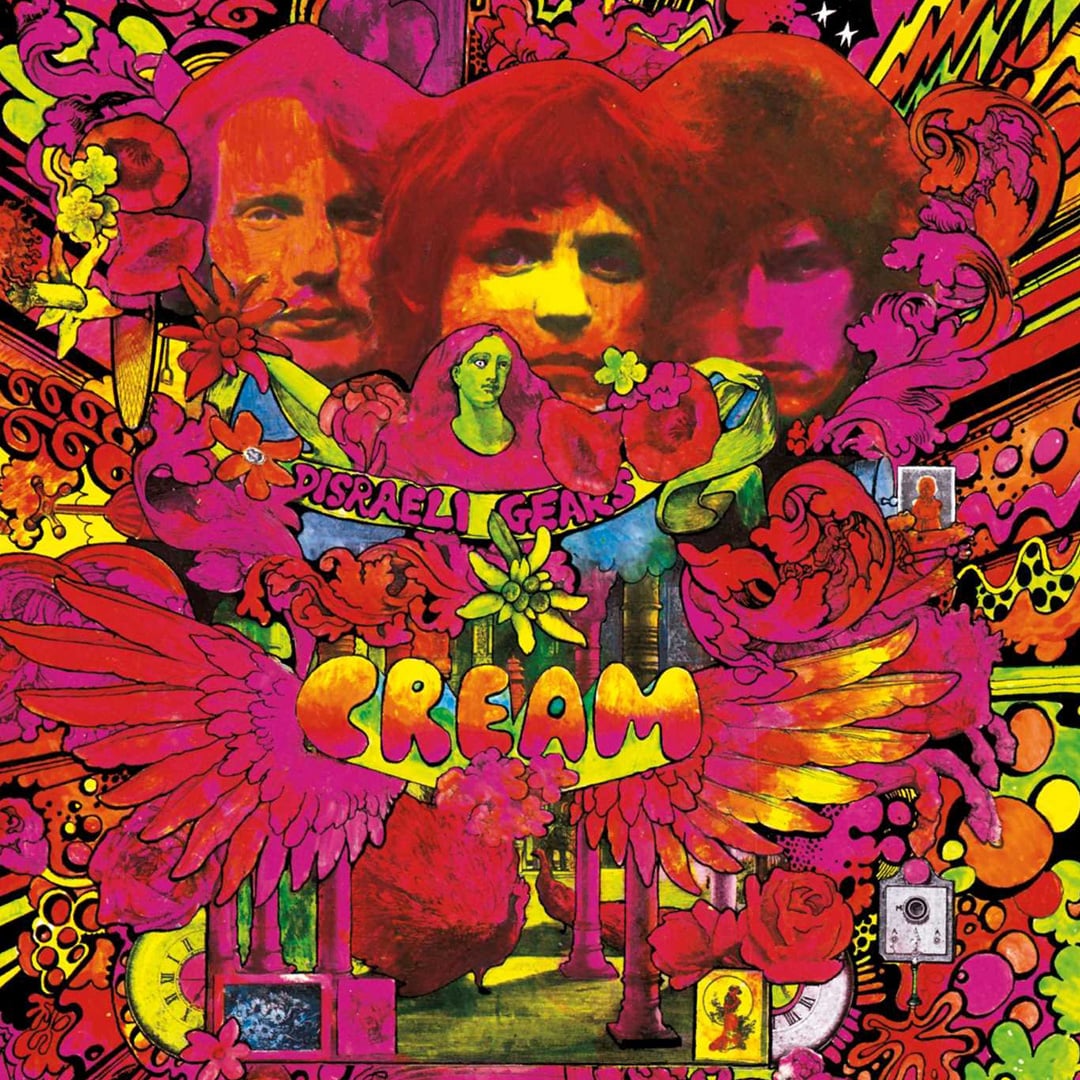
Fresh Cream was actually more akin to off milk. It was the worst thing a supergroup can be: unoriginal and overinflated. Sure, the musicianship was good, but all the excellence stood to serve was the overcooking of stale classics. While the members might have been hyped, their false start offered nothing new to the emerging British blues cannon other than chops that everyone was already well aware of.
The worry was that Disraeli Gears might offer too much. Eric Clapton and psychedelia didn’t seem to be a great match. Was he simply trying to stay on level terms with Jimi Hendrix? Well, when the record arrived, all those fears were instantly eroded in a strange, sultry mirage of sound. Disraeli Gears proved to be the perfect psychedelic record.
The mainstay of the flower power movement could, at times, be wishy-washy and indulgent, but Cream cut through the haze with power, grit and vital bludgeon of fresh hooks. They brought the world peace and love with all the pointedness of a heavyweight’s uppercut.
1970s: Crosby, Stills, Nash and Young – ‘Déjà Vu’
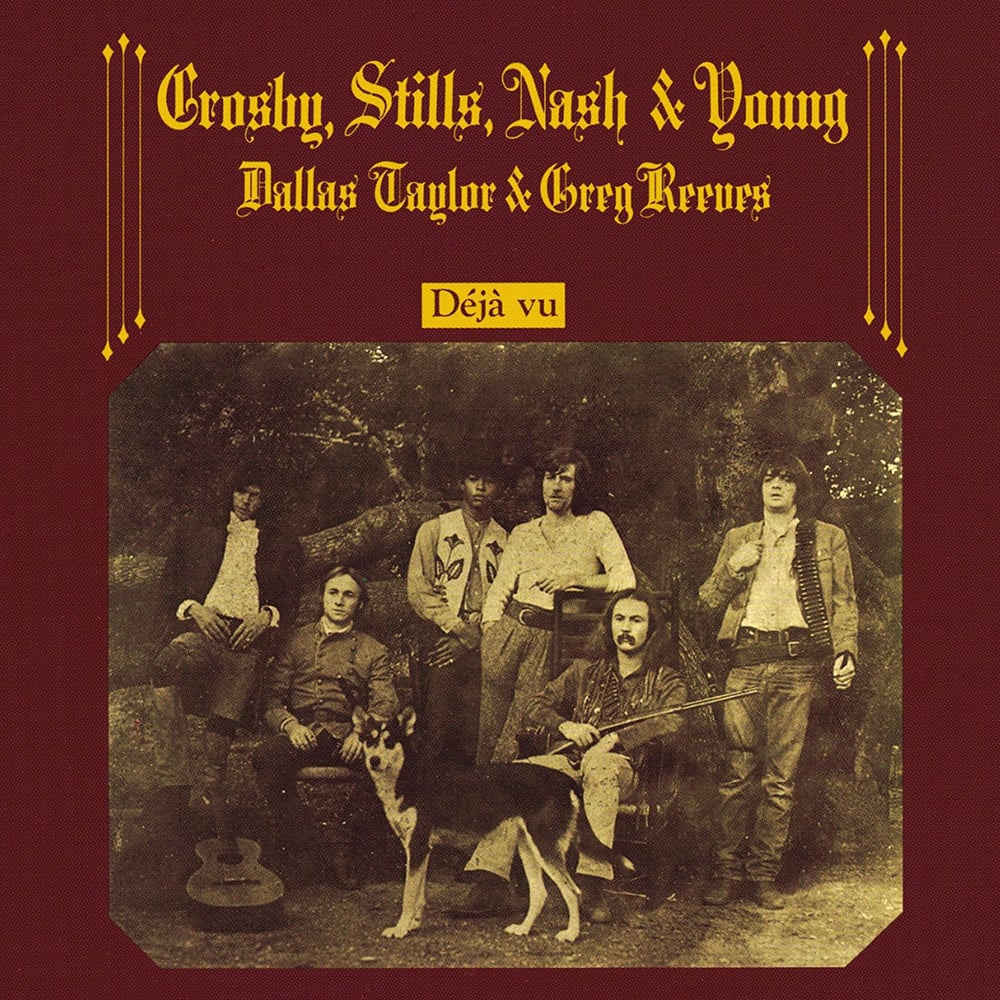
In 1969, David Crosby, Stephen Stills and Graham Nash all found themselves without a band at the same time. Crosby was without The Byrds, Stills was without Buffalo Springfield, and Nash was without the Hollies. What do a bunch of bored musicians do other than jam? So that’s what they did. The result was a self-titled debut from the three men, and it was great.
But then, in 1970, someone else joined. Imagine already having the most powerful supergroup in folk rock and then bringing in Neil Young? I bet the ground shook in LA that day, all the musical community felt it as another major player entered the troupe.
Together, they made Déjà Vu, an album that’s not only one of the best supergroup records ever made, but one of the best folk-rock albums ever made, full stop. While the band’s debut was beautiful, this is where the power lies, with several hits, including ‘Woodstock’ and ‘Almost Cut My Hair’.
1980s: Travelling Wilburys – ‘Traveling Wilburys Vol. 1’
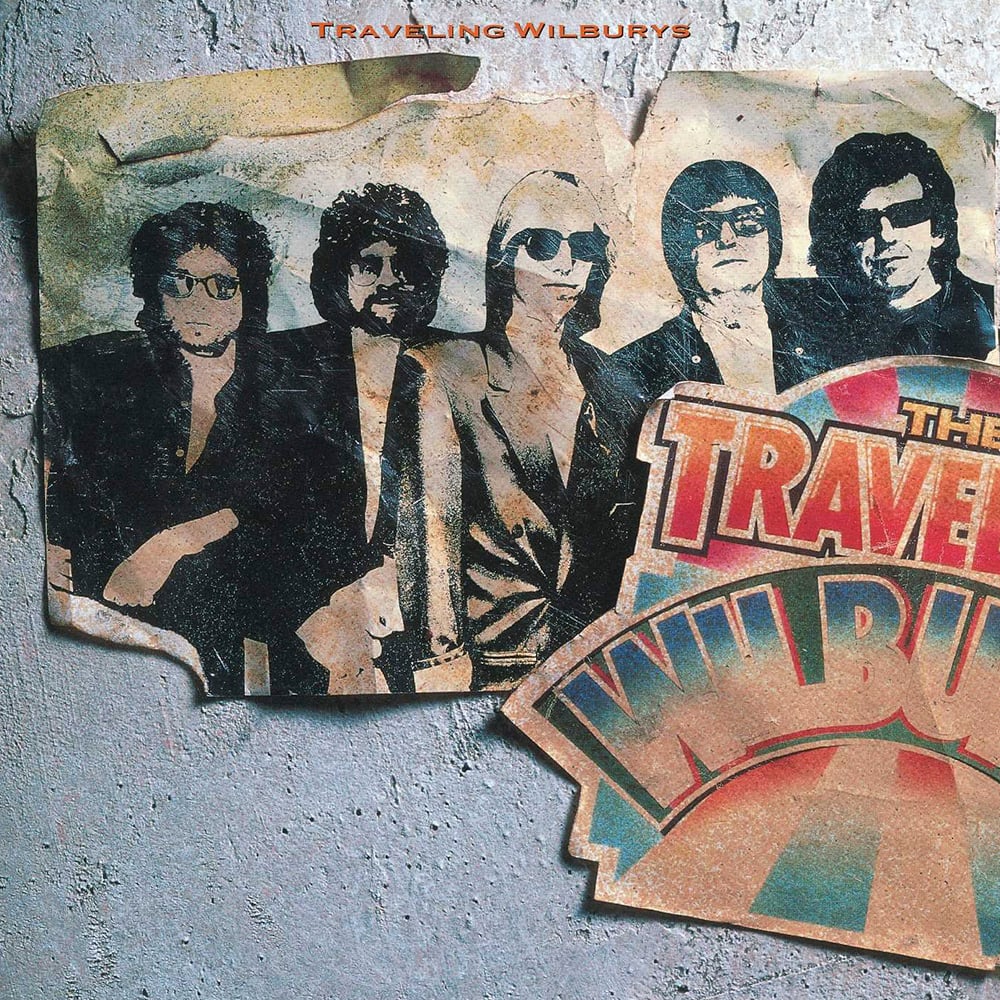
The Traveling Wilburys, perhaps more so than any other supergroup, perfectly encapsulate what they’re really for. Sure, some might argue that the point of it all is to bring together the power, fame and musical prowess of a bunch of individual stars in the hope of merely multiplying the potential. But really, supergroups are more often than not an exercise in an artist shaking off their brand, shaking off the shackles, and all coming together to reinvigorate one another.
Traveling Wilburys did exactly that at a point where it’s members, George Harrison, Bob Dylan, Tom Petty, Jeff Lynne and Roy Orbison, all needed it. As friends who has existed in each others orbit for quite a while and were already entangled in a complex map of collaborations, them playing together started naturally and was quickly something great, captured first on Traveling Wilburys Vol. 1. Instantly, ‘Handle With Care’ knocks it out of the part as a song that would be powerful had it been written and released by any one member alone, but with all their voices and instrumentation together, it becomes like a kind of music Avengers with the finest all putting in their best.
1990s: Temple of the Dog – ‘Temple of the Dog’
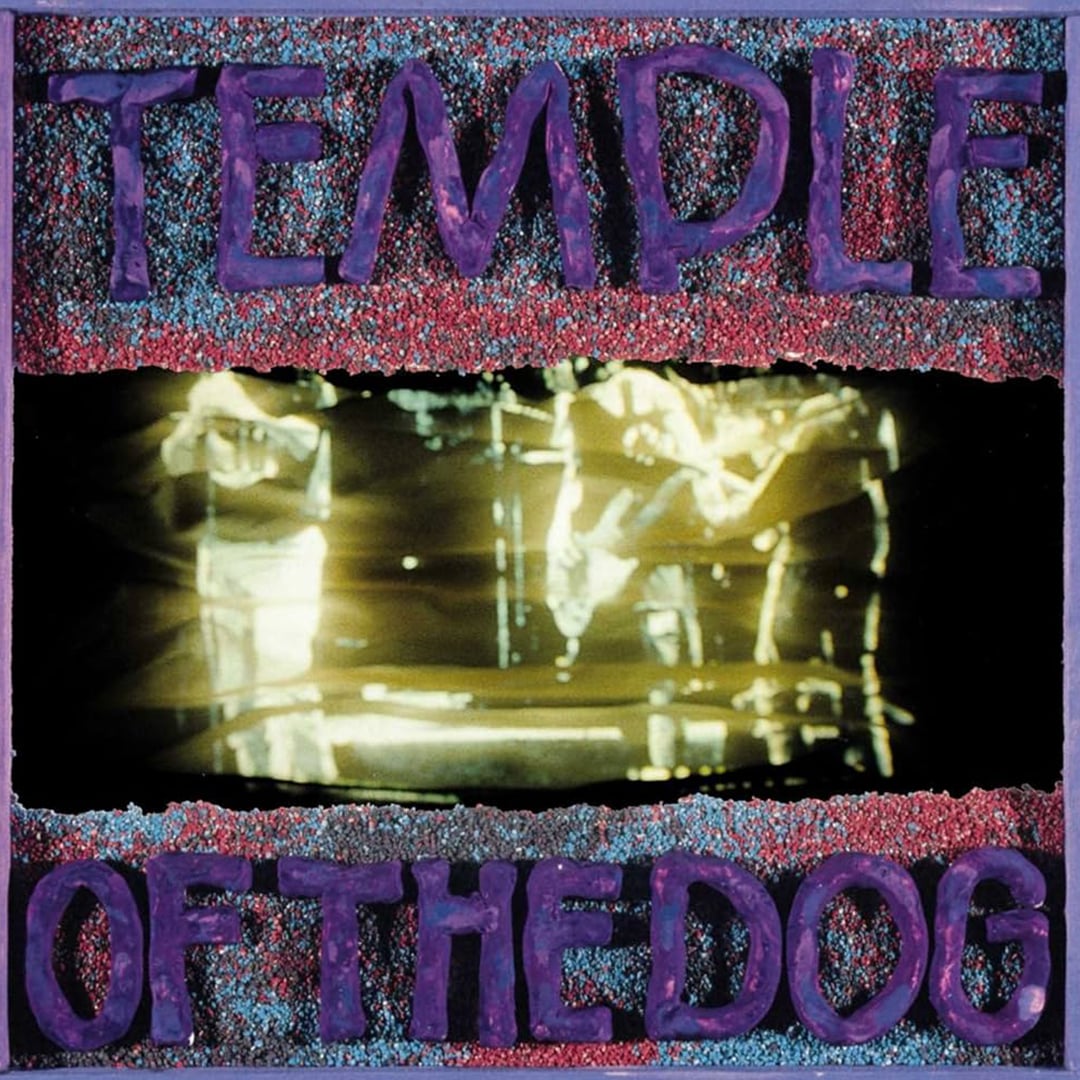
Grunge was the groove of the day, so a few of its favourite sons got together to crown the moment. Starring Chris Cornell, Stone Gossard, Jeff Ament, Mike McCready, and Matt Cameron, the Seattle band formed in tribute to the late Andrew Wood, who had been the lead singer of the bands Malfunkshun and Mother Love Bone.
Wood was pivotal in ensuring that the Seattle movement was stirred up in the first place, and Temple of the Dog honoured him in style. The passion with which the band played perfectly captured the emotive wallop of grunge at its most effervescent. Cornell crooned with class, and the rest of the band were tight enough that they’d be moved to form Pearl Jam to keep the gig going.
Often, supergroup records can seem like outliers of an era, but perhaps the highest compliment you can pay Temple of the Dog is that it not only nestled right into the early ’90s, it helped to inspire what followed.
2000s: Them Crooked Vultures – ‘The Crooked Vultures’
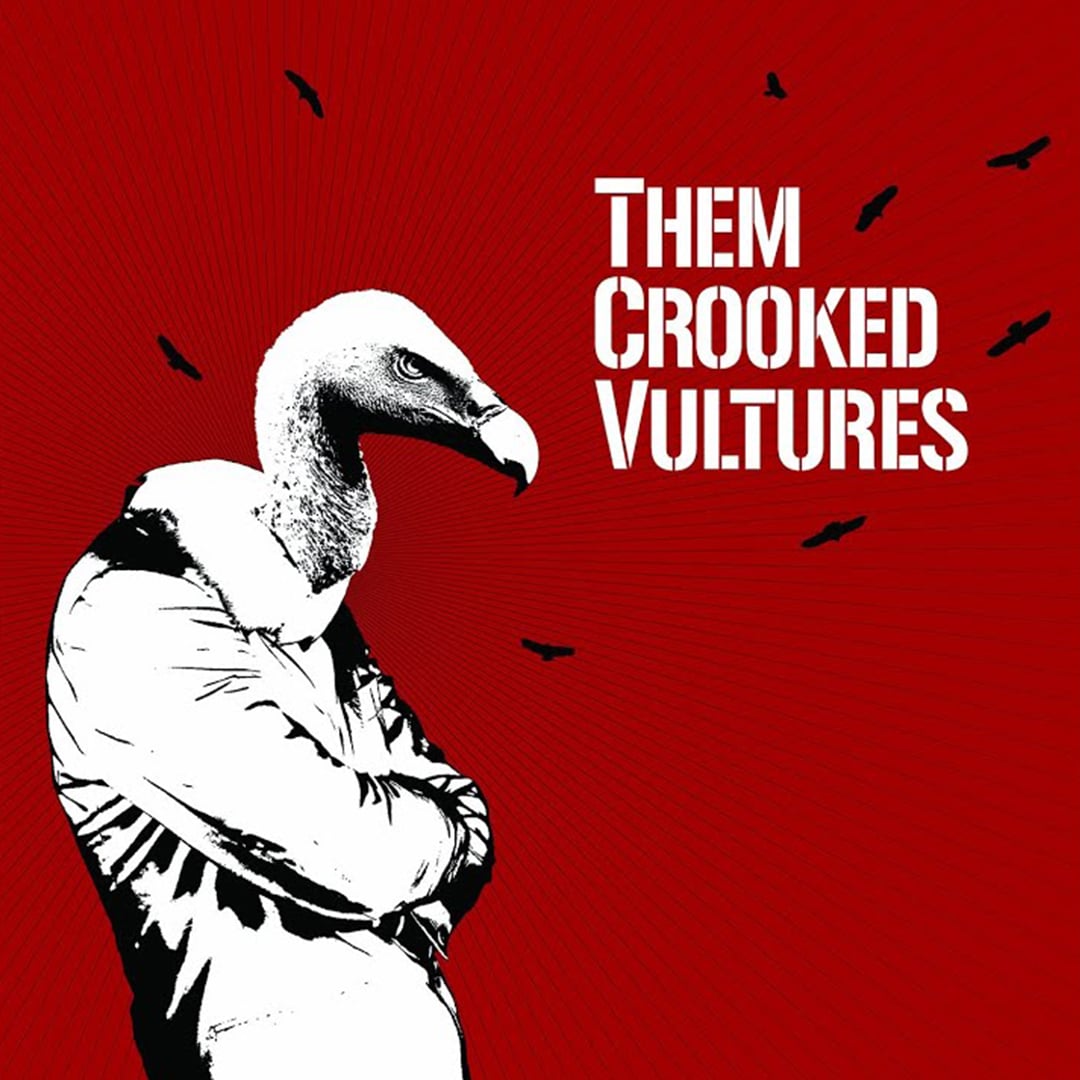
Josh Homme brought the mysticism and desert mirage of Queens of the Stone Age, Dave Grohl brought the propulsion of his unqie beat, and John Paul Jones brought the drama and orchestration of Led Zeppelin to Them Crooked Vultures, creating a musical whirlwind of pure power. Back in 2009, the jingly-jangly era of indie sleeze, this record landed like bltizkreig of brilliant musicianship that sounded almost like a reckoning.
The folly of supergroups is that they always sound better on paper. But on paper, Them Crooked Vultures couldn’t fail. Grohl and Homme had already worked together to awe-inspiring effect just a few years earlier, and throwing the compositional mastery of Jones – a reserved maestro who seems to work well with everyone – into the mix was always going to make for a masterful record.
It turned out to be bold, bruising, and full of intrigue. Tracks like ‘New Fang’ felt ginormous, serving with ace musicianship. Sure, it didn’t quite reinvent what Homme was already doing, but that’s hardly a criticism.
2010s: The Last Shadow Puppets – <em>Everything You’ve Come to Expect</em>
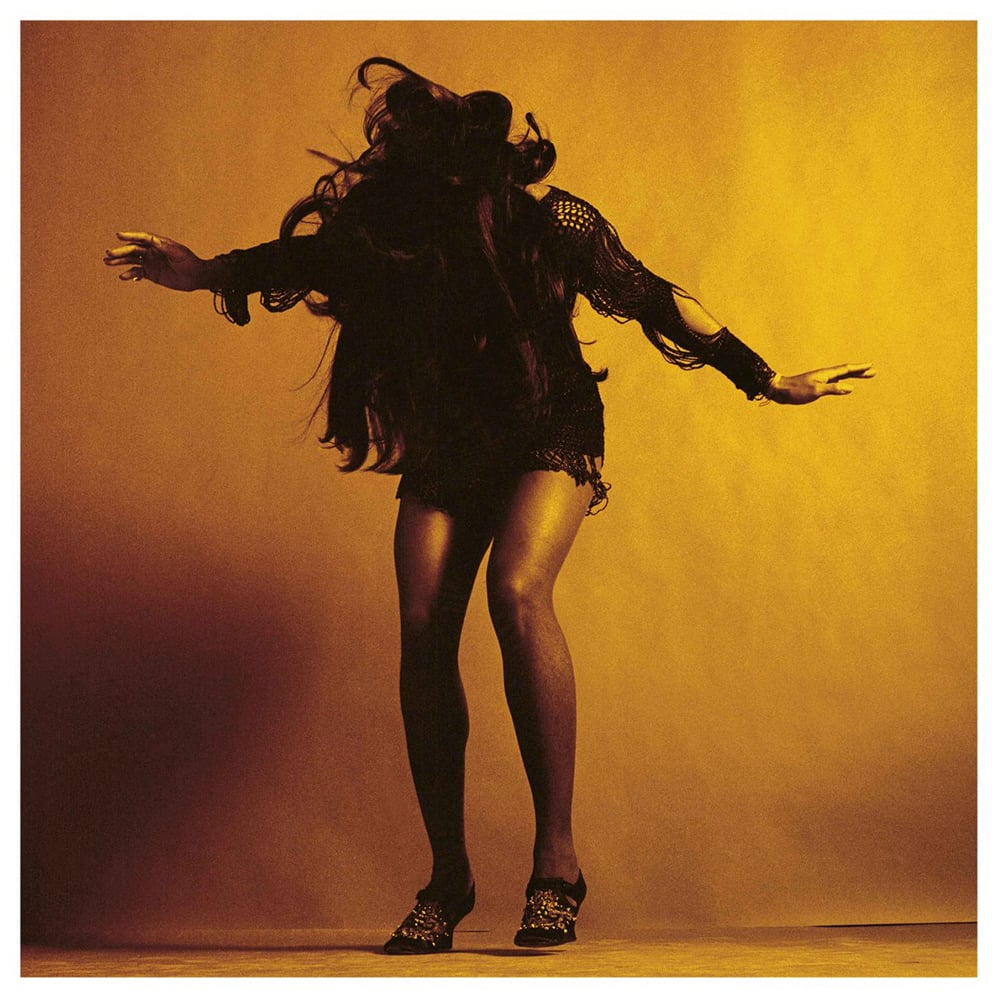
Rumour has it that by the time Alex Turner and Miles Kane made their second collaborative album, they weren’t allowed to tour without their family present because things were getting a bit too rowdy and out of hand. That’s what you get when two friends work together – you also get great tunes.
Realistically, the coming together of these two was always going to be great, as the two pillars of modern indie rock have always worked in the same lanes. They proved that on their debut album, which is a solid offering. But on their second release, they took a step up as both offered up tracks that were better than what they were doing off in their own corners. ‘Miracle Aligner’ and ‘Sweet Dreams, TN’ usurp any Arctic Monkeys track from the coming Tranquillity Base era. Literally every song on this joint record is better than any Miles Kane song, as together, they leant into the chaos and made an album that was sexy, eclectic and most of all, very fun.
2020s: Boygenius – <em>The Record</em>

Someone is going to get mad at me for putting a modern trio over CSNY, but I stand by it. When considering all the things a supergroup is and should be, as a unit that provides each member with a boost of creative freedom, a project that encapsulates the best of its built, and a group that still feels like a band despite the solo power, Boygenius is the ultimate example.
The trio, made up of Phoebe Bridgers, Lucy Dacus and Julien Baker, are so powerful that it has completely and utterly changed the career of all three members, boosting each one’s fame to a level far above where it was before. After coming together in 2018 when all three were relatively new names on the scene and were only just gaining traction as ones to watch, the release of their debut in 2023 saw all three, who were now well-established acts, boom to a new scale.
But it’s not about the notoriety. As an album, The Record is an incredible one that allows all three members to shine but also encourages them to think outside the box. The three friends have such natural chemistry, and that’s what leads to their sound being at their best but also like one unit, moving together to make something special.
An Underrated Honourable Mention: Big Red Machine – ‘How Long Do You Think It’s Gonna Last?’
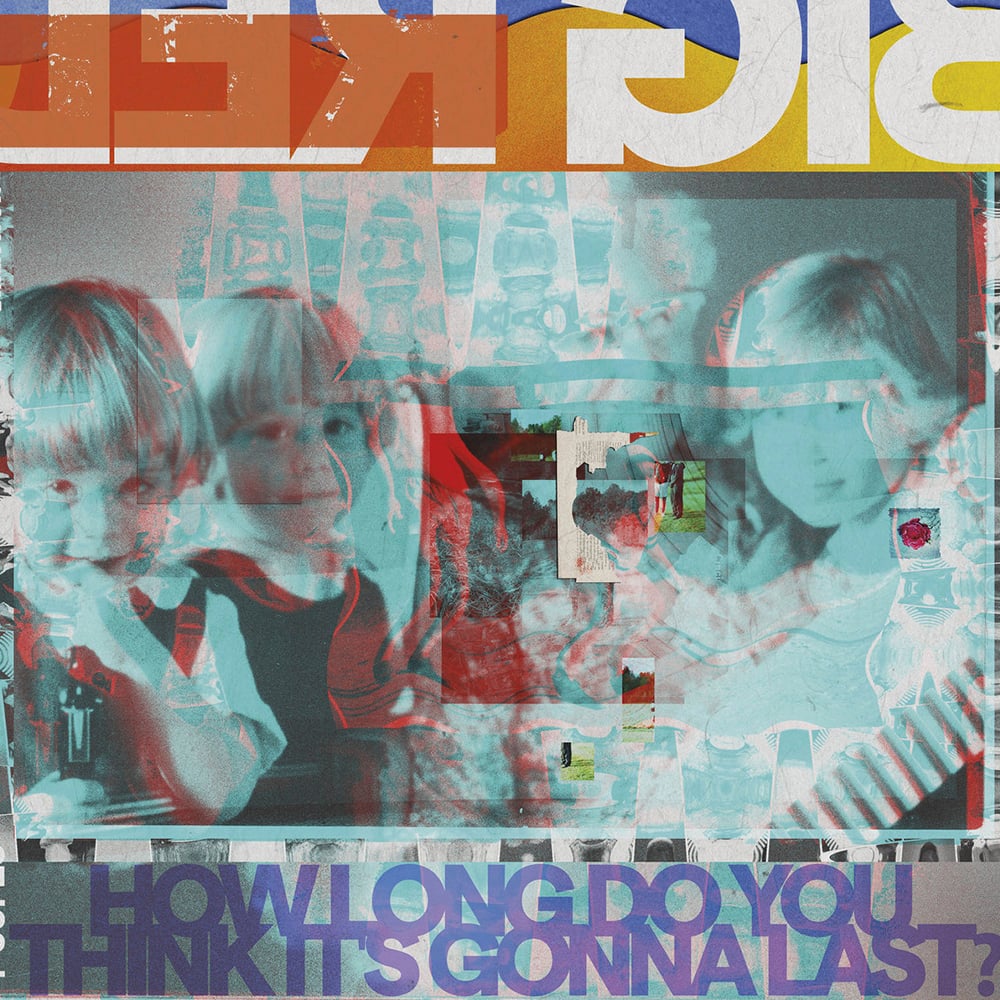
The collaboration between Justin Vernon and Aaron Dessner goes back way further than you’d think it does. The pair began working together in 2008, when Dessner messaged Vernon on MySpace before they’d ever met, when Bon Iver was only just gaining traction and The National was still on the rise. But even that early, the two formed a kind of kinship, where their musicality was different but seemed to work together perfectly.
Years on, their 2021 album, How Long Do You Think It’s Gonna Last?, the second the pair made, was a masterpiece. You might be thinking, does a duo count as a supergroup? But given that on that album, they also roped in Ben Howard, Anais Mitchell, Fleet Foxes, Sharon Van Etten and more, including global pop superstar Taylor Swift, I’d say this album definitely hits supergroup status when the collaborators all move in and out seamlessly.
Even as people come and go, it doesn’t feel like a random amalgamation of features. Instead, it feels like a cast of voices that meld together perfectly, taking turns to step into the spotlight. Given that it manages to make even Taylor Swift simply feel like one of many, or just one part of a powerful group, surely that’s a sign of something really special when it comes to collaborative projects that just worked.
