


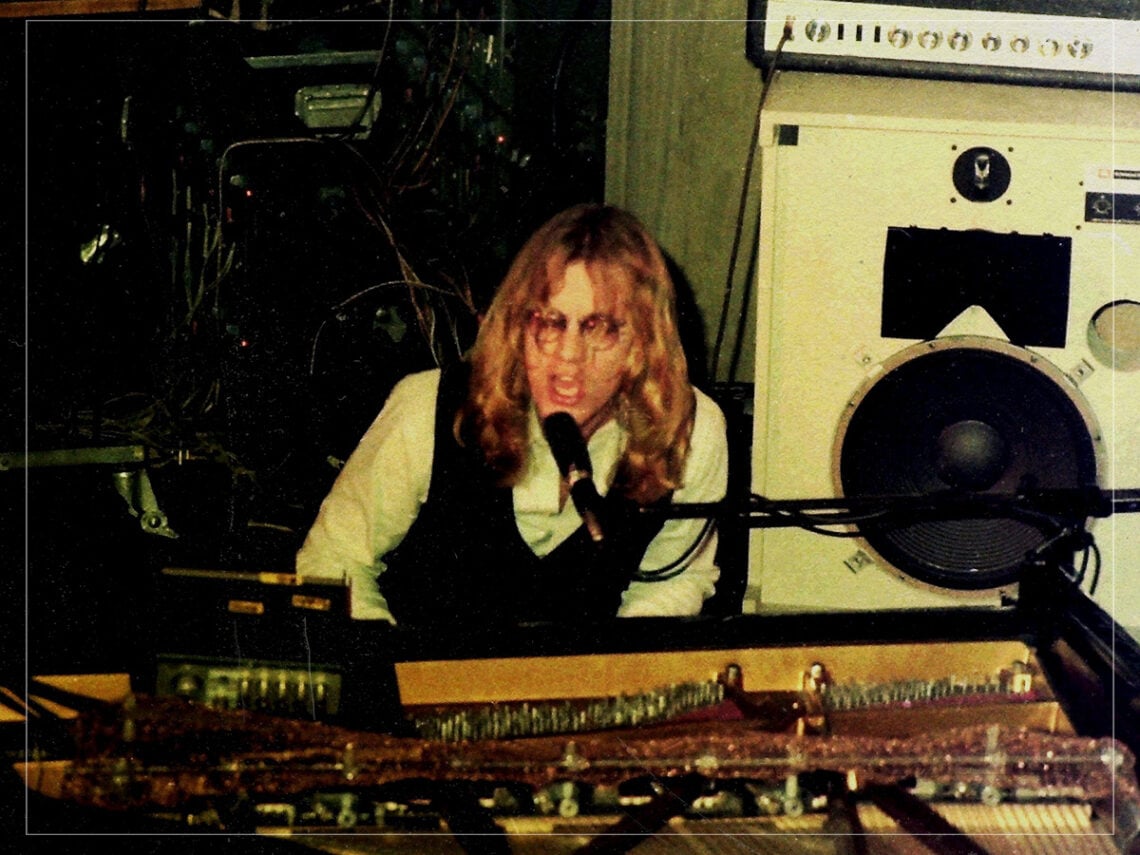
What is the greatest opening line of Warren Zevon’s career?

“Roland was a warrior from the land of the Midnight Sun” is the line that sets up Warren Zevon’s listeners with exactly what they’re not about to be listening to.
The grandiose opening of his song ‘Roland the Headless Thompson Gunner’ from his 1978 album Excitable Boy introduces a noble character that will be shrunk to nothing by the second verse.
The curious game of prose the Chicago songwriter invites the listener to join is a very tasteful play on something very solemn. The realities of warfare go beyond the mainstream narratives of glory, and Zevon ingeniously contrasts its raw bloodshed with an opening that is all too heroic to be matched by the truth of its undoing.
The song tells the story of a fictional fighter from Norway, the land where the sun never sets on longer summer days, and its theatrical retelling as “the land of the Midnight Sun” leaves much to be desired, while also providing a blank canvas on which any soldier’s tale can see itself mirrored.
The line accompanies a joyful melody that’s reminiscent of pirate songs and old tales of heroes come and gone. What can be confused as a campfire tune quickly falls into a true reckoning with the pain and stone-cold revenge of human conflict, and its inspiration was no other than a real ex-mercenary, with whom Zevon co-wrote the song.
“In 1974, I ran off to Spain and got a job in an Irish bar called the Dubliner, in Sitges, on the Costa Brava. The proprietor was a piratical ex-mercenary named David Lindell,” Zevon revealed. After his stint fighting in Africa, Lindell ended up sharing tales of his adventures over a glass, and taken to humanity’s darker side, Zevon was quick to turn the tale into a song. This collaboration with Lindell also brought ‘Nighttime in the Switching Yard’ to life, another track on the same album.
The irony of the song was that one of Zevon’s most macabre works was also the last he sang live before passing away, and the year before his death, he geared up to bring Roland to life (and death) one last time on The Late Show with David Letterman in 2002.
Even as a vengeful ghost, the character of Roland symbolically fights from the side of the oppressed, likening his journey to an unending force for justice or revolution. The song’s final line suggests the song’s immortality, that the mercenary being heard in places like Ireland, Lebanon, and Palestine means the struggle to be endless and everywhere.
Zevon’s explicit inclusion of the CIA boldly highlighted what many contemporaries of his were hesitant to make a point of: the unstoppable involvement of US military powers in foreign conflicts. ‘Roland the Headless Thompson Gunner’ was written at a time when many marched firmly against US involvement in Vietnam and in the Middle East, just as many anonymous young American boys set out “With a Thompson gun for hire, fighting to be done”, following a narrative that praised them for fighting blindly as headless Roland once did.
