


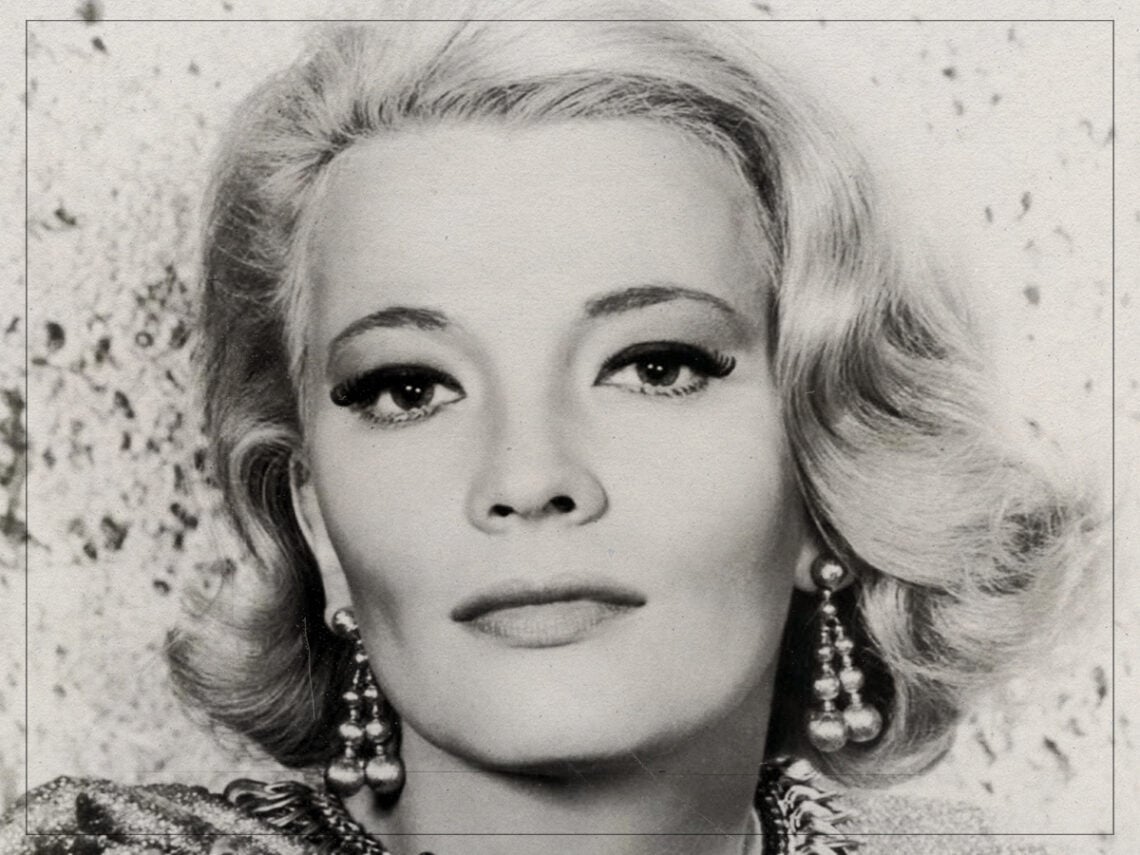
The greatest acting performance of all time, according to Gena Rowlands

It’s easy to forget there was a time before Gena Rowlands.
So much of a permanent fixture has she become on contemporary actors’ lists of influences that it’s difficult to remember actors that came before her, actors that probably inspired her.
Rowland’s performance in her husband John Cassavetes’ films, most notably A Woman Under The Influence, is so powerful that it easily blots out all those that came before. After all, as Stellan Skarsgård points out, that film is really the birth of modern cinema.
But, of course, your favourite actor’s favourite actor has to have a favourite actor. (Try saying that five times.) There were decades of cinema that preceded Rowlands, and she very clearly draws from them. “Oh, there are so many, so many… How can I possibly choose?” she mused to Cindy Pearlman in the book, You Gotta See This: More Than 100 of Hollywood’s Best Reveal and Discuss Their Favourite Films.
Yet choose she does, and really, there’s only one classic actor that it really could be for the great Gena Rowlands: Bette Davis. Before Rowlands was at the top of everyone’s list, there was Davis, who is still widely considered one of the greatest actors of all time. Like Rowlands after her, Davis was renowned for her ability and desire to play unsympathetic women of all kinds, from the selfish and unfeeling Mildred in Of Human Bondage to her Academy Award-winning performance as tempestuous Southern belle Julie in Jezebel.
For Rowlands, however, the greatest acting performance of not only Davis’ career but that she ever saw was in Dark Victory, about which she explained, “I’m a huge fan of Dark Victory. I don’t think you’re allowed to forget Bette Davis walking up those stairs”.
Dark Victory was a 1939 melodrama that saw Davis playing a young hedonistic socialite diagnosed with a terminal brain tumour, and in the final scene of the film, she starts losing her sight, the ultimate sign that her time is upon her. It’s this scene that Rowlands references, as Davis’ character Judith makes her way upstairs to be alone when she dies, where, without saying as much, she is saying farewell to her housekeeper and, in an especially touching moment, her dogs. Her ascent is slowed by her sudden loss of sight and progressing illness, with Davis playing her both deeply sad, deeply content and putting on a brave face.
“How could you possibly forget her?” Rowlands said, “She burned that scene into your mind, which is the mark of great acting”. With those emotive eyes and that voice, it’s difficult not to be affected by Davis, and even though Dark Victory was a melodrama, which are by most accounts perceived as overacted in our era of realism, there’s no denying the great Bette Davis’ magnetism.
The same goes for Rowland herself, who is, by her own description, a great actor. After all, many of her performances are burned into the minds of fellow actors and audiences alike.
