


The 1969 Grateful Dead song made “weird” for Jimi Hendrix

Jimi Hendrix and the Grateful Dead were not complete strangers. The two artists had plenty of overlap in the psychedelic rock scene of the 1960s. Outside of San Francisco, the Dead could hardly get arrested, but occasionally, that’s all they could do.
Meanwhile, Hendrix was a superstar. But the two shared plenty of bills, including both the Monterey Pop Festival and the Woodstock Music and Arts Festival.
The Dead actually played between Hendrix and The Who at Monterey, acting as the middle in a sandwich of chaos and destruction. Grateful Dead’s set was seen as unremarkable within the group, setting a precedent for some of the band’s “big gigs”. At other points, Hendrix actually stood up for the Grateful Dead after asking to jam with them. It was a tenuous relationship, but there was still plenty of mutual respect between the two artists.
While the Dead were recording Aoxomoxoa in 1969, one of their most experimental tracks became even crazier when the band learned that Hendrix would be coming through. As band lyricist Robert Hunter recalled during one of his solo concerts on June 10th, 2003, Hendrix’s planned visit caused them to take the already psychedelic ‘What’s Become of the Baby’ and push it over the edge of normal music.
What followed was less a traditional recording session and more an exercise in sonic experimentation. With Hendrix’s visit looming, the band leaned fully into abstraction, stripping away conventional structure in favour of eerie textures, disjointed vocal layers, and an almost hallucinatory atmosphere that bore little resemblance to its original form.
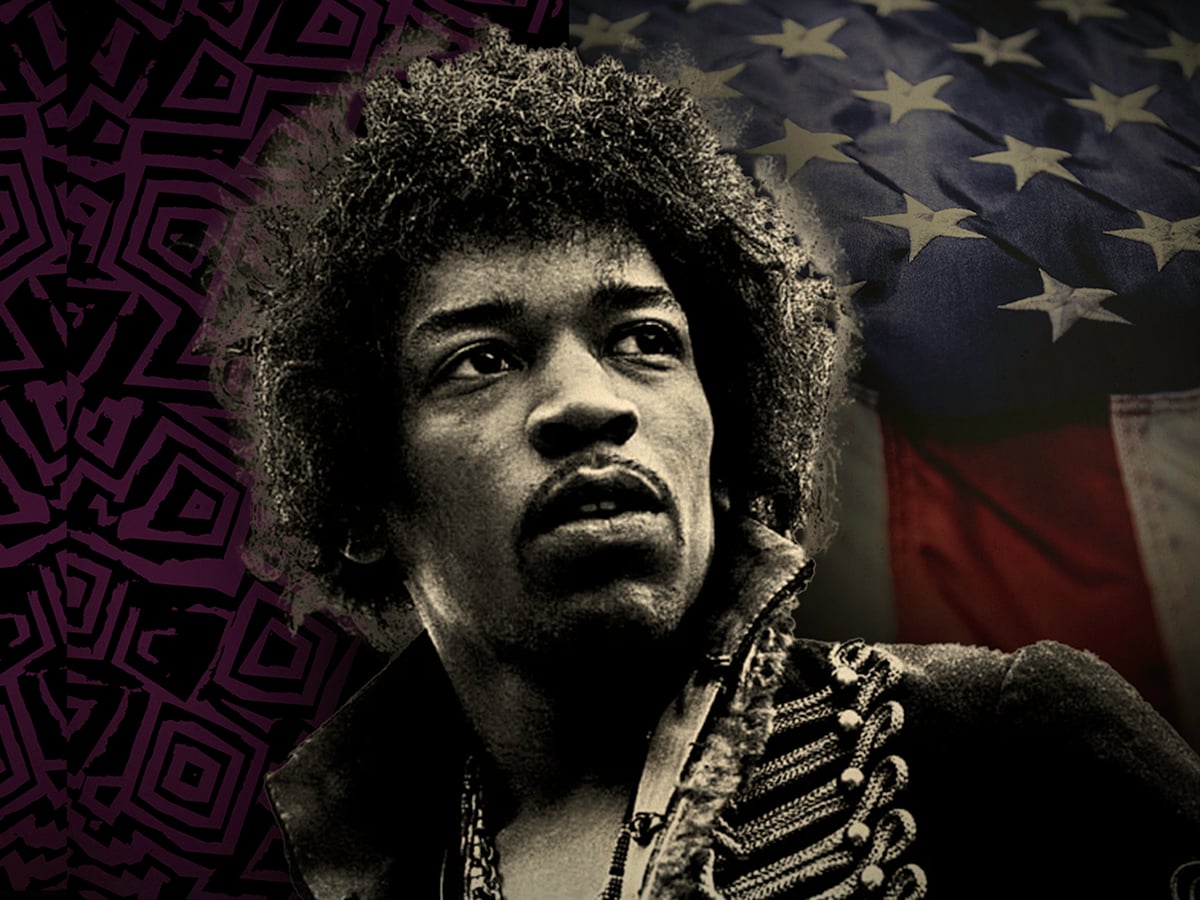
The result was a track that sat at the extreme edge of the Grateful Dead’s already expansive catalogue. While it captured the spirit of the era’s psychedelic excess, it also became something of an outlier—too unconventional for regular performance, yet emblematic of a moment when the band were willing to dismantle their own ideas in pursuit of something entirely new.
“I think a lot of people don’t realise that ‘What’s Become Of The Baby’ was a very beautiful, art-nouveau kind of thing,” Hunter told the crowd. “But the thing was, Jimi Hendrix was going to come over to the studio, so we decided to get it good and weird so he could hear it.”

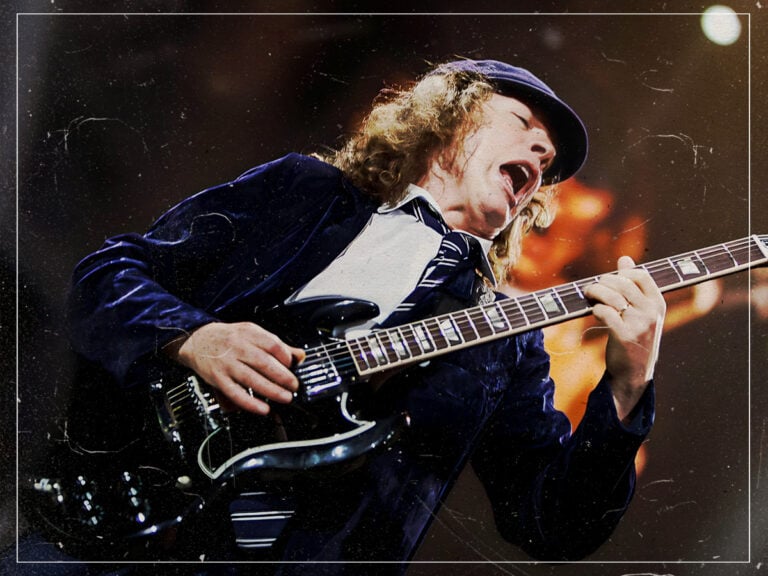
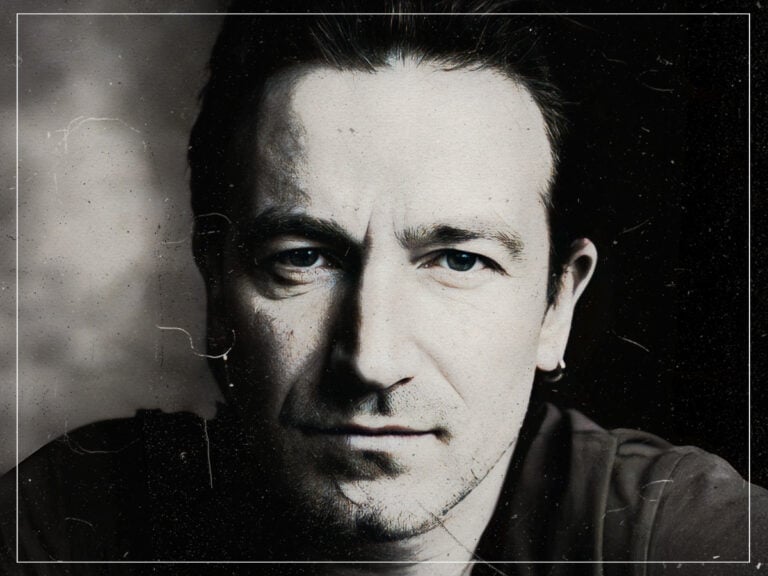
“I’ll just start it, to give you an idea how Jerry originally wrote it, and what it was intended to sound like. I won’t get the chords right, so I’ll just sing a verse,” Hunter explained before singing an acoustic version of the song’s first verse and chorus. “It was a minuet, but we already had one minuet on the record, which was ‘Mountains Of The Moon’, so we just got really ripped and decided to screw with it bad!”
‘What’s Become of the Baby’ was so inscrutable that it never saw a proper live performance from the band. With one notable exception: the Dead’s April 26th show at the Kinetic Playground in Chicago. This particular show has always been one of the Dead’s more legendary gigs on account of its circumstances. The previous night, The Velvet Underground had played so long that the Dead could only play a truncated set before curfew cut them off. The next night, the Dead were out for revenge.
The result was a nearly four-hour-long concert, complete with long jams and rarities that ensured that the Velvets couldn’t take the stage. The band’s encore is one of the wildest unbroken jam suites that the band ever pulled off. Starting off with ‘Viola Lee Blues’, the Dead weaved in and out of dense feedback interludes while pulling in elements of ‘Caution’. Toward the end of the jam, just as the band were reaching the apex of their distorted improvisation, the studio version of ‘What’s Become of the Baby’ began to play over the PA system.
It would be the one and only “performance” of the song, even though nobody in the band was truly playing the track. The amount of feedback that the Dead produced that night surely would have impressed Hendrix, himself no stranger to the squeals and howls of audio interference. But by the time Hendrix passed away the following year, the Dead had completed their transition into an acoustic-focused folk phase highlighted by albums like Workingman’s Dead and American Beauty.
