


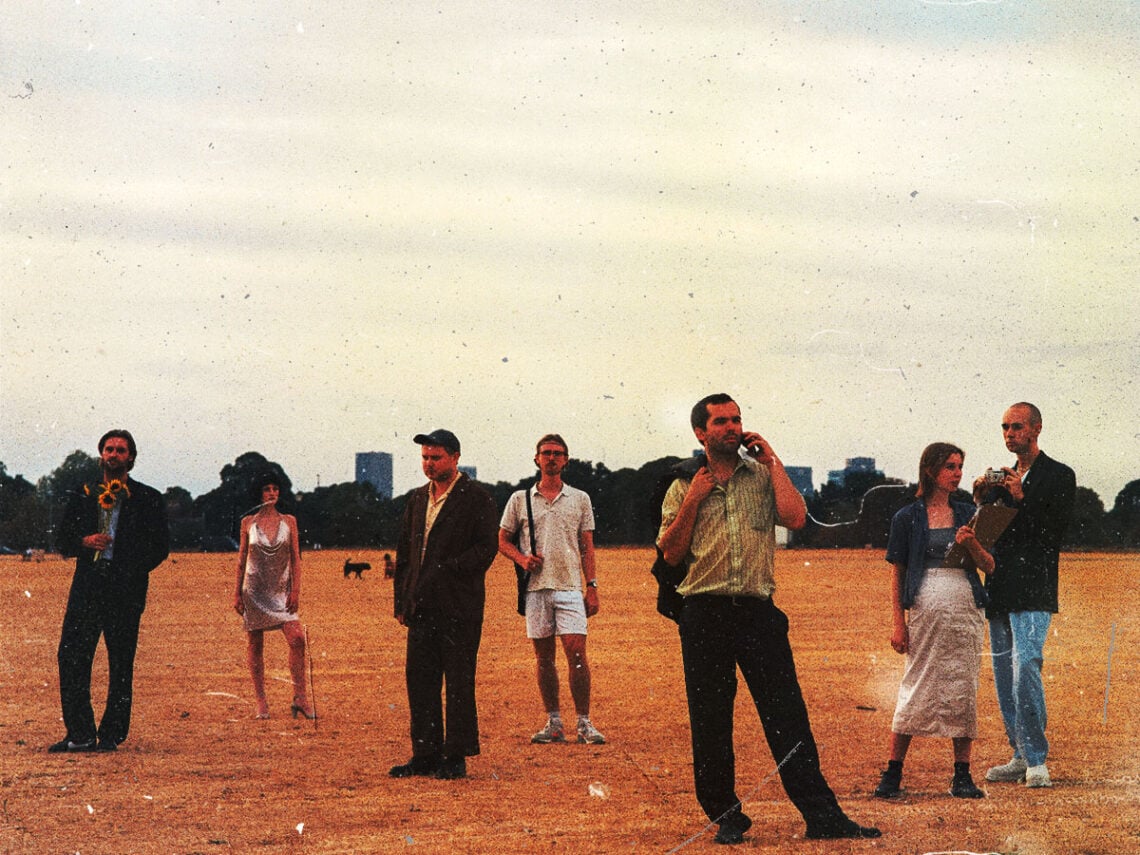
The Golden Dregs – ‘On Grace & Dignity’ album review: A sombre oddity

With a hushed voice that possesses a timbre somewhere between Iggy Pop’s modern growl and a Tolkien tree character, Ben Woods grumbles through a maudlin mix of sounds as though he is trying to desperately sustain ‘resting passport face’ as he sings. While that might sound scathing, it’s actually one of the many paradoxes of On Grace & Dignity, as The Golden Dregs craft what is essentially a whispery sonic sigh, and it proves oddly powerful throughout.
Speaking about the album, Woods explained: “This wasn’t a particularly easy album to write. It certainly didn’t come as quick as my previous records. When I started on it, I found a lot of comfort in writing music and creating textures, and through these I was able to escape a part of my life that was filled with uncertainty. But I really couldn’t get anywhere with writing lyrics. It wasn’t until I relocated to Cornwall, moving back in with my parents having lost my work in London due to the pandemic, that the words began to emerge.”
That sense of reflection is the crux of the record. In fact, even beyond that, it seems to encapsulate the post-modernist flourish of having to remain hushed in a parent’s spare room while trying to get creative. This makes the album relatable for an entire generation despite its glowing individualism. As the front cover suggests, this is a familiar vista but it’s oddly fractured and miniaturised.
Speaking more about the textured tones, Woods added: “With little else to do, I found myself taking a lot of walks around the areas I used to hang out in when I was younger, and bored and frustrated. Which I suppose is a state I had returned to. I spent a lot of time recounting my teenage years, finding comfort in nostalgia. I had also found work on a building site, which kept me busy but also showed a side of Cornwall far displaced from the experiences of my youth. These two worlds began to merge, and from that I was able to develop a world in which narratives could exist.”
And then comes the sombre side of things: “The sadness of passing time, and acute awareness that the past is very much the past, set amidst a drastically changing landscape, informed much of the writing. Without meaning to, themes of fire, water and mourning recurred throughout the writing.” There are, however, times when that mourning is perhaps a little too mellowed and you can feel swamped in it. When Woods is forced to move faster on tracks like ‘Woods’, a waltzing sense of life returns for the better.
Nevertheless, Woods would openly accept that this album is a learning curve. As he adds: “When I have written in the past I have found it cathartic, but this experience was very different to that. I didn’t feel particularly in control of the direction that the album took, and would often be filled with sadness when I would revisit a previous days writing, taunted by my own words. Now that my situation has changed and I am no longer living within the album I find it a comforting reminder of how things can get bad, but that something positive can emerge from them.”
The album itself is a paradigm of that, fractured and sometimes too mawkish to meddle with, there are moments when the jazzy textures shine through with originality and the boon of discovery. In this regard, it’s an album that comes to terms with itself, and that is always a promising sign for an emerging artist. When melody comes to the fore, the poetry suddenly makes sense.

Never Miss A Beat
The Far Out New Music Newsletter
All the latest New Music from the independent voice of culture.
Straight to your inbox.