


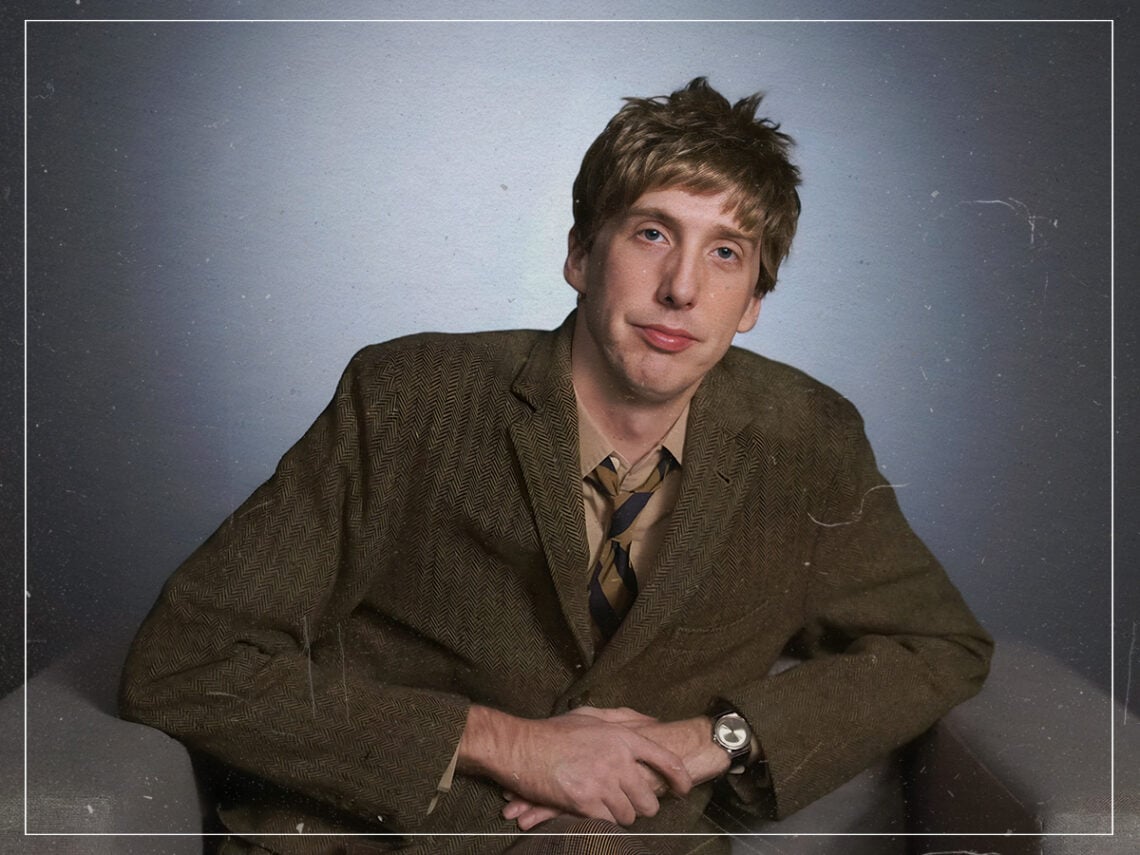
The “golden age” of Deerhunter, according to Bradford Cox

Atlanta indie rock band Deerhunter became cult favourites during their run in the late 2000s and early 2010s. They subverted simple indie catchiness with something unique and entrancing. Their sound always had a September feel, fitting sprinkling sepia tones into the mix as the boom of the genre approached its darker days.
Just before the beginning of their hiatus in 2019, frontman Bradford Cox sat down with Vulture to reminisce on some of the group’s best tracks. With a string of records on the brink of being masterpieces, he had plenty to talk about. When discussing ‘Nothing Ever Happened’ from 2008’s Microcastle, Cox admits that, in hindsight, that record was the band at their best.
While still remaining adventurous in their sound, the group took a crack at a more accessible soundscape. Luckily for them, it paid off. “That was the golden age; unfortunately we’re not in the golden age anymore. We’re in a rust age, but good things still happen,” he says. “You have to acknowledge that was an amazing time to yourself without trying to continue to live in it. I’ll never be that young again.”
Such sincerity and wherewithal are what made the band so amazing. They captured the halcyon days of youth with a strange, alluring, distant awareness that those days may well fade. That imbues their music with a magic and mysticism that was missing from many groups of the era.
The band were in their mid-20s during the Microcastle album cycle, and that potent brand of angst leaves its mark all over the record. “Life just passed and flashed right through me / Sleep through the winter, awake in the spring / Adjust your eyes to the state of things / Focus on the depth that was never there,” Cox sings on the jittery six-minute track—encapsulating the band’s philosophical intent.
Cox took an unorthodox route for the recording of ‘Nothing Ever Happened’, vying to record the bass and drums together in an effort to highlight then-bassist Josh Fauver’s work. “I think it’s a masterpiece of Josh’s writing; it shows so much of what an incredibly singular bass player he was,” he says.
Continuing, “Why I think I appreciate [bandmates] Josh and Moses [Archuleta] so much is, they didn’t provide me with what I’d have played if I’d been making these albums on my own. They provided a sort of contrast or counterpoint to what I was thinking should be there. I think our albums would’ve sounded a lot more dated had I played the bass and drums on them.” But they weren’t, they were dripping with originality and the profoundly engaging sense that Deerhunter were a ‘group’ in the true sense.
Contrary to common frontman behaviour, Cox’s idea of the band’s “golden age” surrounds their most collaborative efforts – the other standout track ‘, Agoraphobia’, is even sung by guitarist Lockett Pundt. The band were at their most jam-able with this lineup. Their intricate instrumentals could go on for hours if they so pleased. While they faced many lineup troubles that modern bands don’t typically face, for this era, they were stable.
