


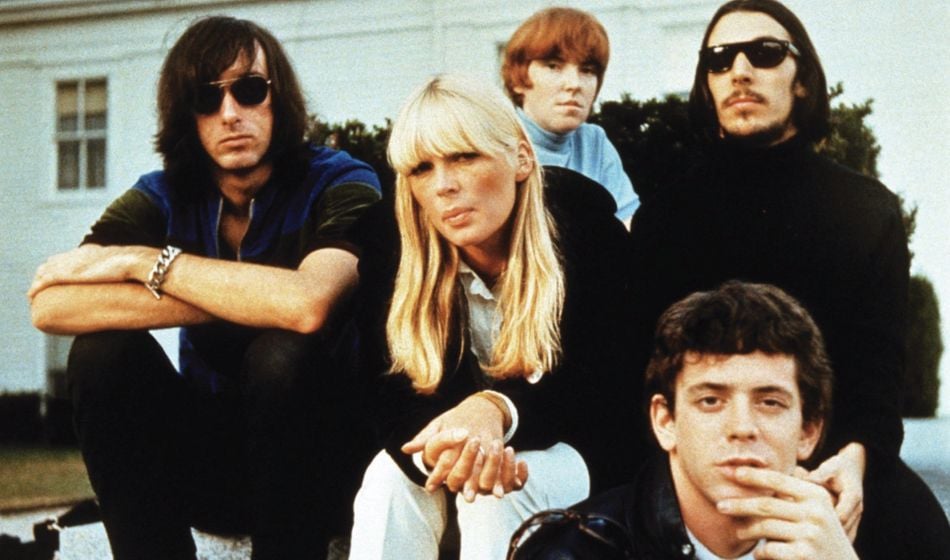
Listen to ‘The Gift’ by The Velvet Underground through John Cale’s isolated vocals

The Velvet Underground moved through a series of significant phases illustrated by their albums. Their early work tended to be on the more experimental end of proceedings and garnered little commercial attention, while the latter material was more commercially successful yet less seminal. The secret to the band’s early avant-garde exploration was the classically trained Welsh multi-instrumentalist, John Cale.
For the band’s first album, The Velvet Underground and Nico, they were taken under the wing of famed pop artist Andy Warhol. The eccentric visionary managed the group as part of his art troupe ‘The Factory’ and made many early promotional decisions for them. The debut record, complete with its Warhol-designed banana cover art, has since had an invaluable impact on the musical landscape over the past five decades. Still, it wasn’t well-received in the mainstream at the time.
Following their debut record, the band unshackled themselves from the creative dominion of Warhol and dropped Nico as a secondary singer (as Lou Reed and Cale had wished to be the only vocalists) for their second album White Light/White Heat. This second album was a further step into obscure avant-garde depravity with the thematic continuity of lyrics portraying salacious activity and drug abuse, which is most evident in the seventeen-minute epic, ‘Sister Ray’.
White Light/White Heat was never intended as a commercial LP, and the only songs that even loosely fit the ideal of pop music were the opening title track and ‘Here She Comes Now’. The album’s most intriguing moment, apart from the closing main course, ‘Sister Ray’, is a unique track called ‘The Gift’.
‘The Gift’ presents a morbid and humorous short story that Reed had written for a creative writing class. In the right channel of the record, the band perform a dense jam in a distorted style associated with the rest of the album. Meanwhile, Cale reads out the story in his droning Welsh accent.
Listen to the song below through John Cale’s isolated vocals below. Without the music, it’s probably better described as an eight-minute audiobook.
