


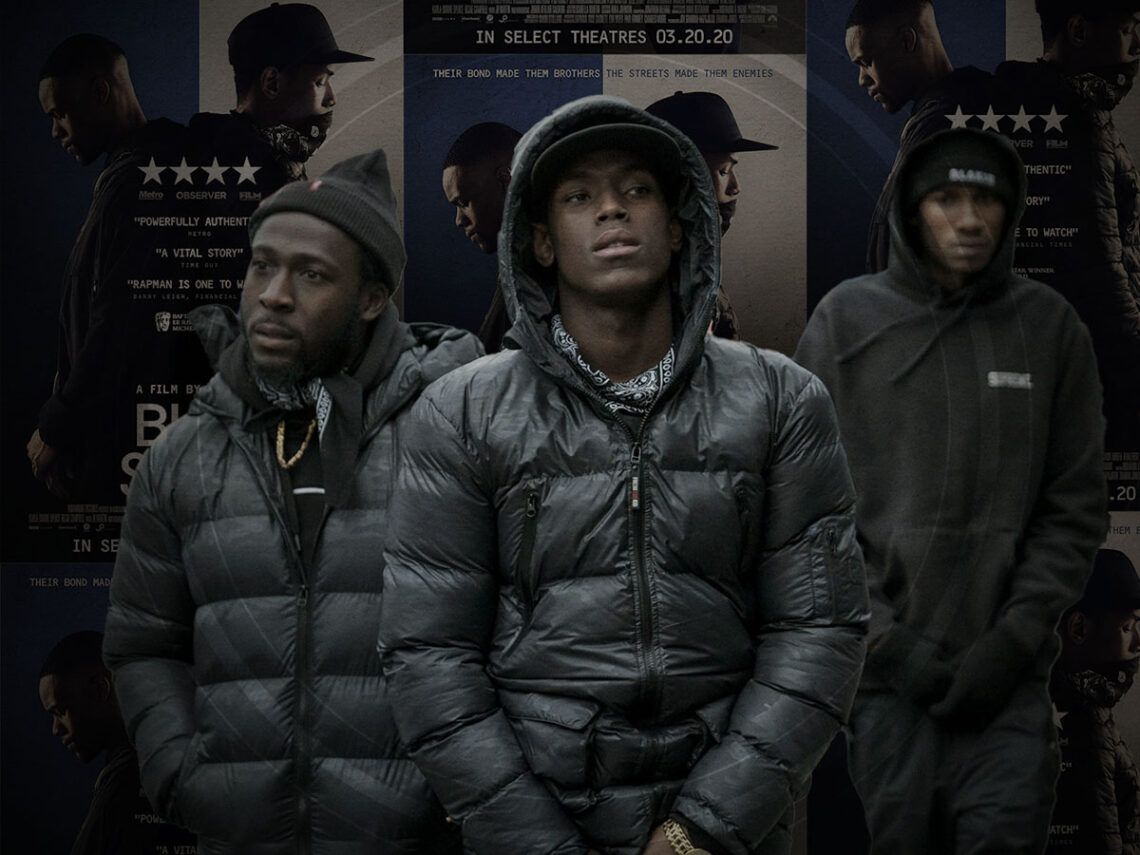
Institutional racism or genuine concern? | The gang movie temporarily banned in UK cinemas

In 2019, Andrew Onwubolu, better known as Rapman, made his directorial debut with Blue Story, a powerful tale of gang rivalry and postcode war set in southeast London, but it wasn’t long before the crime drama became the backdrop for several violent incidents in UK cinemas during screenings, leading to significant controversy.
At the Star City multiplex in Birmingham, around 100 teenagers were involved in fights in and outside of the cinema during a screening, which saw several police officers attacked with machetes when they tried to disperse the violence, and because a showing of the kids’ film Frozen 2 was also underway, audiences were quickly evacuated as the chaos unfolded, which raised the question of whether it had something to do with the violence of Blue Story.
Countless films released these days show pretty brutal and graphic violence, whether it’s gang-related or otherwise, but it was Blue Story in particular that seemed to cause a bit of moral panic, with Vue and Showcase cinemas banning all future screenings. There had reportedly been other violent incidents across the country, and these chains didn’t want to risk further safety concerns, even though the likes of Odeon and Cineworld continued to screen the film as normal.
“During the first 24 hours of the film, over 25 significant incidents were reported and escalated to senior management in 16 separate cinemas,” Vue said in a statement. But what about other movies that have been screened despite violent incidents associated with them? It didn’t take long for various audiences and activists to accuse Vue and Showcase of being racist, who used these attacks to quickly remove all screenings of this Black British drama from their cinemas.
Movies about the Black British experience, especially ones that hone in on themes like class, as Blue Story does, are hard to come by. It’s no secret that there is a huge disparity between the number of white and Black directors, especially in the UK, and stories like Blue Story are incredibly important in representing a vision of the country which actually reflects the experience of many citizens.
If British cinema were to simply show us the stories of white middle/upper-class people, the voices of those who form a large percentage of the population would be ignored. That’s why movies like Blue Story are so vital in expanding the country’s cinematic landscape.
So, for Vue and Showcase to put a blanket ban on the film, it’s hard to see this as simply an act of concern. How come The Dark Knight Rises remained in cinemas when an incident in the United States saw a shooter kill several audience members simply trying to watch the new Batman film?
In Vue’s statement, they also said, “Blue Story is a fantastic film and one with a very powerful message. It is a film that has the opportunity to change lives. We hope that Blue Story achieves the success it deserves and its message does not get lost.”
How did they expect this to happen if they pulled screenings from their 91 locations across the country?
In the end, both chains began showing the film again, adding increased security measures to these screenings, and, of course, everything was fine. Teenagers might get riled up by films about violence, but Blue Story is just one of many movies to explore fighting and crime, so to ban it across the whole country just reeks of institutional racism.
