


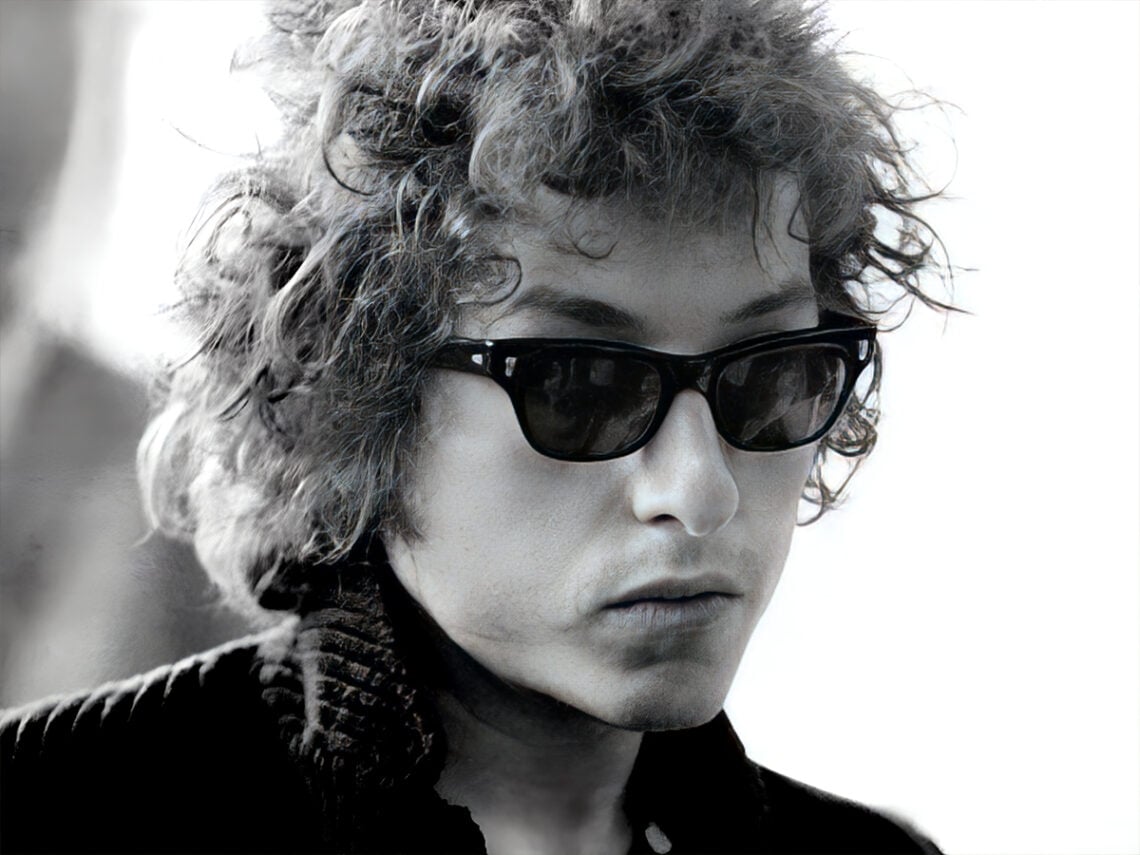
The folk song Bob Dylan references in ‘It Ain’t Me Babe’

Bob Dylan has always been known as a staunch appreciator of the history of folk music, and considering the impact that the artist has had on the genre throughout his career, it only seems appropriate that he would have a wealth of knowledge of the traditions that come alongside folk music and its broad songbook.
Folk music had already had a long recorded history by the time Dylan released his eponymous debut album in 1962, and the first use of the term ‘folk music’ dates back to the mid-19th century. Still, there’s plenty to prove that Dylan was well-educated on the music that influenced him so greatly.
Citing the likes of Hank Williams, Woody Guthrie and Robert Johnson as some of the most important and influential folk artists in his early career, Dylan himself has become widely celebrated as one of the most significant figures in folk in the 20th century, and still continues to release music six decades into his career. His own prowess means that he has also been a huge influence on others, with Joni Mitchell, Paul Simon and Neil Young among those who hail Dylan as a major point of reference to their own work.
Already within the first few years of his career, he was amassing an incredible catalogue of his own music, and his fourth album, Another Side of Bob Dylan, saw him reach even greater heights. Featuring a number of celebrated tracks such as ‘I Shall Be Free No. 10’ and ‘All I Really Want to Do’, the album is celebrated by fans in the modern day, although it was considered to be polarising at the time of its release. However, the final track from the album still remains one of his best.
‘It Ain’t Me Babe’ closes out Another Side of Bob Dylan in style, and was covered by a number of artists shortly after its release, with the Turtles, Johnny Cash and Jan & Dean all recording their own takes on the song before the end of 1965. While it’s one of Dylan’s finest moments, it takes a huge inspiration from a much older folk song by an artist who was crucial to the rise of the folk revival movement.
The opening line to the song, “go away from my window”, is a reference to the song ‘Go ‘Way From My Window’ by the influential folk artist John Jacob Niles, who Dylan has regularly cited as being an inspiration to his music. “I’d heard John Jacob Niles somewhere, strangely enough,” said Dylan in an interview for the 2005 Martin Scorsese documentary, No Direction Home. “I thought folk music was delivering me something which was the way I always felt about life, and people, and institutions, and ideology. It was just uncovering it all.”
Niles was active as a folk musician long before Dylan began his career and was known as a student of Appalachian folk music throughout history. His incredible falsetto vocals on the recording of the song are far from what Dylan was known for producing as a vocalist, but the stark simplicity of his songwriting is something that Dylan certainly took into his own music.
Not only does ‘It Ain’t Me Babe’ reference the music of Niles, but it also gives a nod to a far more contemporary song as well, with the refrain in the chorus of “no, no, no, it ain’t me babe” reported to be a reference to the way the Beatles deliver the line “she loves you, yeah, yeah, yeah,” on their 1963 hit ‘She Loves You’. Given that Dylan allegedly recorded the entire album that the track was taken from in just one night, it makes the subtle details scattered throughout the record all the more special.

Never Miss A Tale
The Far Out Bob Dylan Newsletter
All the latest stories about Bob Dylan from the independent voice of culture.
Straight to your inbox.