


The Fleetwood Mac song Lindsey Buckingham blocked Stevie Nicks from: “This is my song”

Ten years after Fleetwood Mac‘s seminal record Rumours, there was no sign of Lindsey Buckingham and Stevie Nicks repairing their relationship.
The open warfare of the 1977 album hadn’t settled scores and allowed them to move on, but rather highlighted all of the irreparable damage in their lives. What’s more, the overwhelming commercial success of that record meant that the songs couldn’t serve as a farewell, and instead, they were forced to soldier on together, in the face of their own conflict.
After Lindsey Buckingham forced the band to follow his vision in ‘79 with Tusk, the band’s creativity was permanently fractured. Really, the end of the ‘70s should have marked the triumphant end of the band, leaving on a high after delivering one of its most successful albums just three years before. But in true Fleetwood Mac style, they continued on, despite the fact that Stevie Nicks had just proven she was a bona-fide solo star with ‘81’s Bella Donna.
When the band released Mirage just one year after Nicks’ solo effort, all of the aforementioned toxicity was clear. It sounded like a band out of ideas, struggling to accept that they were five individuals with separate paths now. Miraculously, by the time ‘87 rolled around, they somehow pulled it together.
Tango In The Night was a brief return to form, with Christine McVie’s dream pop hits ‘Everywhere’ and ‘Little Lies’ leading the way. But we couldn’t take our eyes off Buckingham and Nicks, who were still squabbling through the music.
The album’s opener, ‘Big Love’, was vintage Lindsey Buckingham, with an intensely furious guitar line taking centre stage before welcoming in his primal vocal shouts at the end of the track, trading blows with Nicks’ own backing vocals. It sounds like a verbal fist-fight that the two were engaging in, maybe one that Nicks was in fact winning, until Buckingham got in the studio.
Because when Buckingham gave the record to the producer for mixing, he did it with strict instructions: drown Stevie out as much as possible.
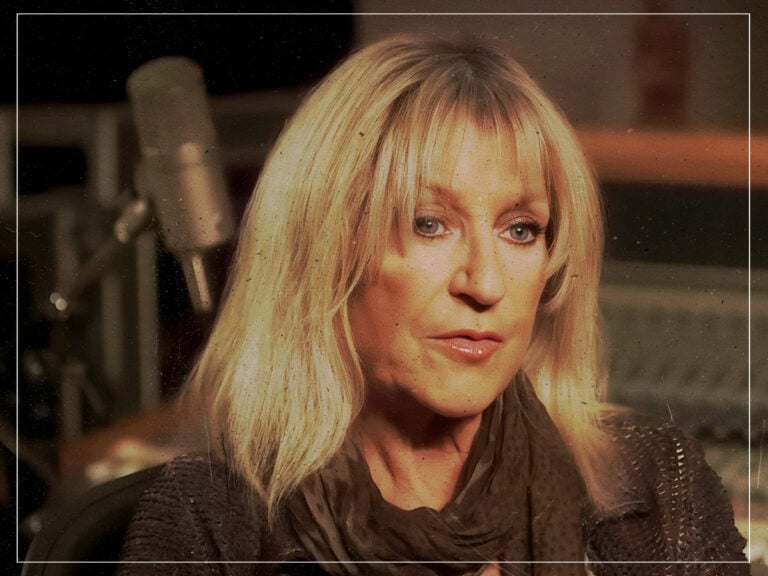
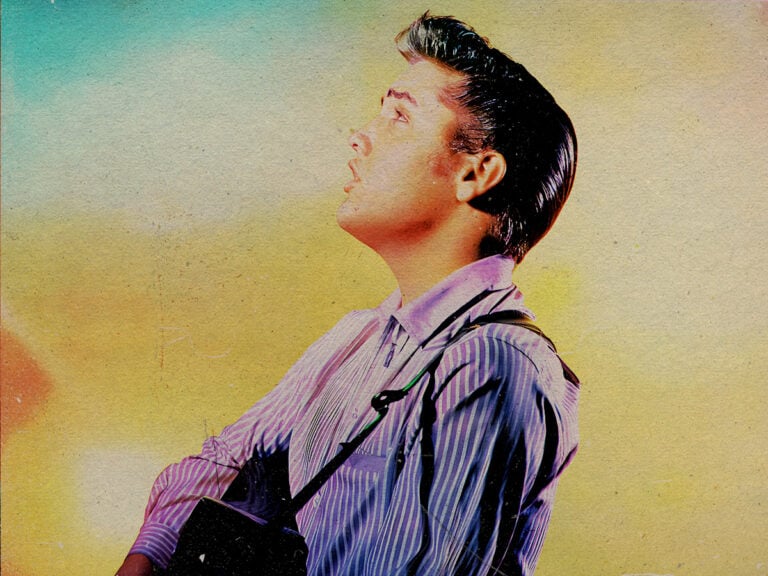
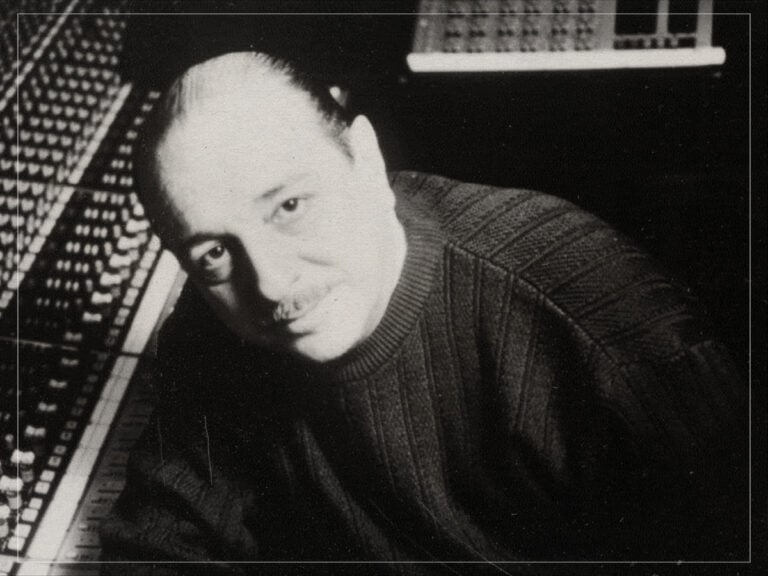
“I’d met Lindsey Buckingham, and he actually handed me the multi-track and said, ‘Do whatever you want’,” Arthur Baker recalled, “So I did, but I used a lot of Stevie Nicks’ vocals. I hadn’t realised that on the album version, her voice wasn’t used at all. When Lindsey heard it, he said, ‘No, no, this is my song, not her song’. I had to take her out of the main vocal mix. He didn’t mind that I’d changed the bassline, but he did mind Stevie singing on it.”
Unsurprisingly, it wasn’t until ten years later that the band performed it live. After leaving the band and returning to The Dance tour, Buckingham gave a full-blooded rendition of the song, including the primal screams that were responded to by Nicks. In that, he realised that her role in the song is just as important as his, because, as always with the pair, the story of their relationship, both creative and personal, can’t be told by just one voice.

Never Miss A Tale
The Far Out Classic Rock Newsletter
All the latest Classic Rock content from the independent voice of culture.
Straight to your inbox.